
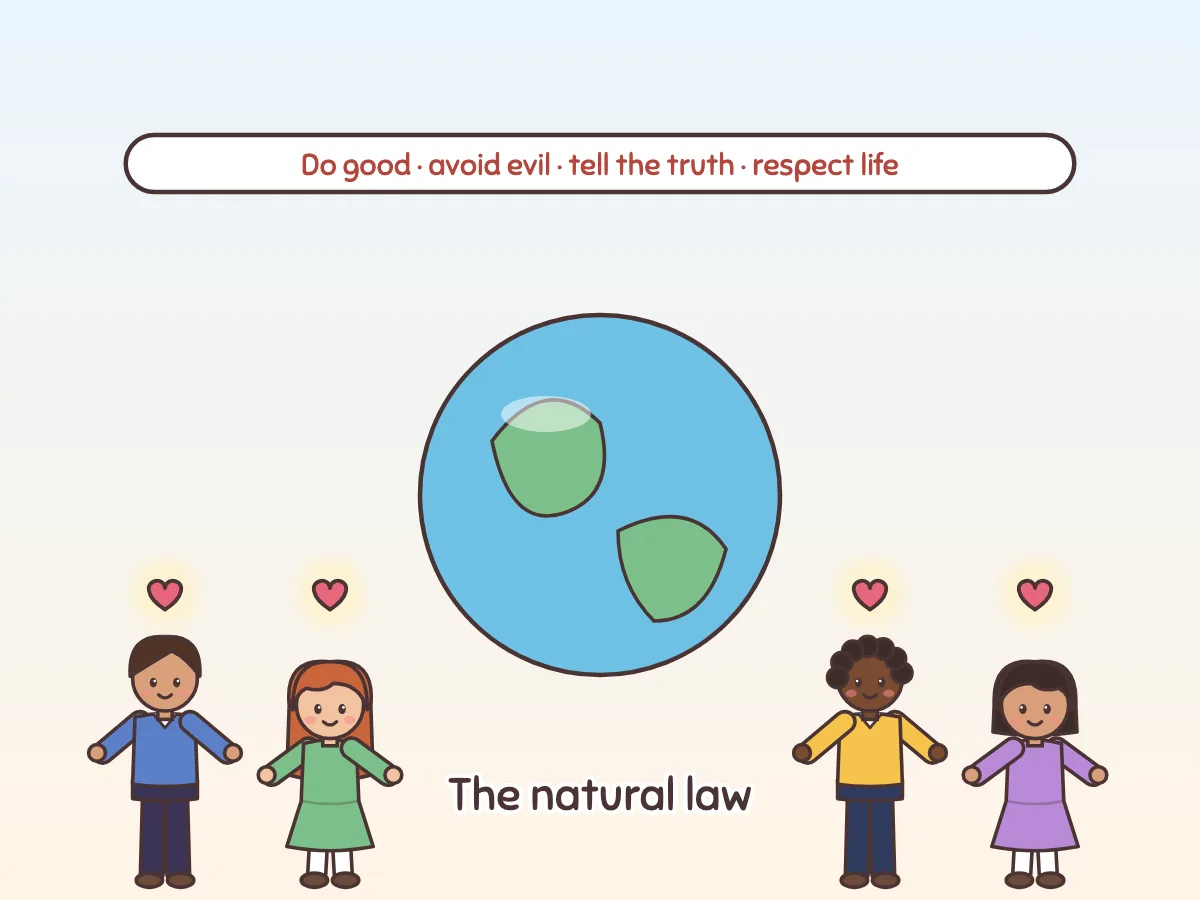
God's law is not a set of random restrictions; it is like the maker's instructions for a human being. The natural law is the moral sense written on every human heart and known by reason: do good, avoid evil, respect life, tell the truth. It is the same for all people in every age, and it is the foundation of human rights.
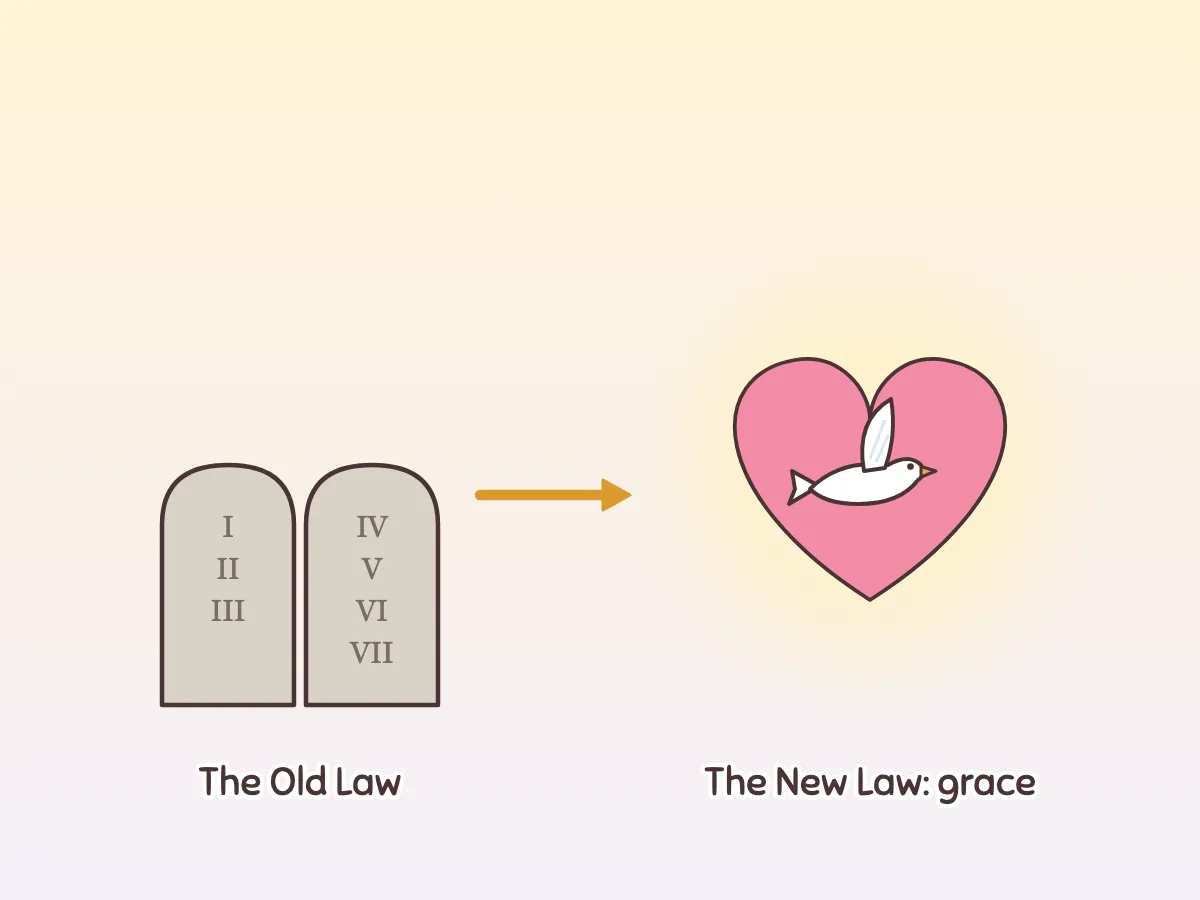
God also revealed His law. The Old Law, summed up in the Ten Commandments, prepared the way. The New Law, the law of the Gospel, is the grace of the Holy Spirit given through faith in Christ, expressed in the Sermon on the Mount and lived through the sacraments. It does not just tell us what to do; it gives us the power to do it.
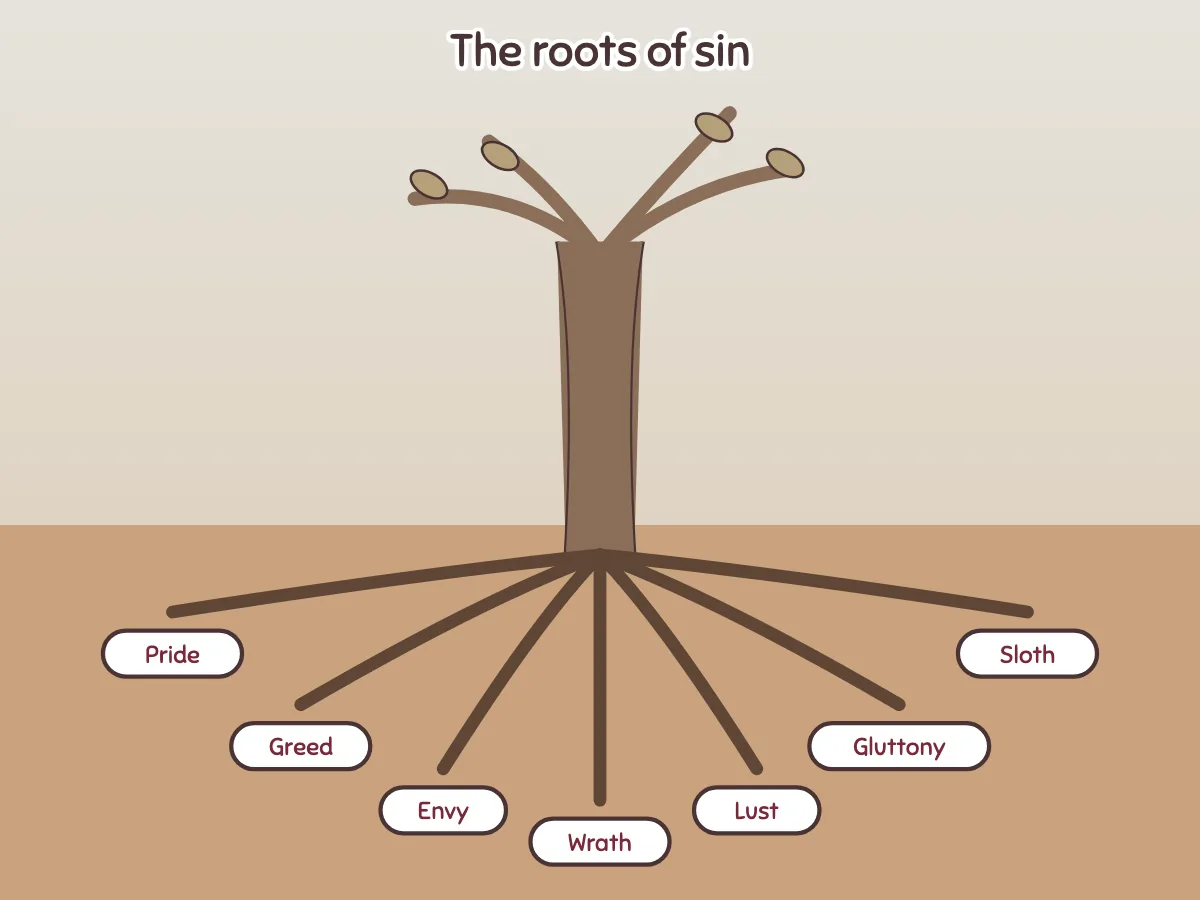
Sin is an offense against God and a failure to truly love God and neighbor. It wounds our nature and our relationships. The Church names seven capital sins, called capital because other sins grow from them like branches from a root:
- Pride
- Greed
- Envy
- Wrath
- Lust
- Gluttony
- Sloth (laziness about the things of God)
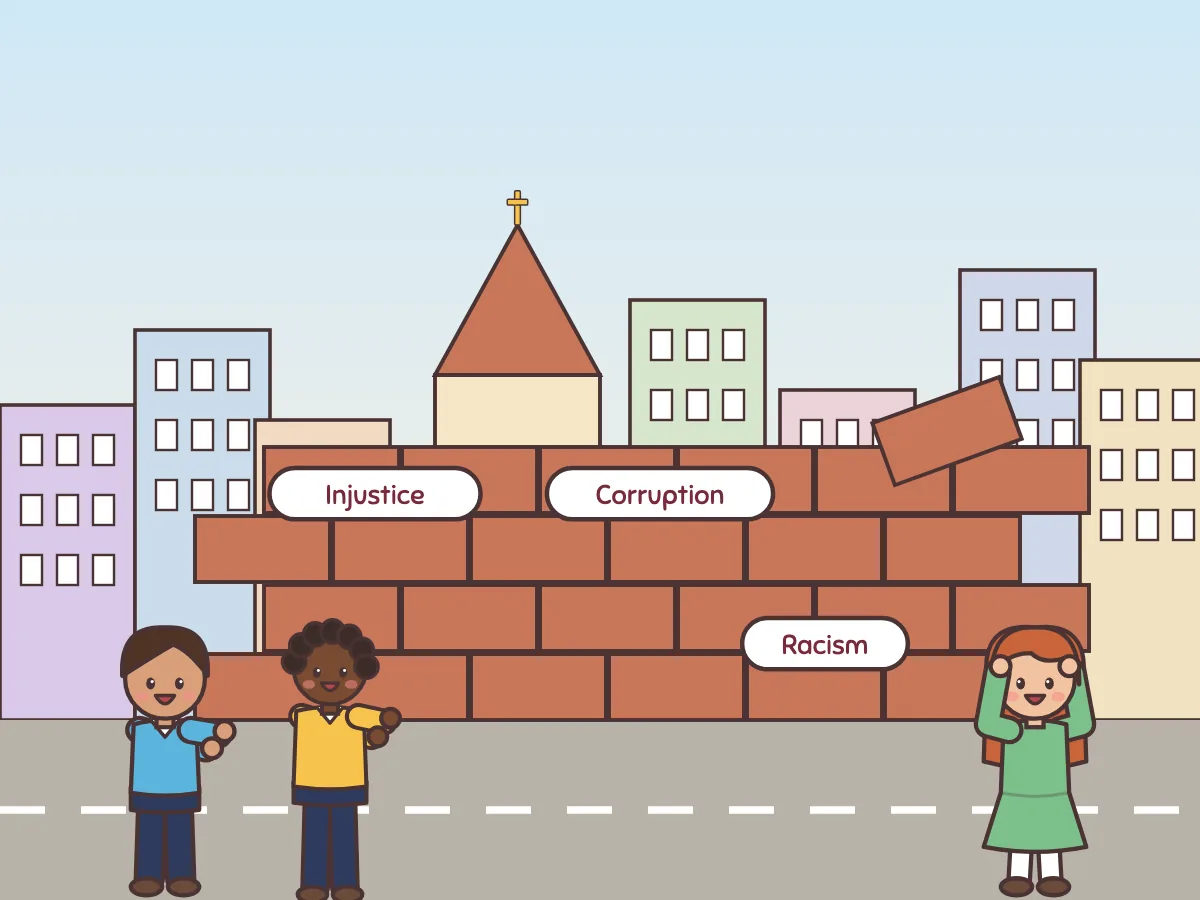
Sin is personal, but it also has a social side. When many people's sins pile up, they create structures of sin: unjust systems such as corruption, racism or exploitation, which make it easier to do wrong and harder to do right. Christians are called to repent of personal sin and also to work to change unjust structures.
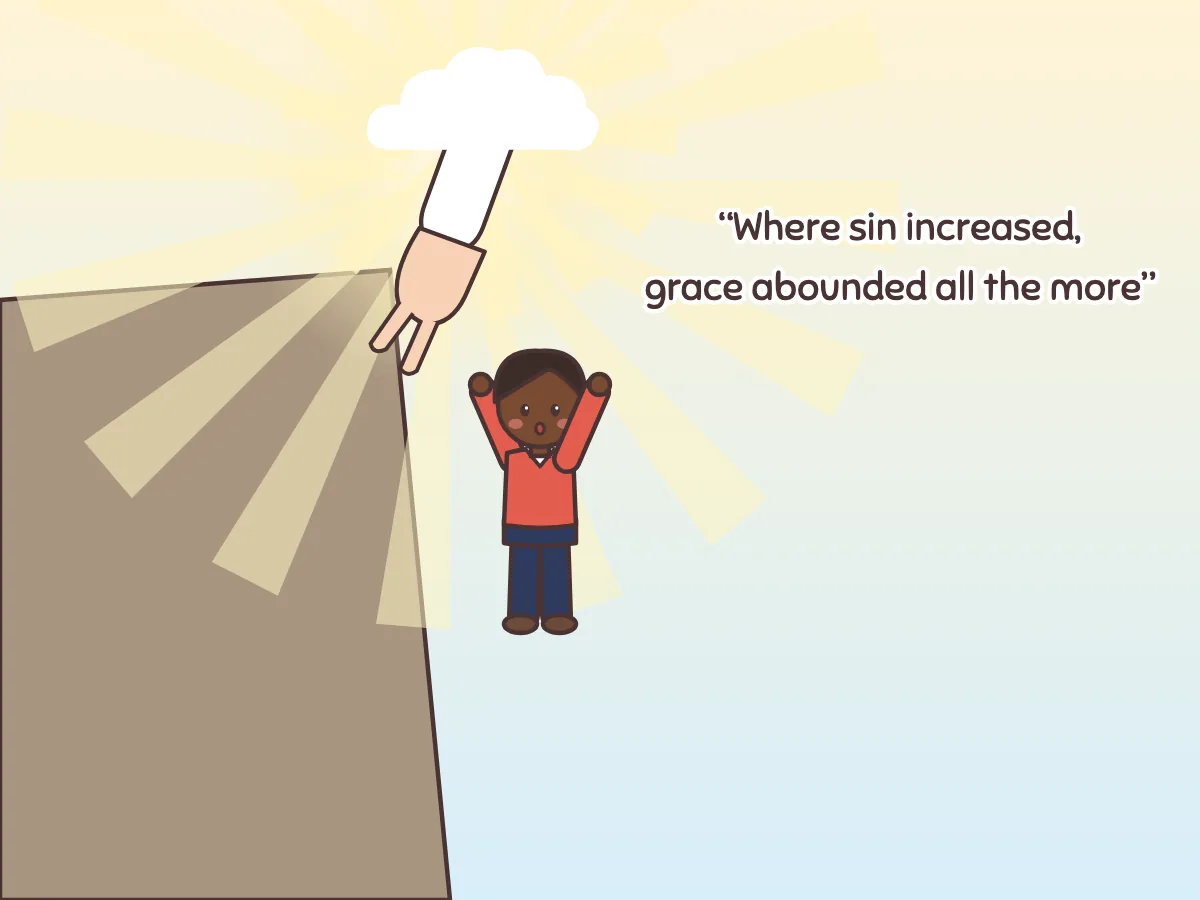
Saint Paul wrote, “I do not do the good I want, but the evil I do not want is what I do.” We cannot save ourselves by trying harder. Grace is God's free gift: a share in His own life that heals us and makes us holy. Sanctifying grace, received in Baptism, makes us God's children; actual graces are His help in particular moments. “Where sin increased, grace abounded all the more.”

We are saved by grace through faith, not by our own efforts. Yet grace asks for our free cooperation: “We are his workmanship, created in Christ Jesus for good works.” God's grace and our freedom work together, like wind and a sail. The saints are not people who never fell, but people who kept letting grace lift them up.