
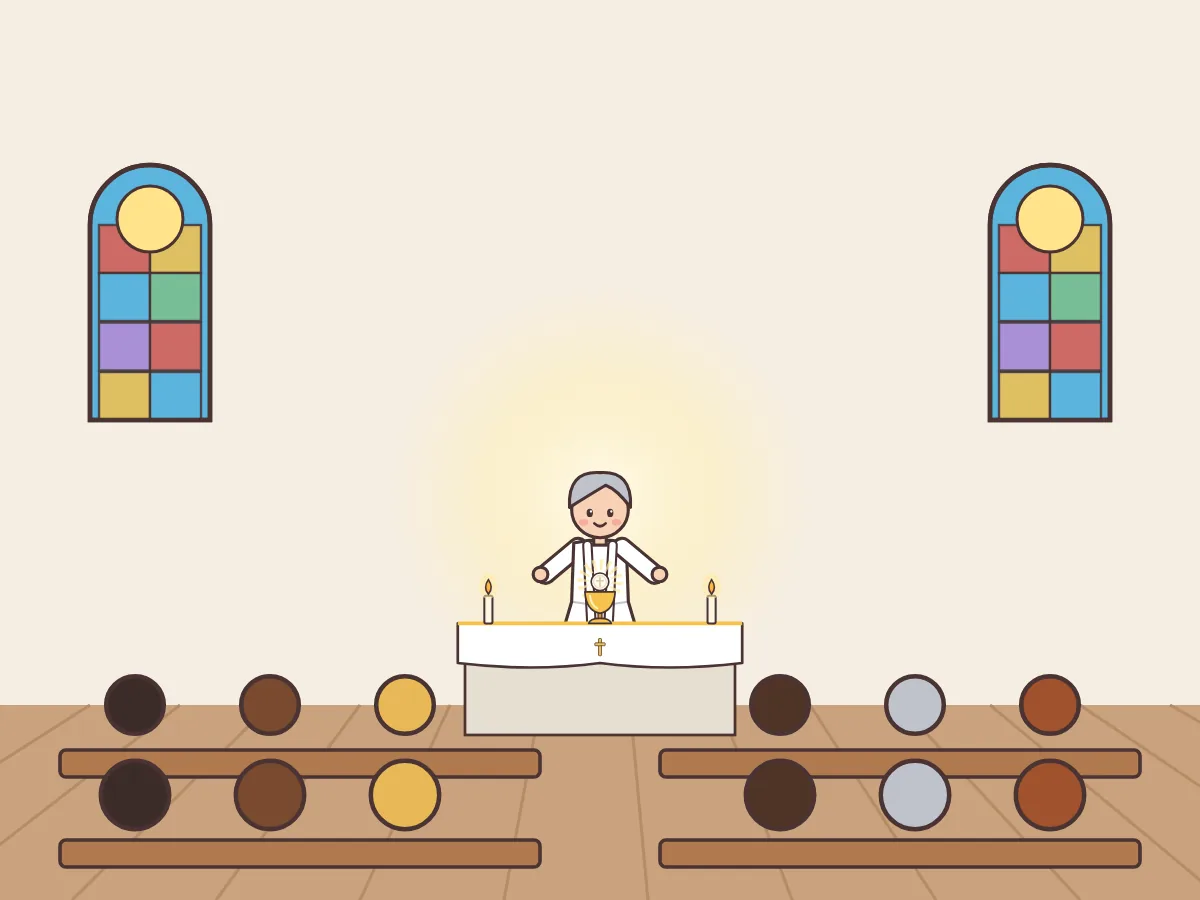
“Liturgy” comes from a Greek word meaning “public work” or “work done for the people.” In the Church it means the work of God: Christ's own action, in which His people join. The liturgy is not first something we do for God; first of all, it is God acting for us.
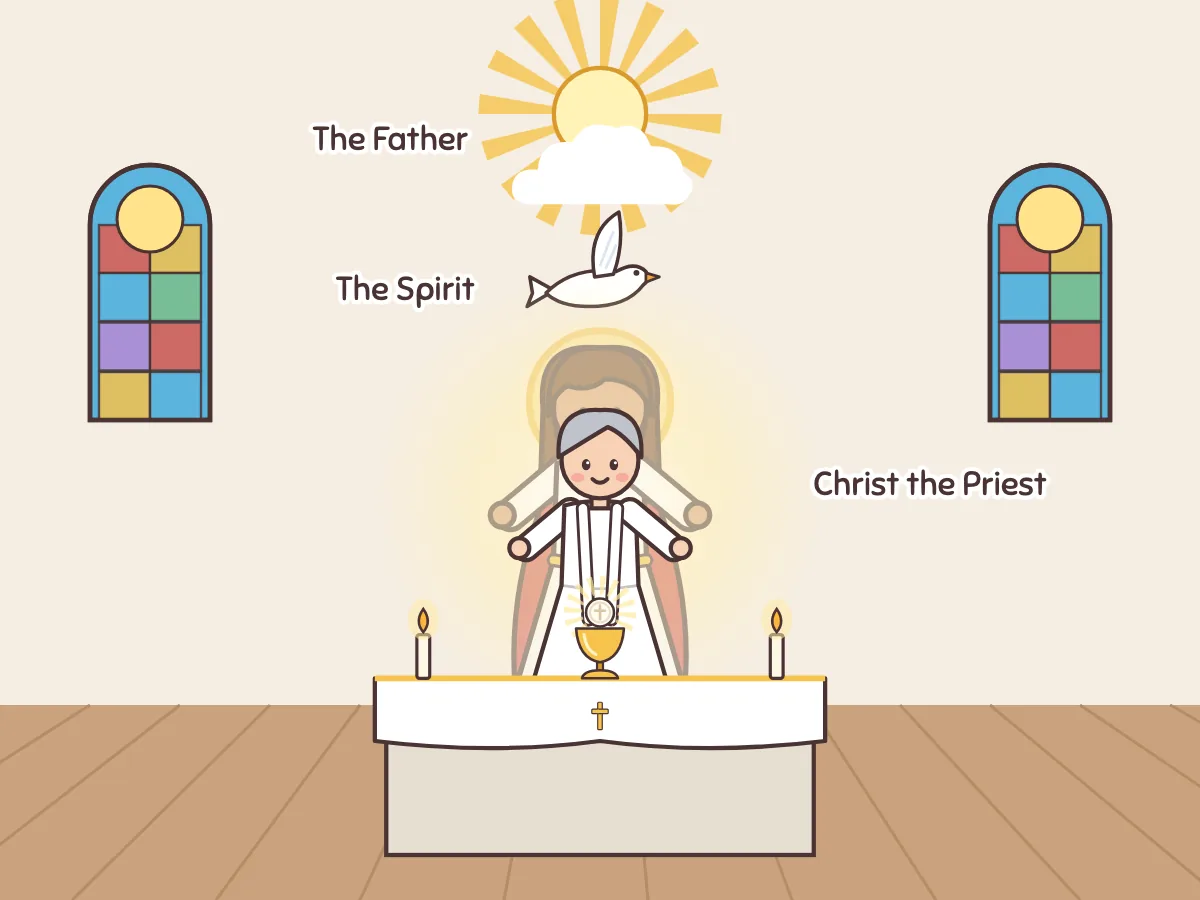
Every liturgy is a work of the Trinity. We worship the Father, the source of every blessing. Christ, our High Priest, acts in the sacraments and makes His one saving sacrifice present. The Holy Spirit prepares our hearts, reminds us of Christ and makes His work present by His power.
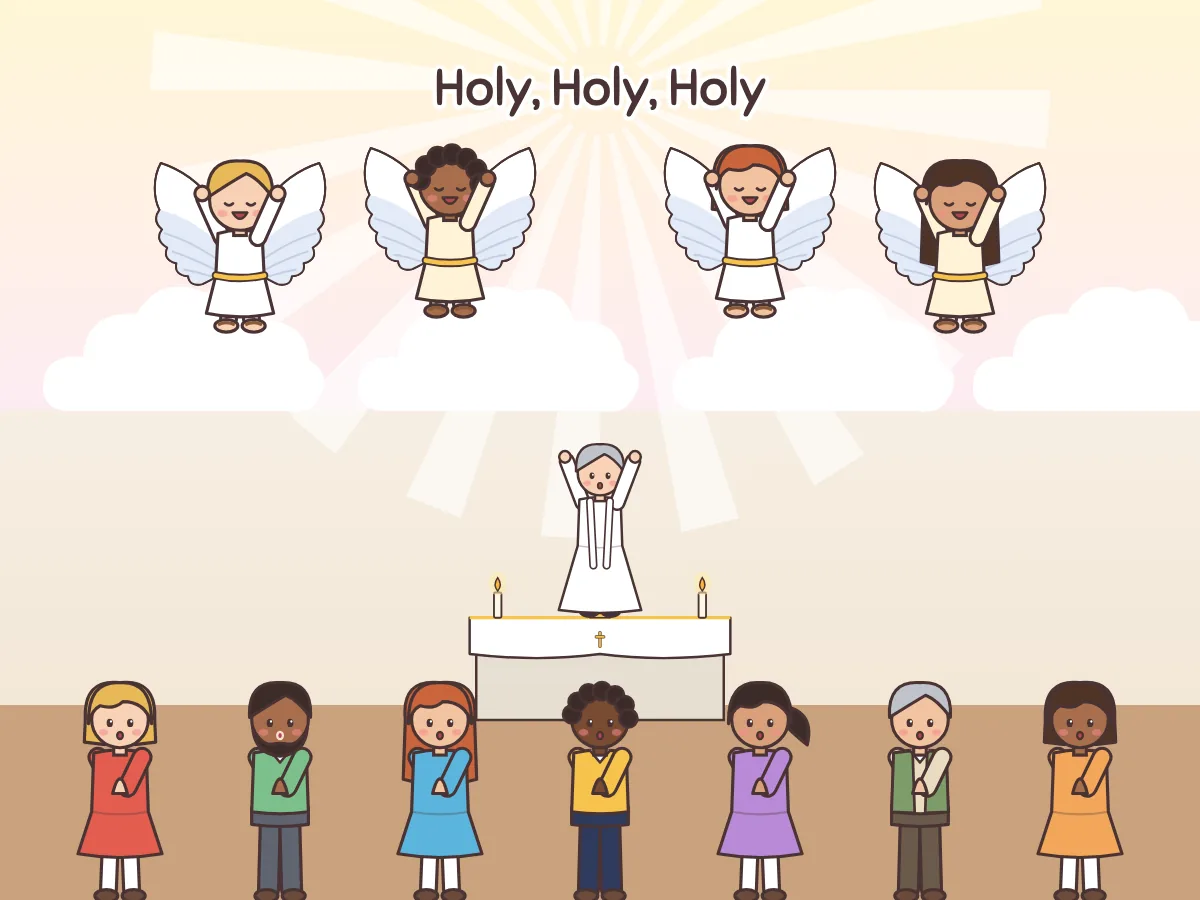
The liturgy on earth is a share in the liturgy of heaven. The Book of Revelation shows angels and saints worshiping God without end. At every Mass, when we sing “Holy, Holy, Holy,” we join their song. Heaven and earth meet.
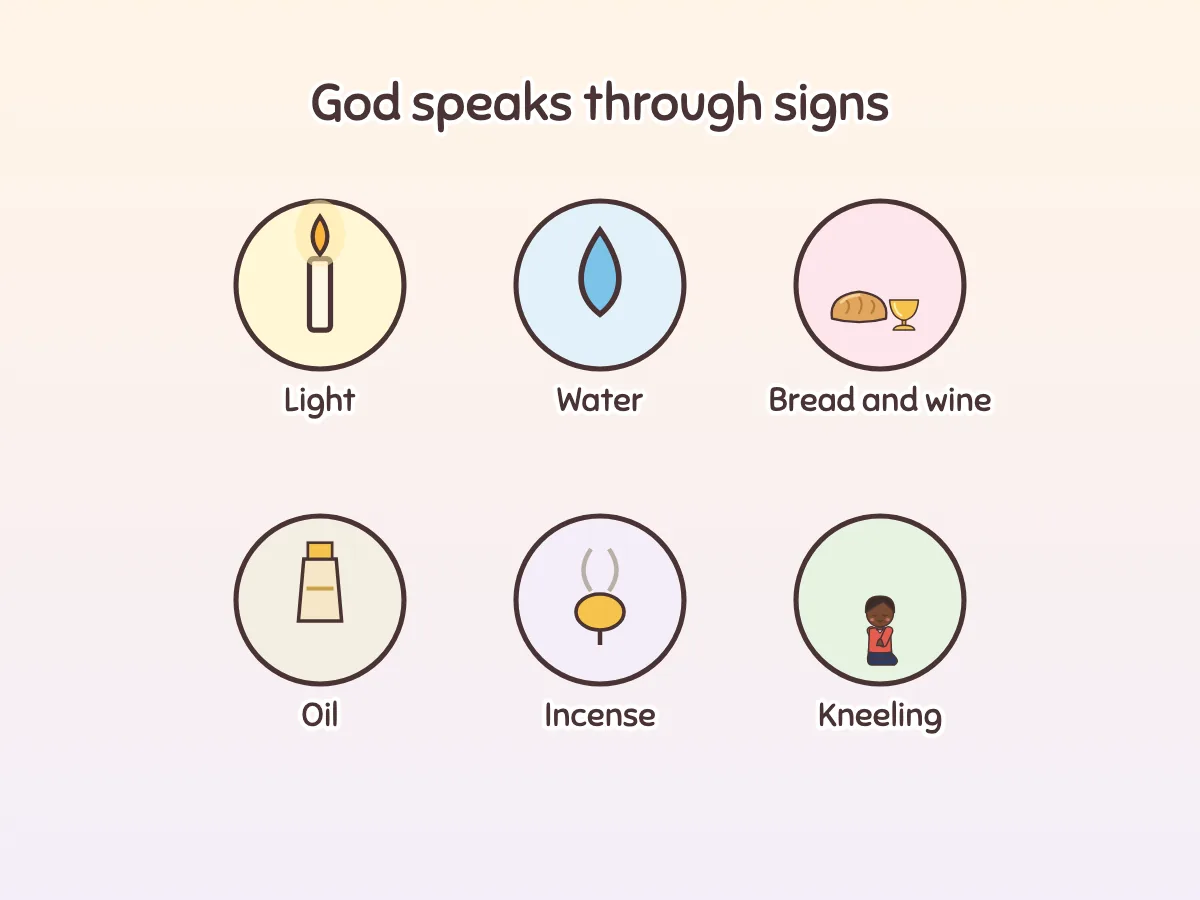
God uses signs we can see and touch, because we are body and soul. Light and darkness, water, fire, bread and wine, oil, kneeling and standing, colors and music all speak. The sacraments are the most powerful signs of all: they really bring about what they show. They act ex opere operato, “by the work done,” through the power of Christ, not because of the minister's holiness.
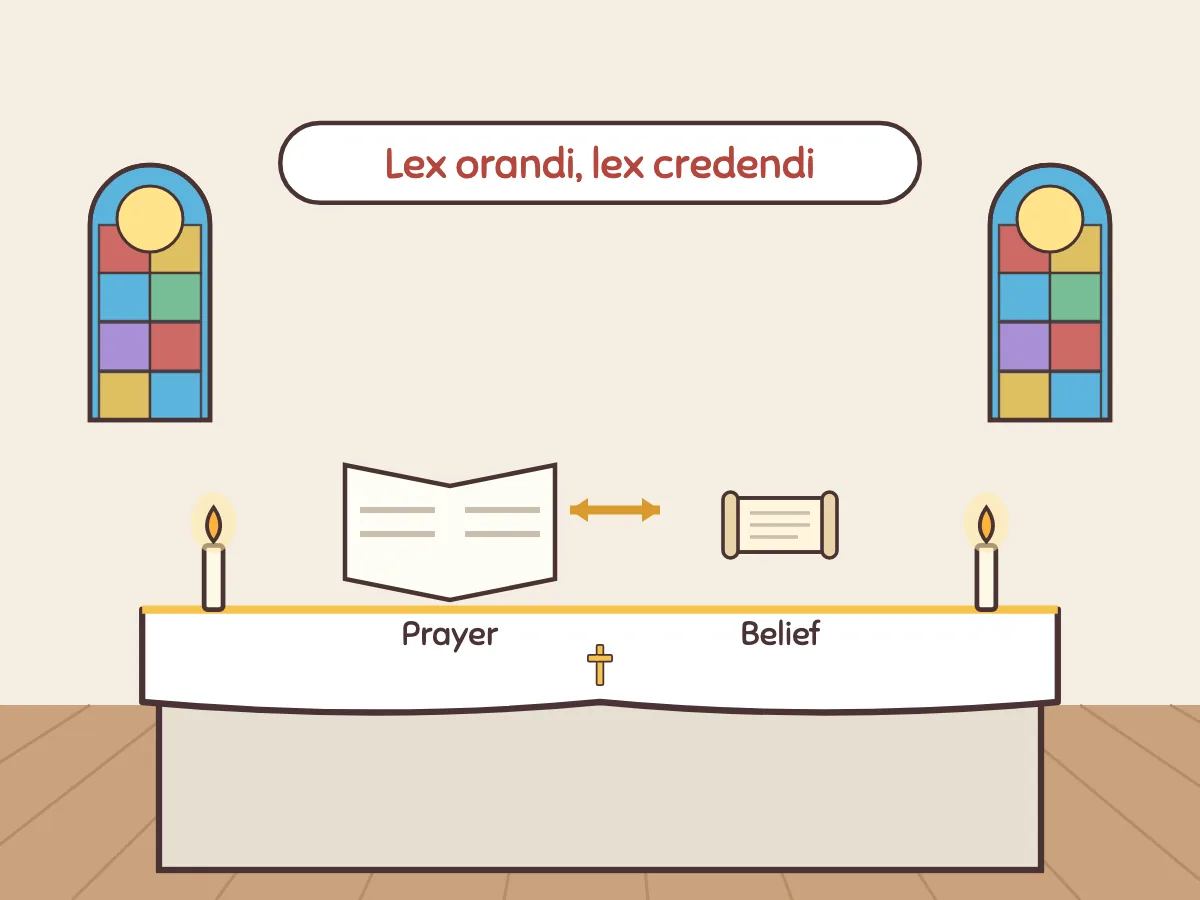
The Church has a saying: lex orandi, lex credendi, “the law of prayer is the law of belief.” How we worship shows what we believe, and what we believe shapes how we worship. That is why the Church cares for the liturgy so carefully: it belongs to the whole Church, not to any one person or group.
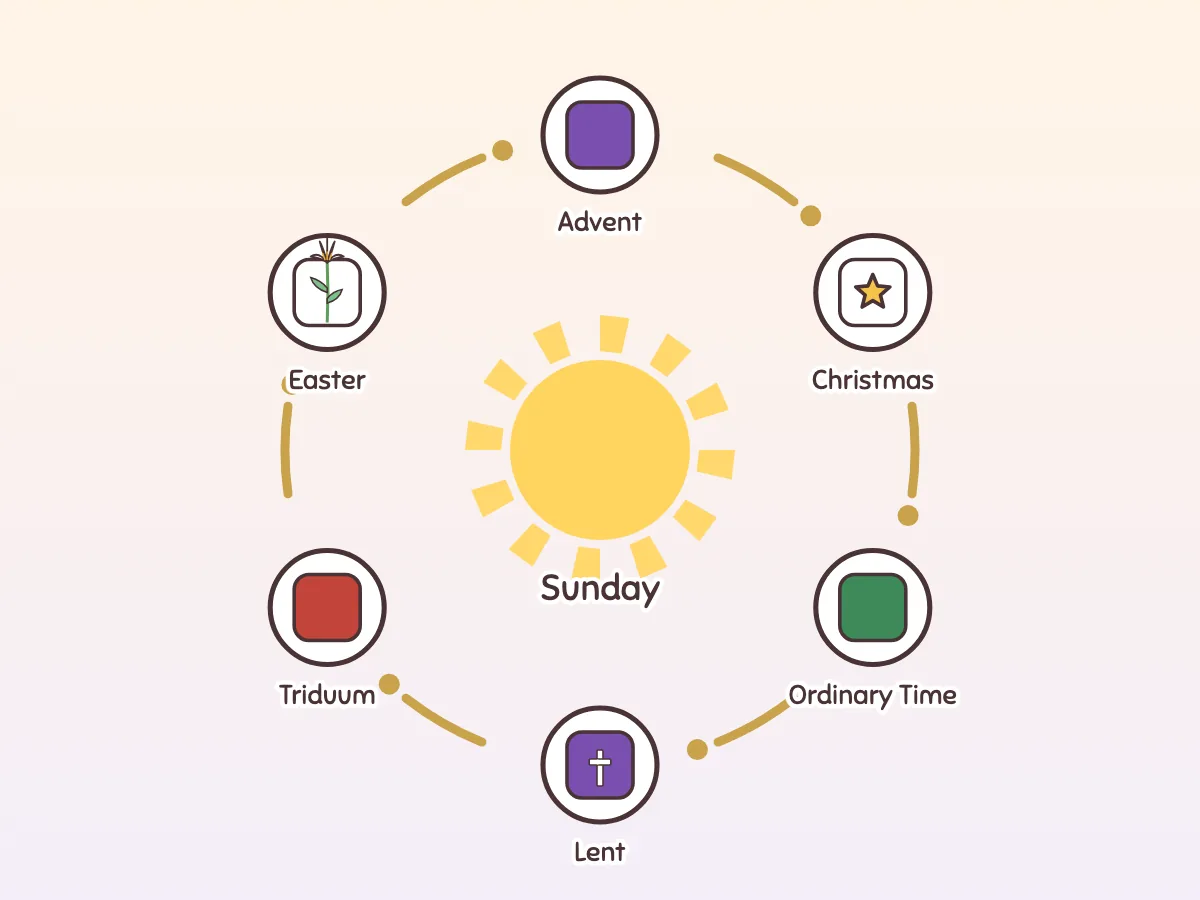
The liturgy also makes time holy. Sunday, the Lord's Day, is the heart of the week and the first day of the new creation. The liturgical year walks through the mysteries of Christ, and the Liturgy of the Hours makes each day holy. Taking part “fully, consciously and actively” means praying with heart, voice and attention, not just being in the room.