Sacraments of Healing

In Reconciliation and the Anointing of the Sick, Christ the physician forgives our sins and strengthens us in illness.

Celebrate 15 minutes CCC 1420–1532

Read the story

Reading voice

Speed

Hello! I will read the story to you.

Voices come from your device. If one sounds odd, choose another.

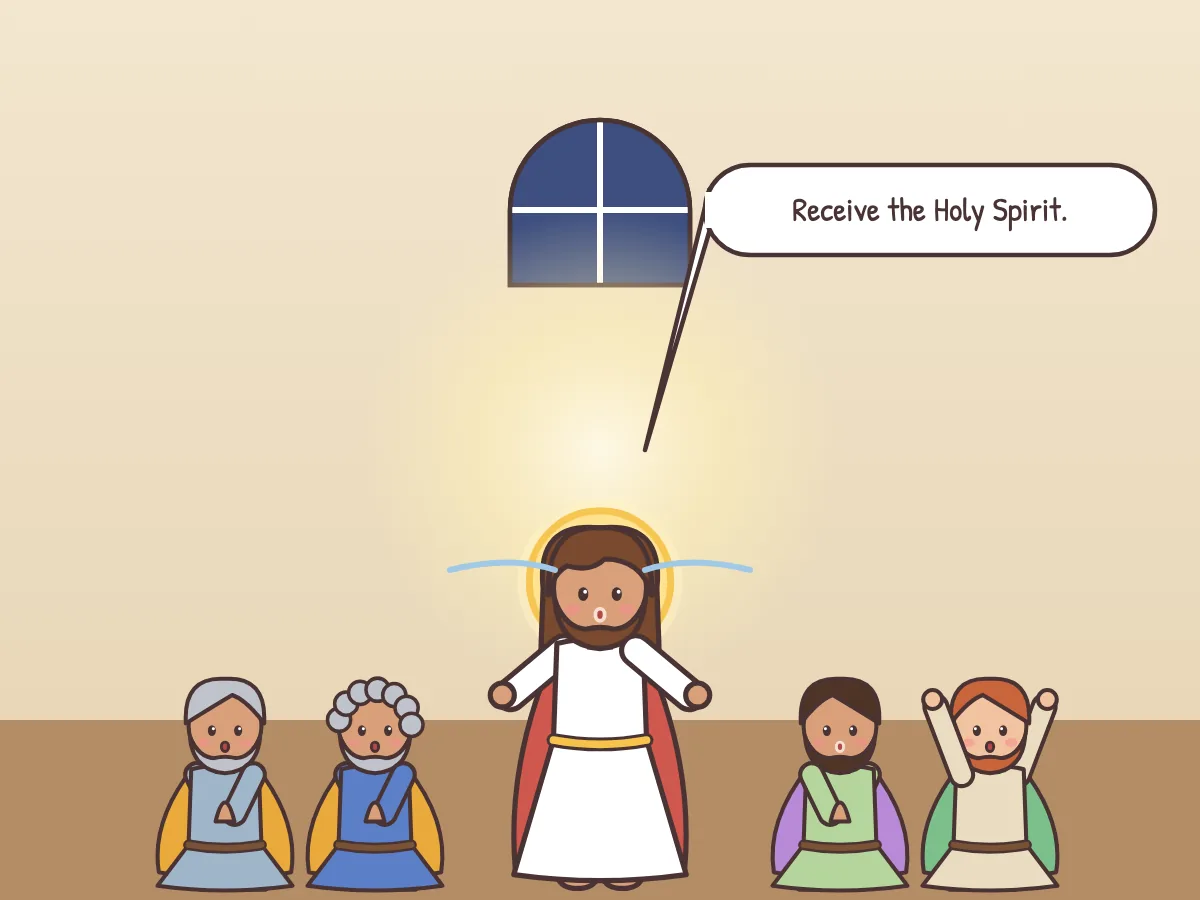
The risen Jesus breathing on the apostles in the upper room: “Receive the Holy Spirit. If you forgive the sins of any, they are forgiven.”

On Easter evening the risen Jesus breathed on the apostles and said, “Receive the Holy Spirit. If you forgive the sins of any, they are forgiven.” Only God can forgive sins, but Christ chose to share this power with His priests. This sacrament is called Reconciliation, Penance, Confession and the sacrament of conversion.
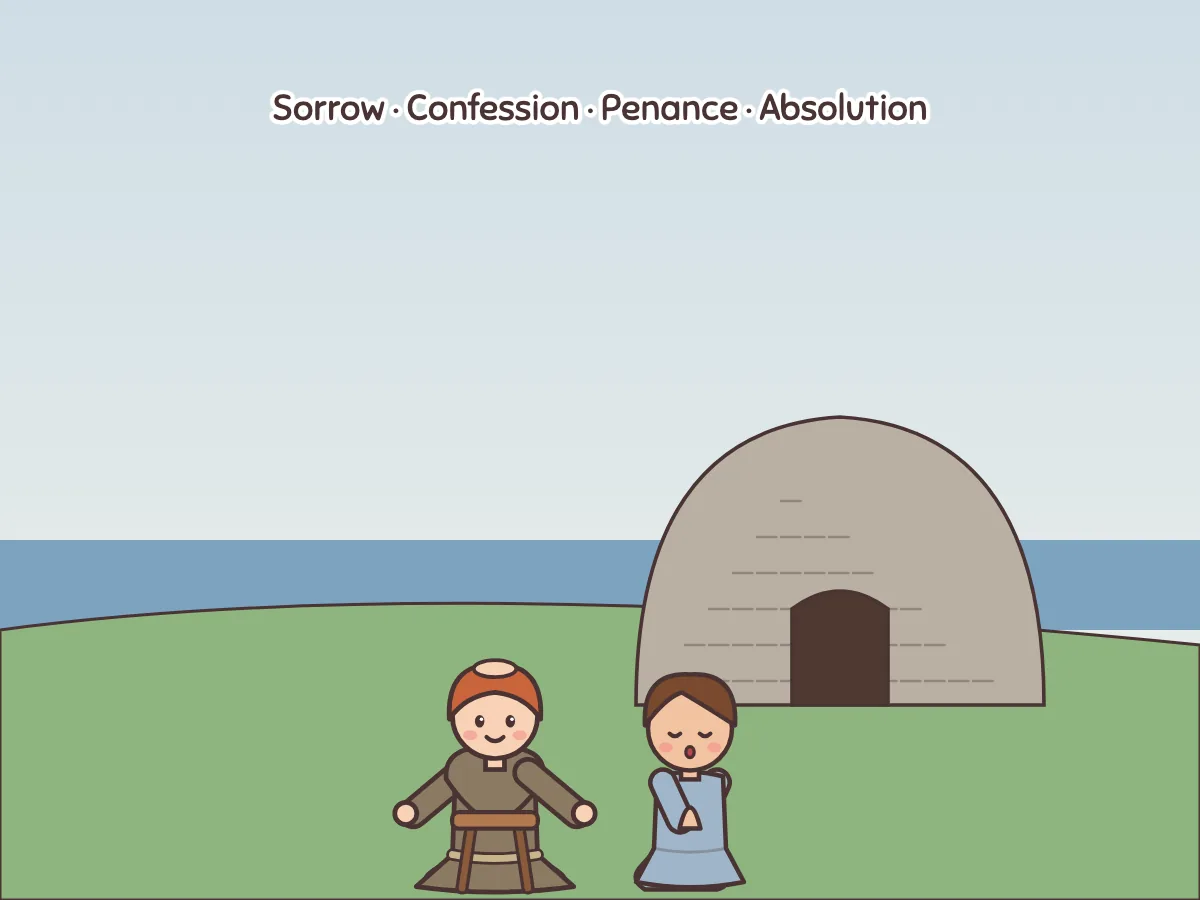
An Irish monk hearing a penitent's confession outside a stone beehive hut by the sea: private confession spread from the monasteries.

In the early Church, serious sins were confessed publicly, and penances could last for years. Over the centuries, partly through the influence of Irish monks, private confession became the norm, and the sacrament could be received often. Its heart has never changed: sorrow, confession, penance and absolution.
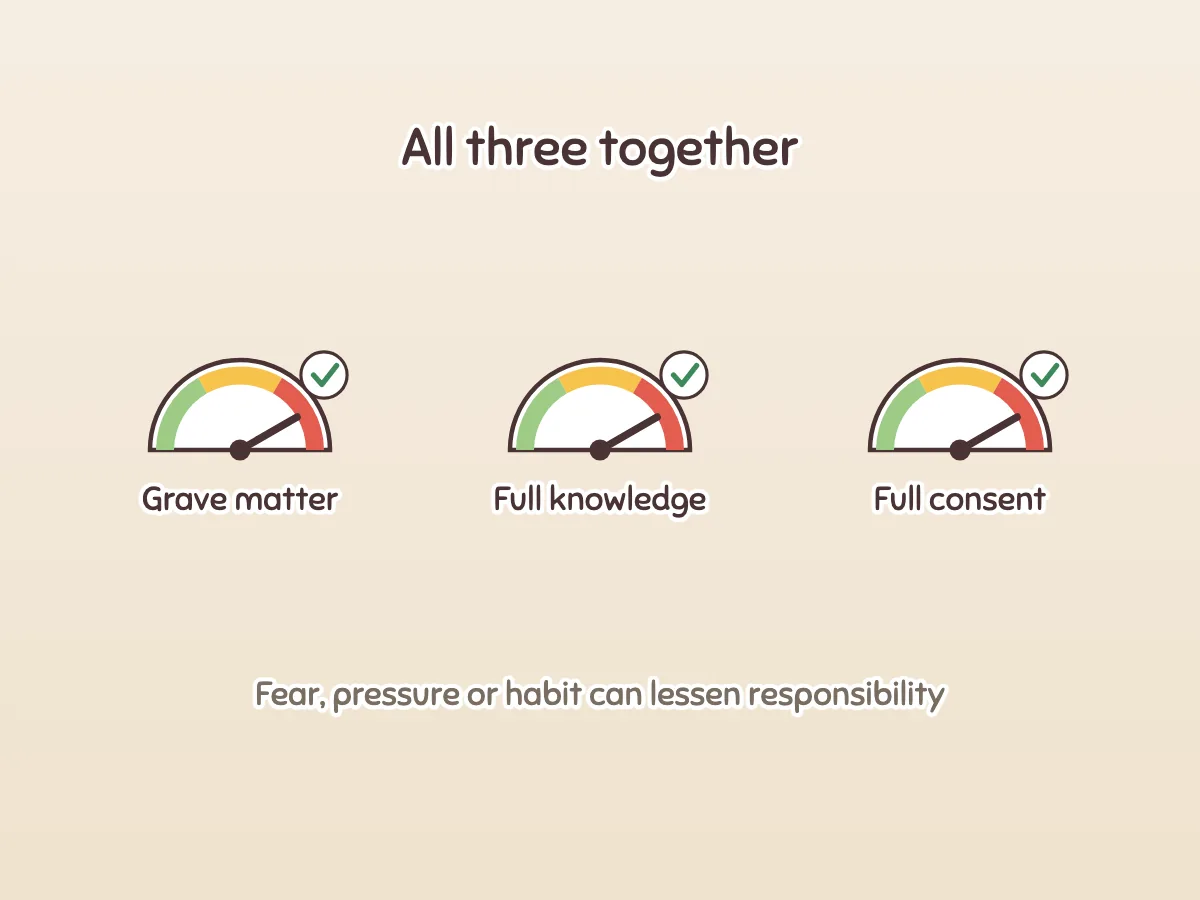
Three gauges for mortal sin, each needle in the red: grave matter, full knowledge and deliberate consent, which must all be present.

Mortal sin destroys charity in the heart. For a sin to be mortal, all three of these must be present:

  • Grave matter: a serious wrong, as spelled out by the Ten Commandments.
  • Full knowledge: knowing that it is seriously wrong.
  • Deliberate consent: choosing it freely.
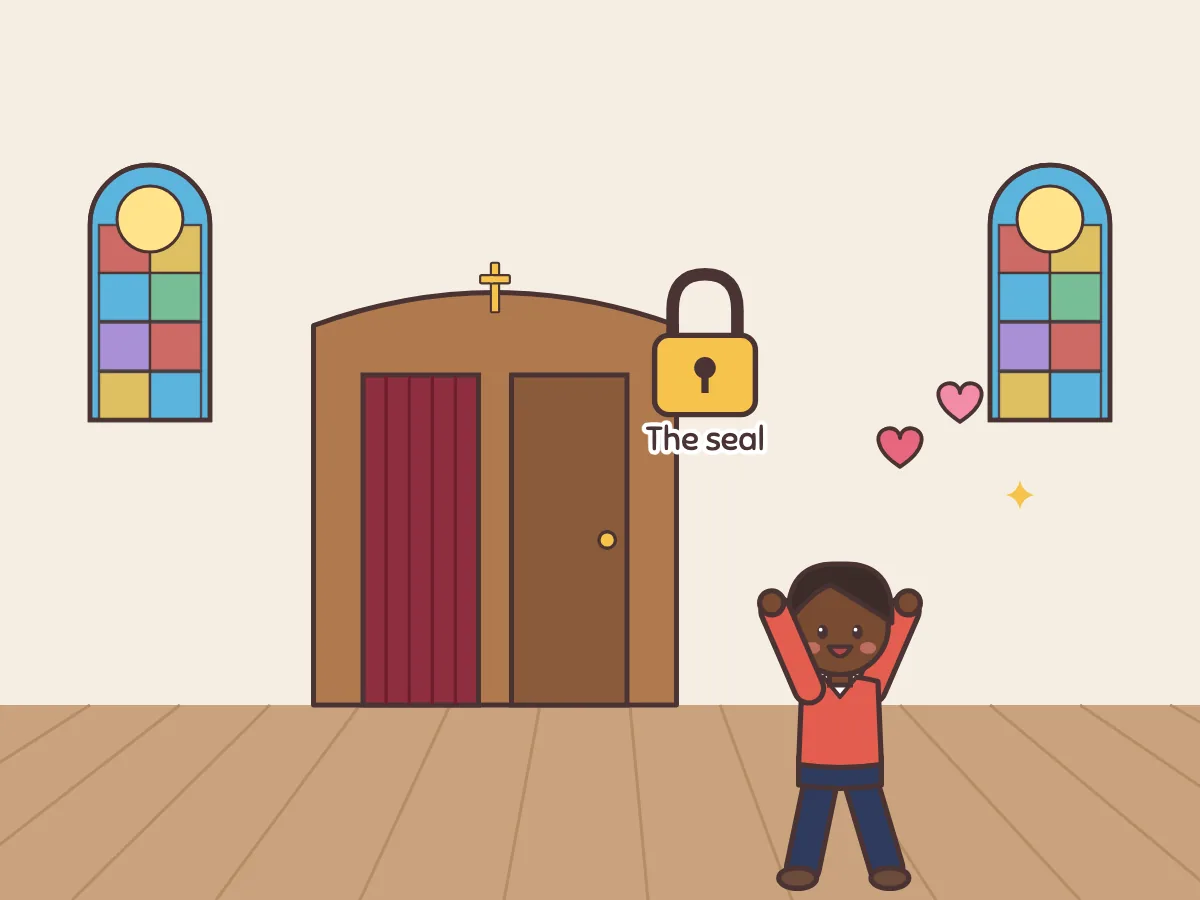
A teenager stepping out of the confessional smiling with a light heart, a padlock beside the door for the seal of confession.

Venial sin weakens charity without destroying it, and fear, pressure, habit or illness can lessen a person's responsibility. Confession brings real effects: reconciliation with God and the Church, freedom from eternal punishment, peace of conscience and strength for the journey. The priest is bound by the seal of confession: he may never reveal what he hears, even to save his own life, and some priests have died rather than break it.
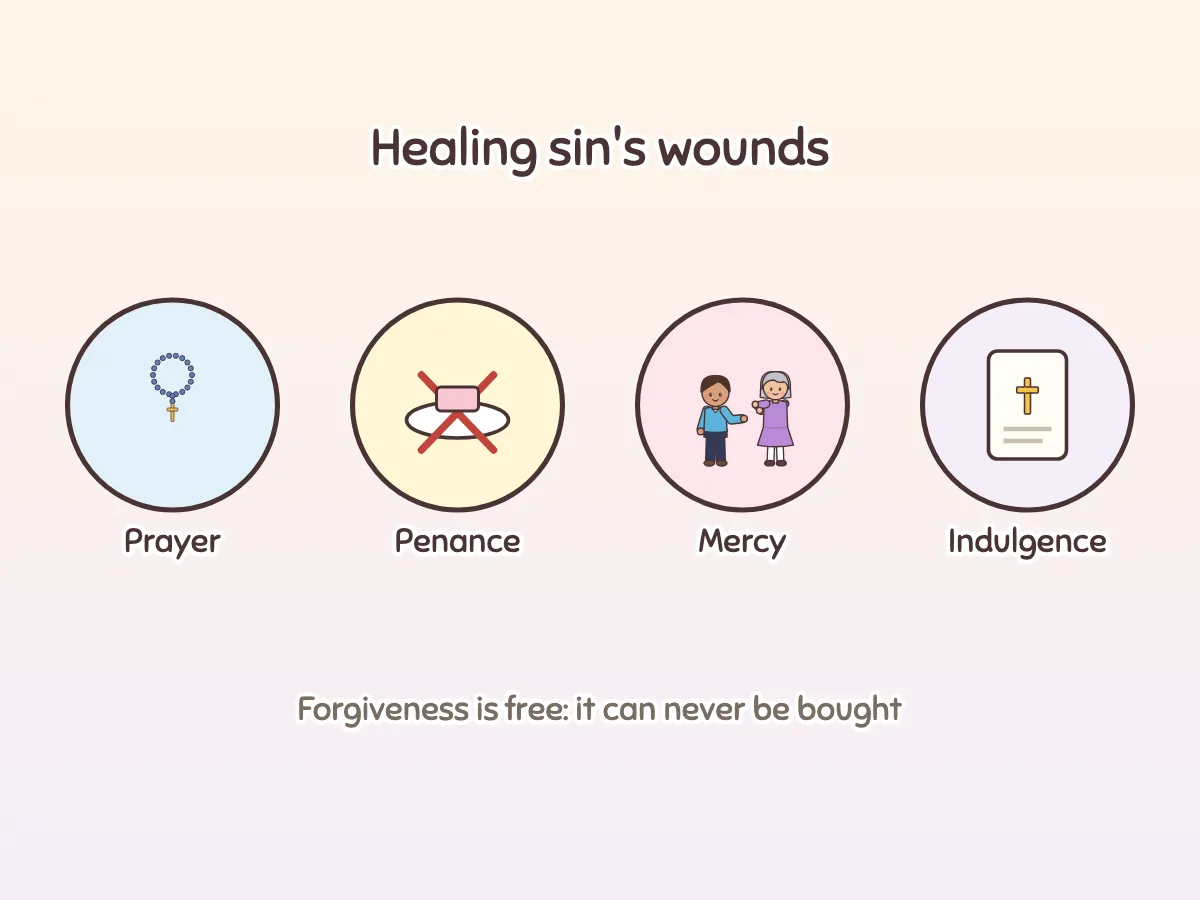
Four ways of healing the wounds sin leaves behind: prayer with a rosary, fasting from a treat, a work of mercy for an elderly neighbour, and an indulgence prayer card, freely given and never sold.

Even after forgiveness, sin leaves wounds and disorders that need healing, which the Church calls temporal punishment. Prayer, penance, works of mercy and indulgences help heal them. An indulgence is granted by the Church from the treasury of Christ's and the saints' merits; it does not forgive sin itself, and it can never be bought.
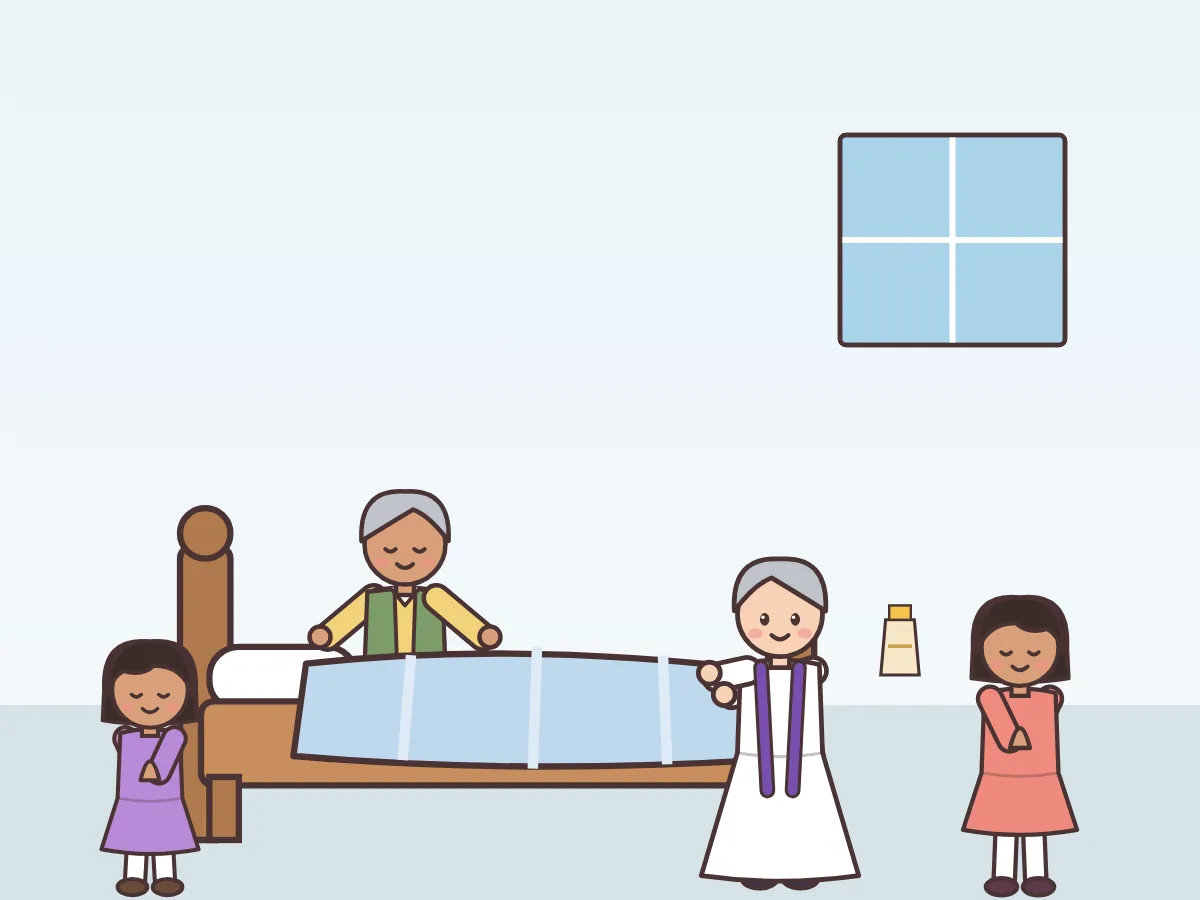
A priest anointing the hands of an elderly man in a hospital bed while his family prays beside him.

The Anointing of the Sick is for anyone in danger because of serious illness or old age. The priest lays hands on the sick person and anoints the forehead and hands with blessed oil. It gives strength, peace and courage, unites suffering with Christ's Passion, forgives sins if the person cannot confess, sometimes restores health, and prepares the person for eternal life. It can be received more than once.

Catechism: CCC 1420–1532Scripture: John 20:21–23 · Luke 15:11–32 · James 5:14–16

Words to know

Tap a card to flip it
Keep this in your heart
Christ heals body and soul: no sin is greater than His mercy.

Say it out loud three times. Tap a circle each time!

Quiz

  1. When did Jesus give the apostles the power to forgive sins?
    Answer: On Easter evening, when He breathed on them
  2. What three conditions make a sin mortal?
    Answer: Grave matter, full knowledge and deliberate consent
  3. What is the seal of confession?
    Answer: The priest may never reveal what is confessed
  4. Can an indulgence be bought?
    Answer: No, never
  5. Who can receive the Anointing of the Sick?
    Answer: Anyone in danger from serious illness or old age

Pray & do

O my God, I am heartily sorry for having offended You, and I detest all my sins because of Your just punishments, but most of all because they offend You, my God, who are all-good and deserving of all my love. I firmly resolve, with the help of Your grace, to sin no more and to avoid the near occasions of sin. Amen.

Activity

Write a thorough examination of conscience for someone your age, based on the Ten Commandments and the Beatitudes. Use it to prepare for your next confession.

Family corner

Plan a family trip to Confession this month and celebrate together afterward. Talk about why going regularly, and not only when we feel terrible, helps us grow.

Lesson complete!

Today's big idea: In Reconciliation and the Anointing of the Sick, Christ the physician forgives our sins and strengthens us in illness.