Freedom and the Moral Life

Made in God's image and called to happiness, we use freedom well by choosing the good; an act's morality depends on its object, intention and circumstances.

Live 15 minutes CCC 1700–1775

Read the story

Reading voice

Speed

Hello! I will read the story to you.

Voices come from your device. If one sounds odd, choose another.

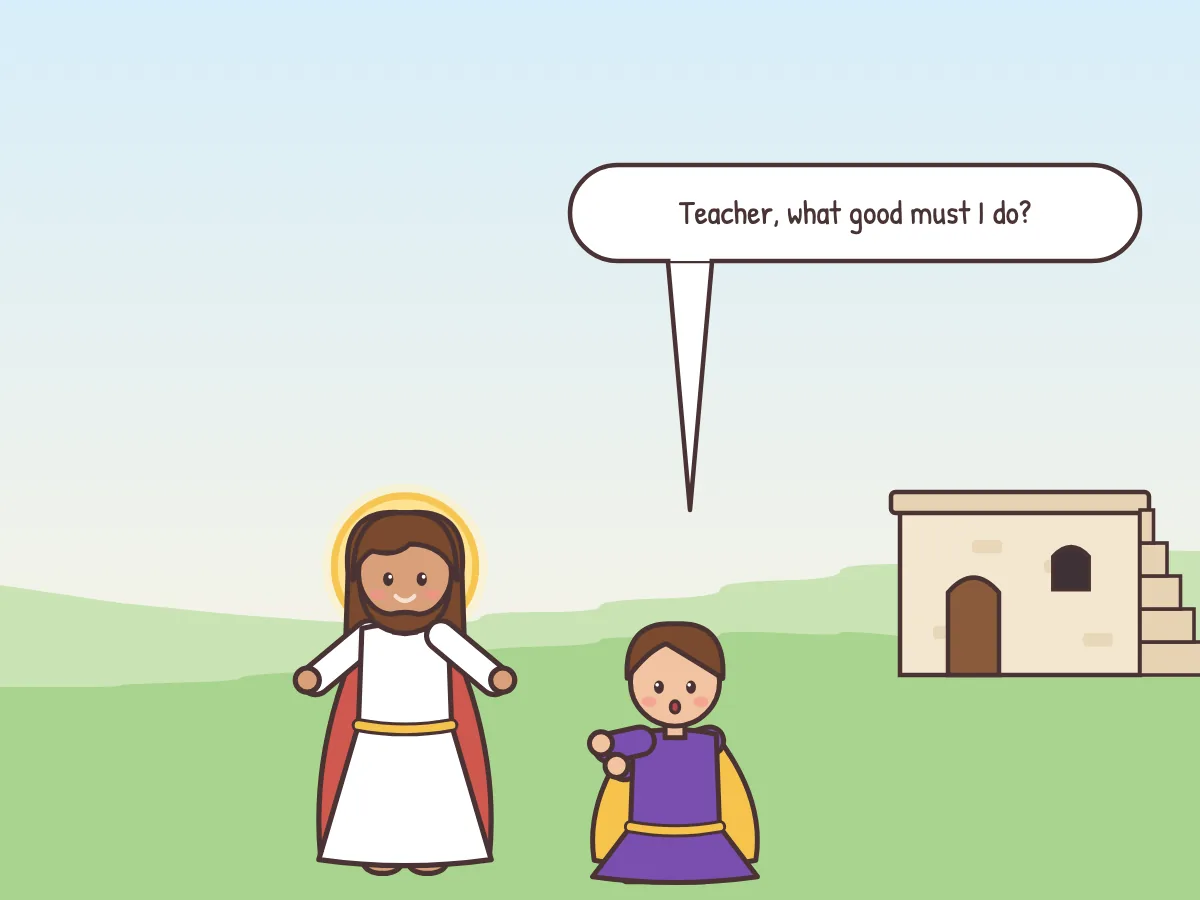
A rich young man in fine robes kneeling before Jesus to ask, “Teacher, what good must I do to have eternal life?”

A rich young man asked Jesus, “Teacher, what good deed must I do to have eternal life?” Every moral question is really this question: How do I live a good and happy life? The Christian moral life is not first a list of rules, but a response to God's love and the path to the happiness we were made for.
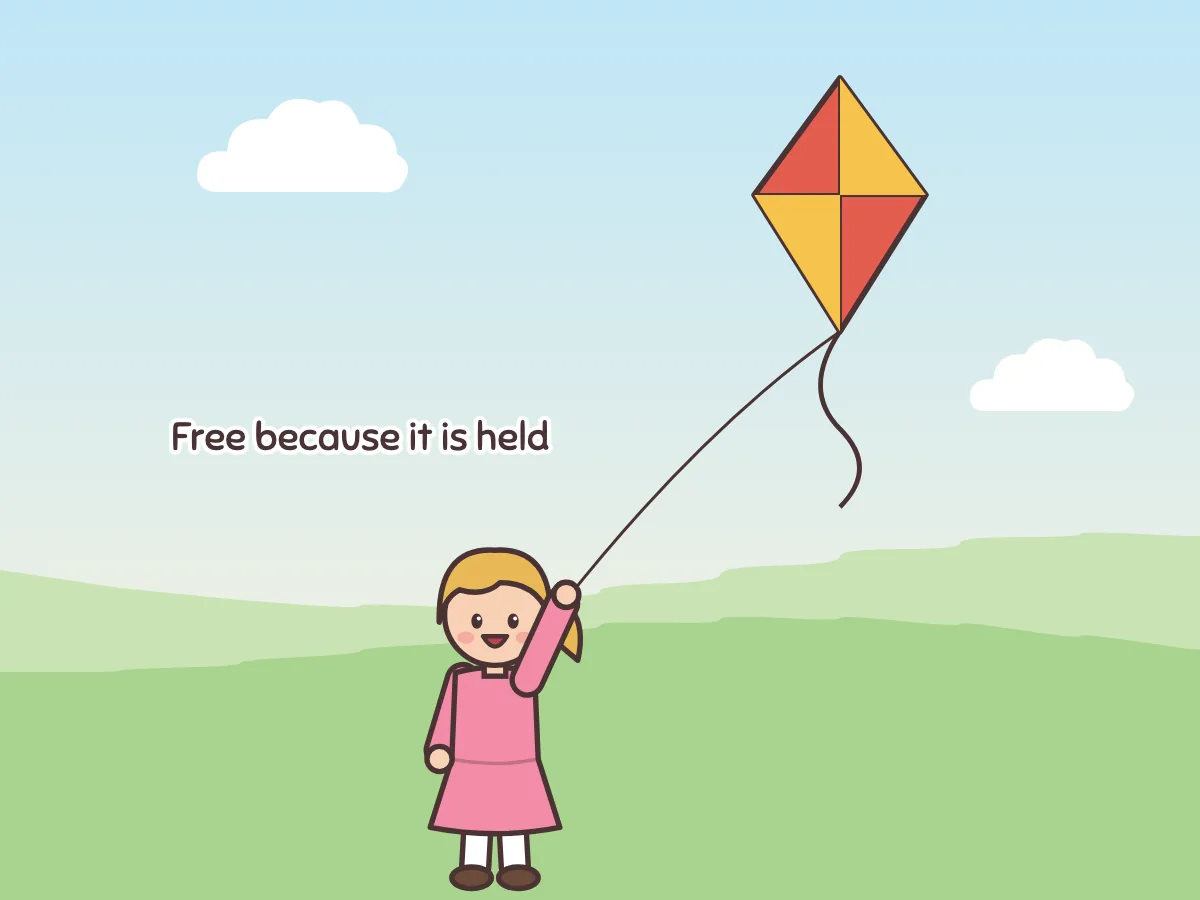
A girl flying a kite high in the sky, the kite soaring because it is held by its string: true freedom is freedom for the good.

Our dignity comes from being made in God's image, with reason and free will. Freedom is the power to act on purpose and to shape our own lives. But freedom is not just doing whatever we want. A kite flies because it is held by its string: true freedom is the power to choose the good, and the more we choose the good, the freer we become. Sin makes us slaves.
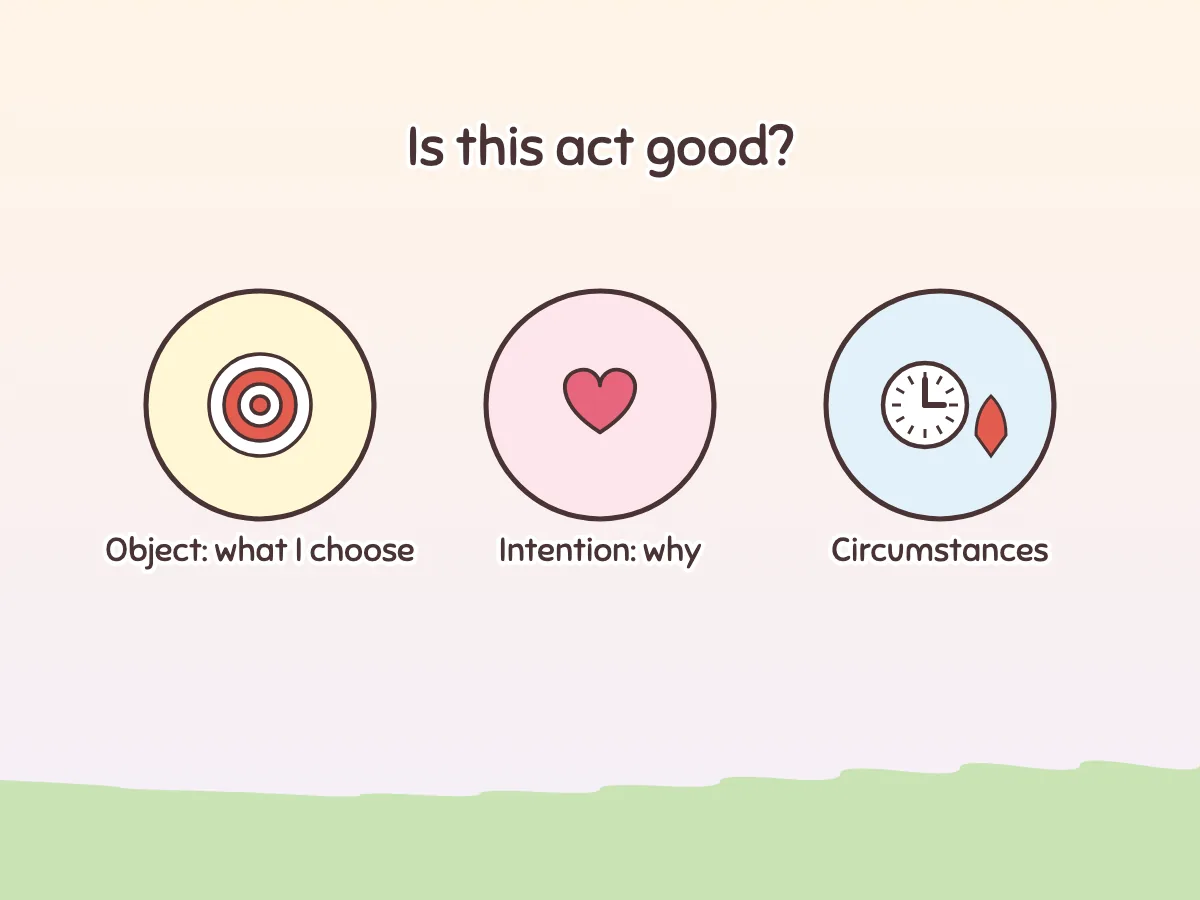
Three circles for the three sources of morality: a target for the object of the act, a heart for the intention, and a clock and map pin for the circumstances.

Every free act can be judged by three sources:

  • The object: what is actually chosen. Some acts, such as murder or lying, are always wrong in themselves.
  • The intention: why we choose it. A good intention cannot make a bad act good, but a bad intention can spoil a good act.
  • The circumstances: they can increase or lessen responsibility, but they cannot make an evil act good.
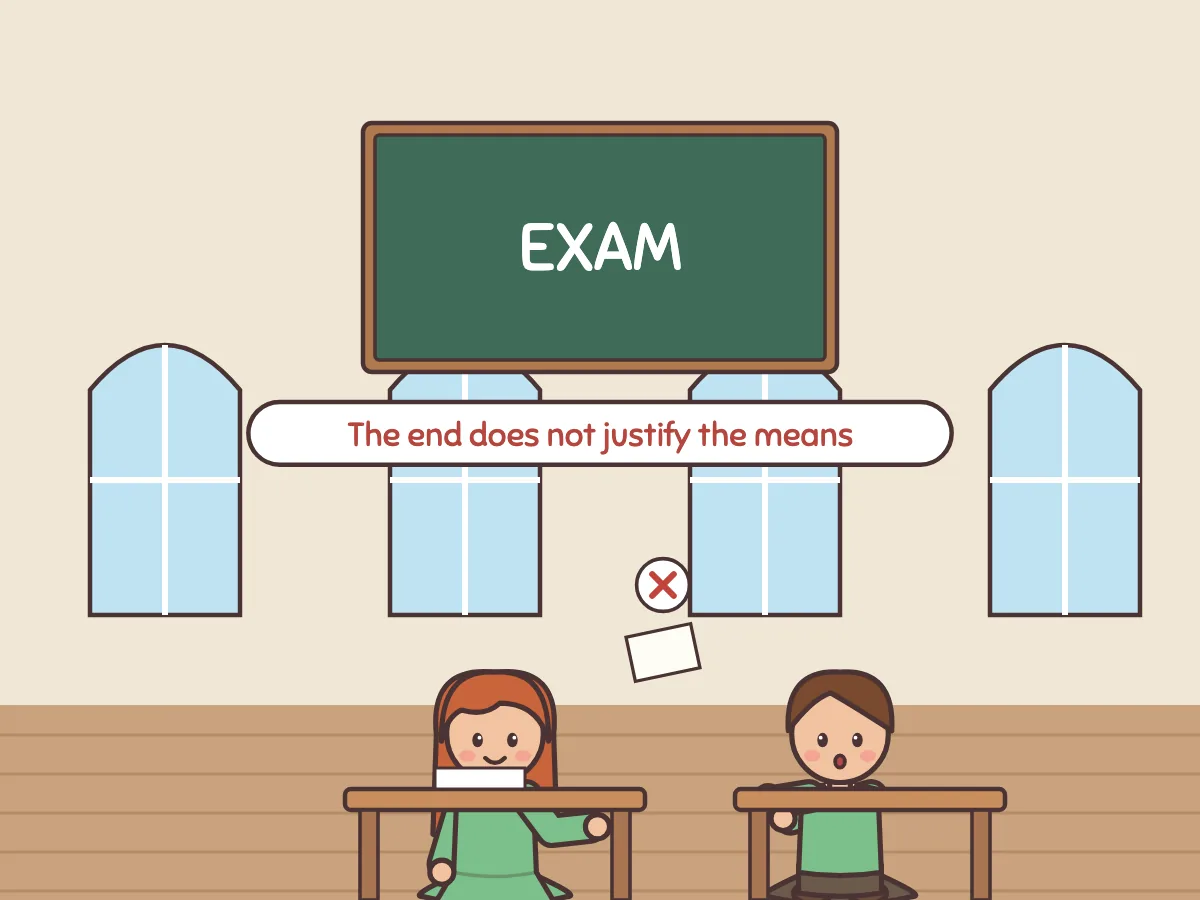
A student at an exam pushing away a cheat sheet offered by a classmate: the end never justifies evil means.

This leads to a key principle: the end does not justify the means. Cheating to get into a good college, or doing evil so that good may come, is never right. A good act needs a good object, a good intention and fitting circumstances.
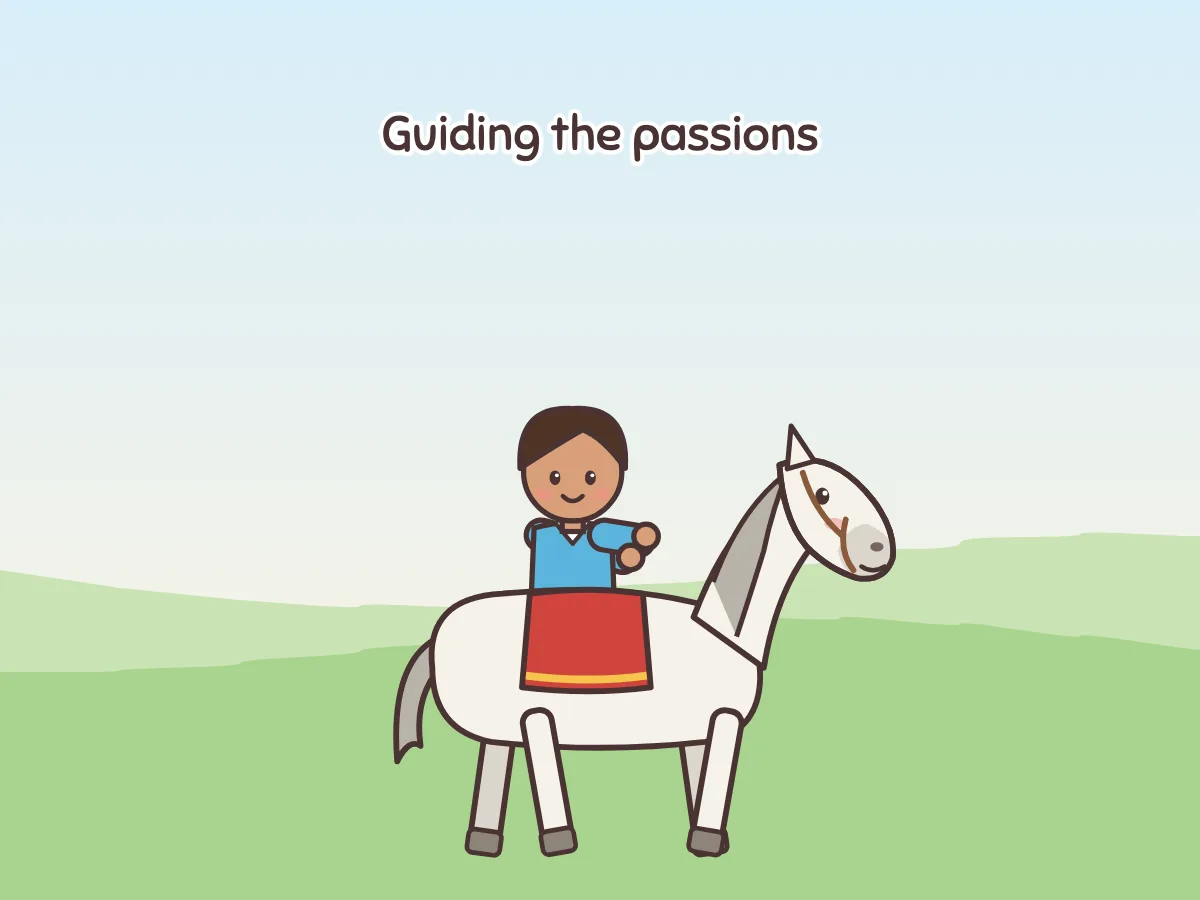
A young rider calmly guiding a strong white horse: reason and will guide our passions, like a rider guiding a horse.

Passions such as love, anger, fear, joy and sadness are not good or bad in themselves. They become morally good when reason and will guide them toward the good, like a rider guiding a horse. Anger at injustice can move us to act; anger that is not controlled can destroy.
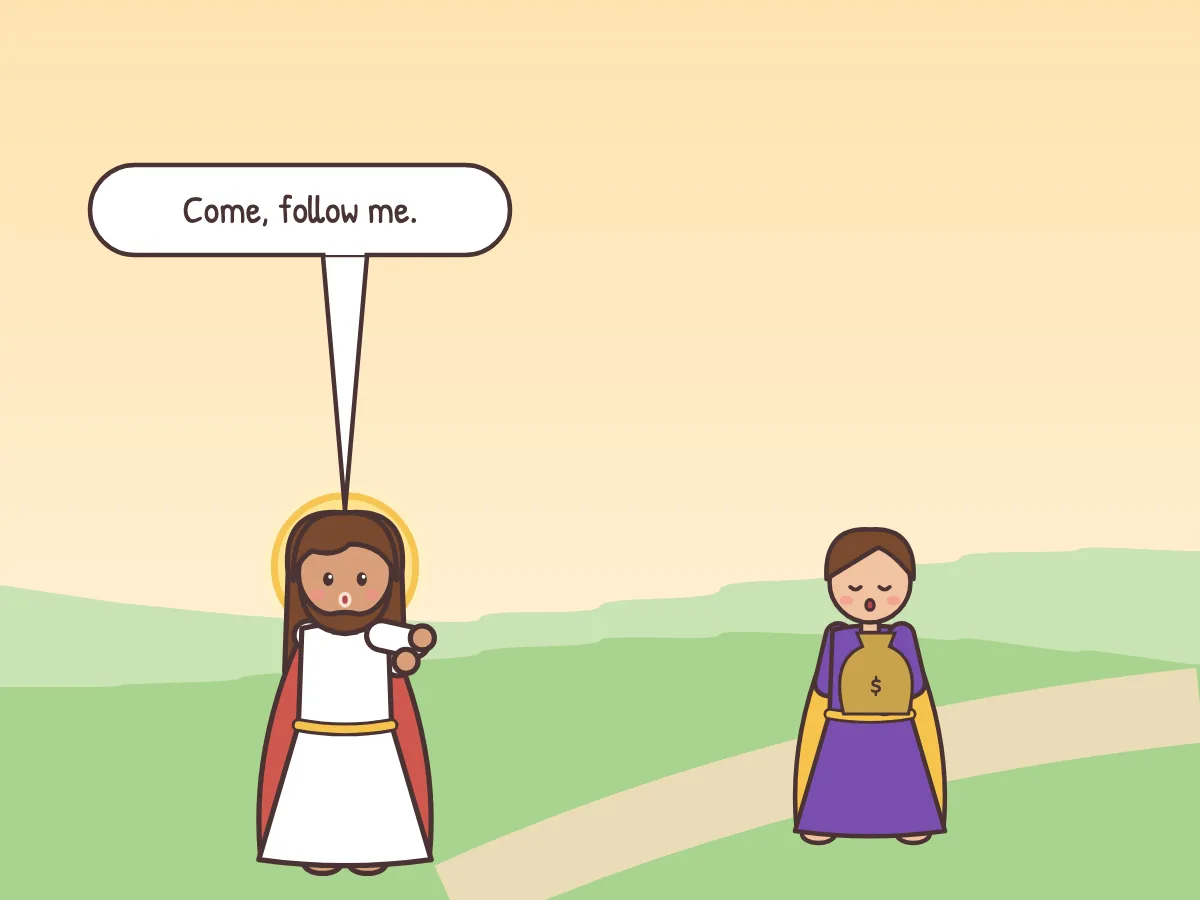
The rich young man walking sadly away with his bag of money, as Jesus looks after him with love.

Jesus answered the young man with an invitation: “Come, follow me.” But the young man went away sad, for he had many possessions. The moral life is, in the end, about following a Person. Every choice is a chance to say yes to Him.

Catechism: CCC 1700–1775Scripture: Matthew 19:16–22 · Galatians 5:1, 13

Words to know

Tap a card to flip it
Keep this in your heart
True freedom is the power to choose the good; the end never justifies evil means.

Say it out loud three times. Tap a circle each time!

Quiz

  1. What is true freedom?
    Answer: The power to choose the good
  2. What are the three sources of morality?
    Answer: Object, intention and circumstances
  3. Can a good intention make a bad act good?
    Answer: No
  4. What does “the end does not justify the means” mean?
    Answer: We may never do evil so that good may come
  5. Are passions like anger good or bad in themselves?
    Answer: Neither; they become good or bad by how we direct them

Pray & do

Lord Jesus, like the young man in the Gospel, I want to know what is good. Give me the freedom to choose it, the courage to follow You and a heart that holds nothing back from You. Amen.

Activity

Write three short scenarios a high school student might face, for example at a party, during a test or in a group chat. For each, look at the object, intention and circumstances and decide what a good choice would be.

Family corner

Talk about a time someone in the family had to choose between an easy wrong and a hard right. What helped them choose? How did they feel afterward?

Lesson complete!

Today's big idea: Made in God's image and called to happiness, we use freedom well by choosing the good; an act's morality depends on its object, intention and circumstances.