
When God reveals Himself, He waits for an answer. That answer is faith: giving our whole selves to God and believing all that He has revealed. Faith is both trusting a Person and believing what He tells us.
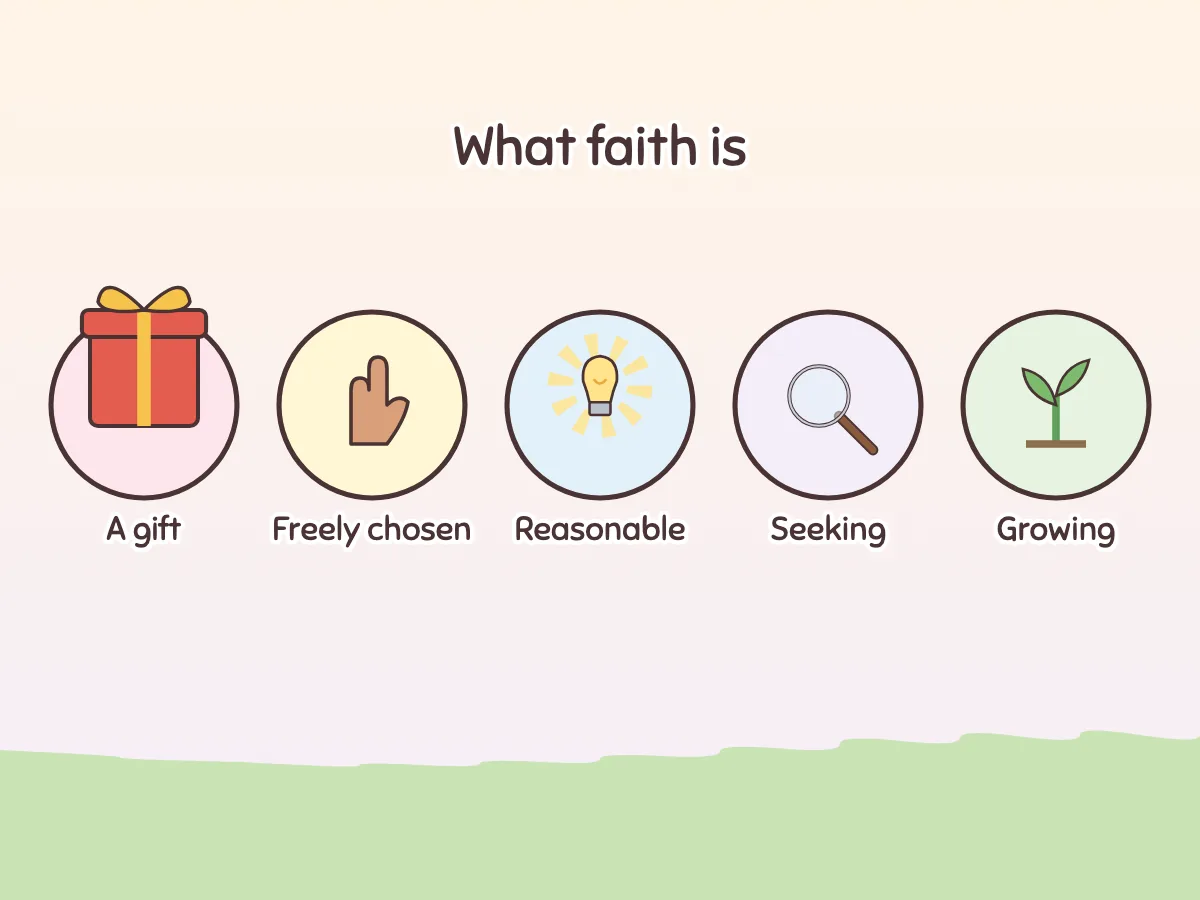
The Catechism describes faith like this:
- A gift: we can believe only because God's grace moves our hearts.
- A human act: it is also truly our own free choice, and no one may be forced to believe.
- Reasonable: it rests on the word of God, who cannot lie, and is supported by signs such as miracles and the holiness of the Church.
- Certain, and still seeking: more certain than any human knowledge, yet always wanting to understand more.
- Able to grow: we need faith for salvation, and we must feed it, or it can grow weak.
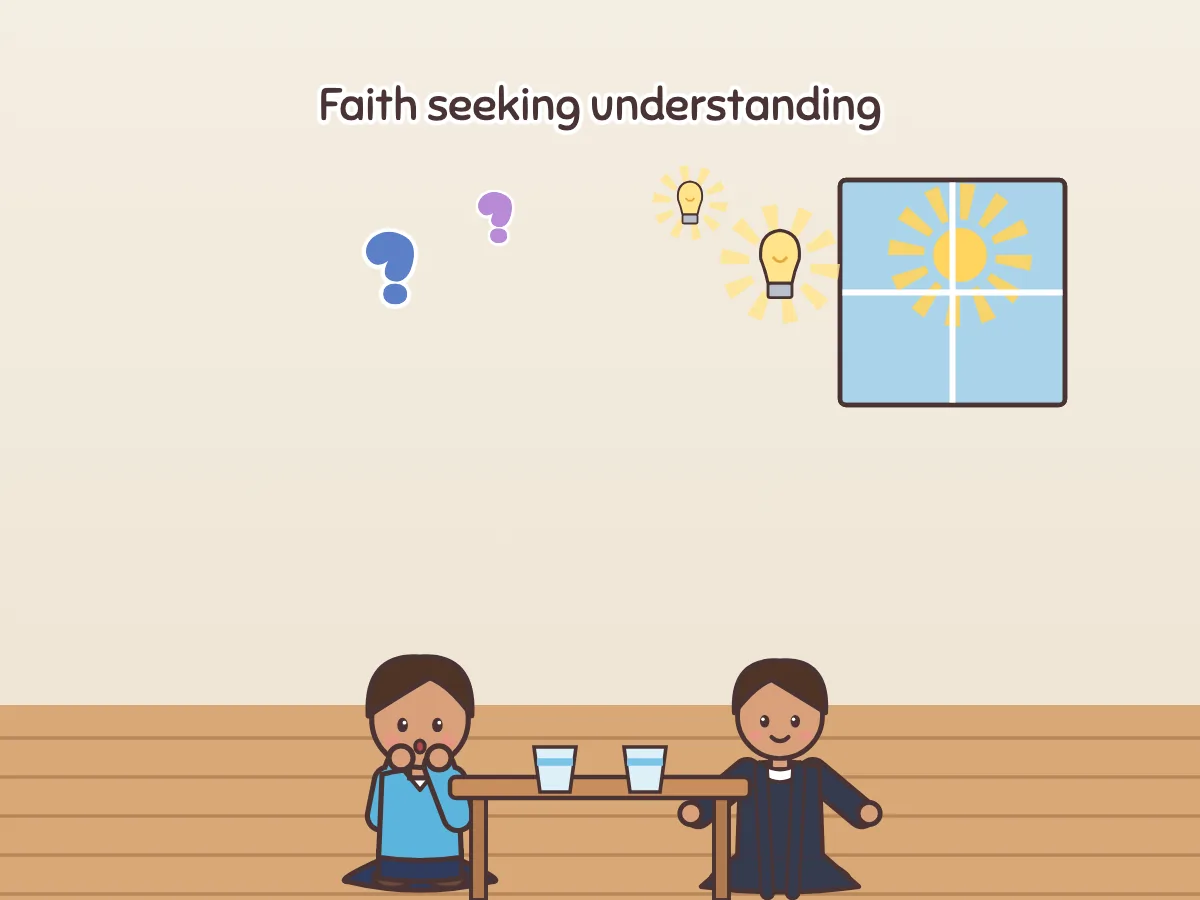
Questions are normal, and asking them is part of growing in faith. Saint Anselm called theology “faith seeking understanding.” A difficulty is not the same as a doubt: Saint John Henry Newman said that ten thousand difficulties do not make one doubt. Bring your questions to God, to the Church's teaching and to people you trust.
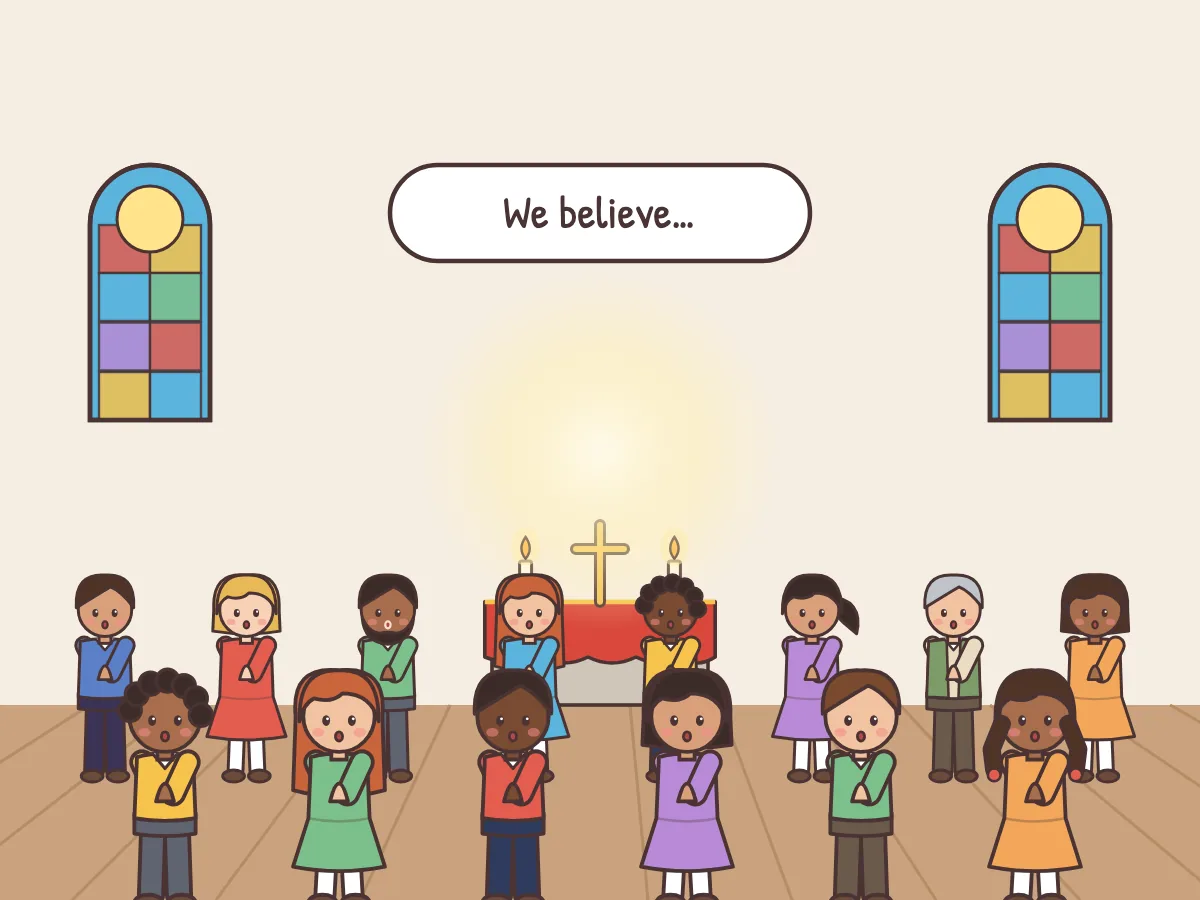
Faith is personal but never private. No one can believe alone, just as no one can live alone. We received faith from the Church, through parents, godparents and catechists, and we profess it together: at Mass we say “I believe” as one people.
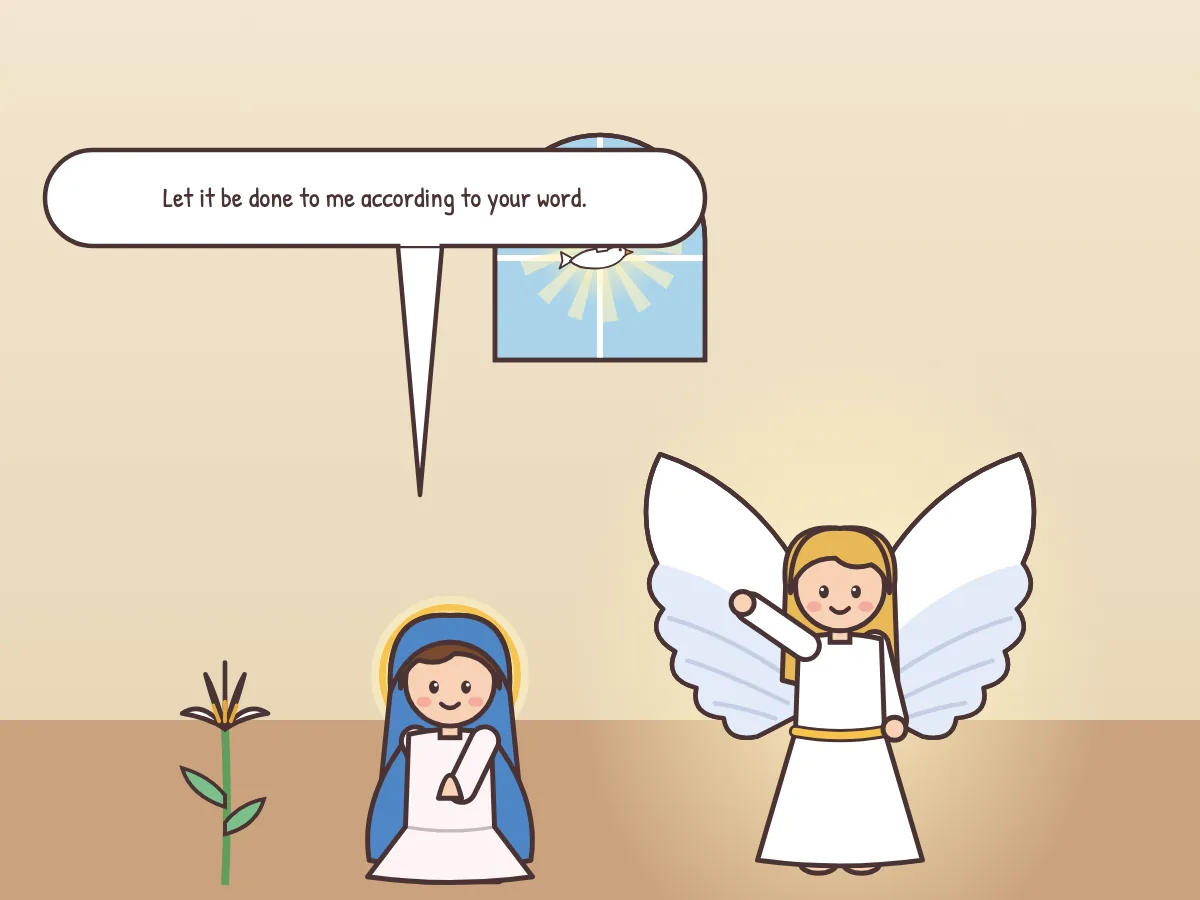
Mary is the model of faith. At the Annunciation she did not understand everything, but she said, “Let it be done to me according to your word,” and she kept believing at the foot of the cross. Abraham, Mary and the saints show that faith means trusting God even in the dark.
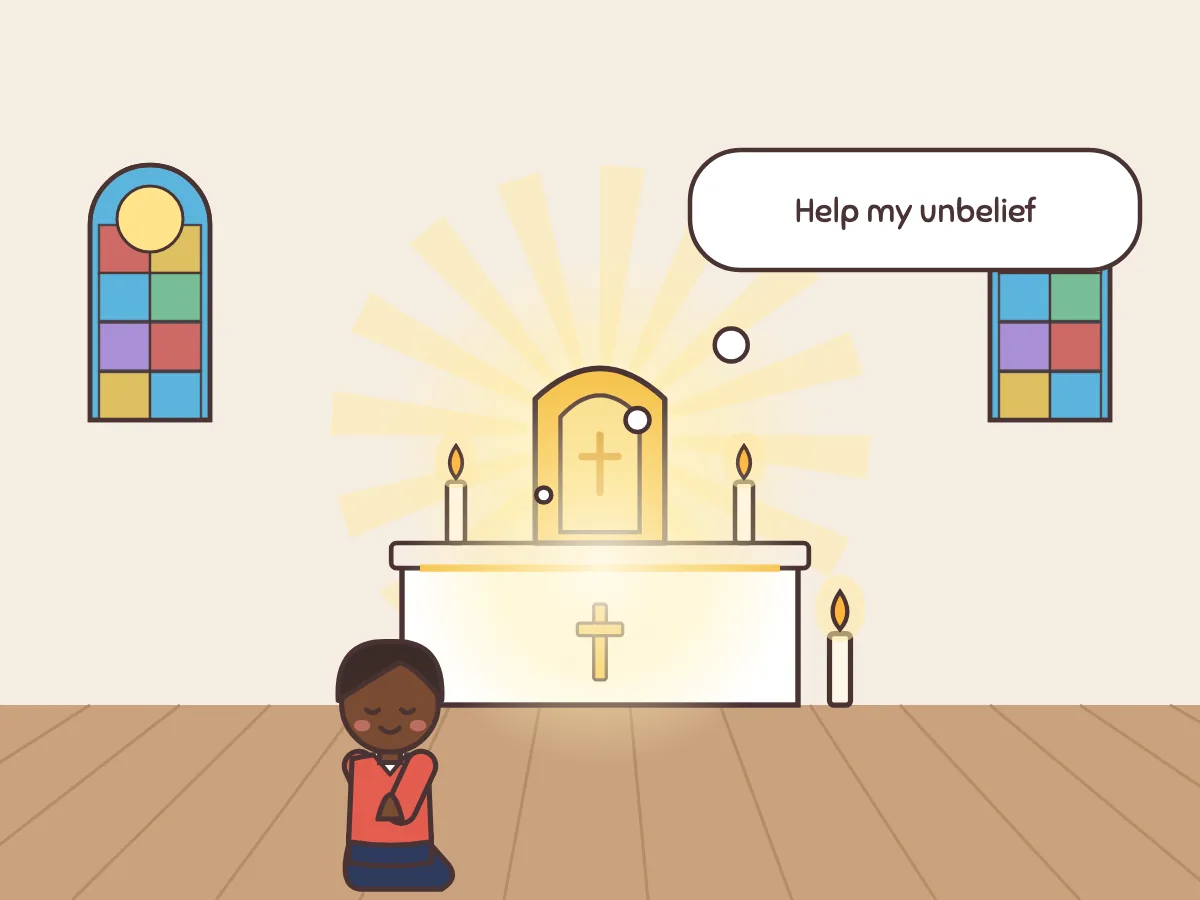
Faith grows like a friendship: by spending time together. Prayer is faith breathing. Talk to God every day in your own words, read the Gospels, go to Mass and Confession, and serve others. When faith feels weak, pray like the father in the Gospel: “I believe; help my unbelief!”