
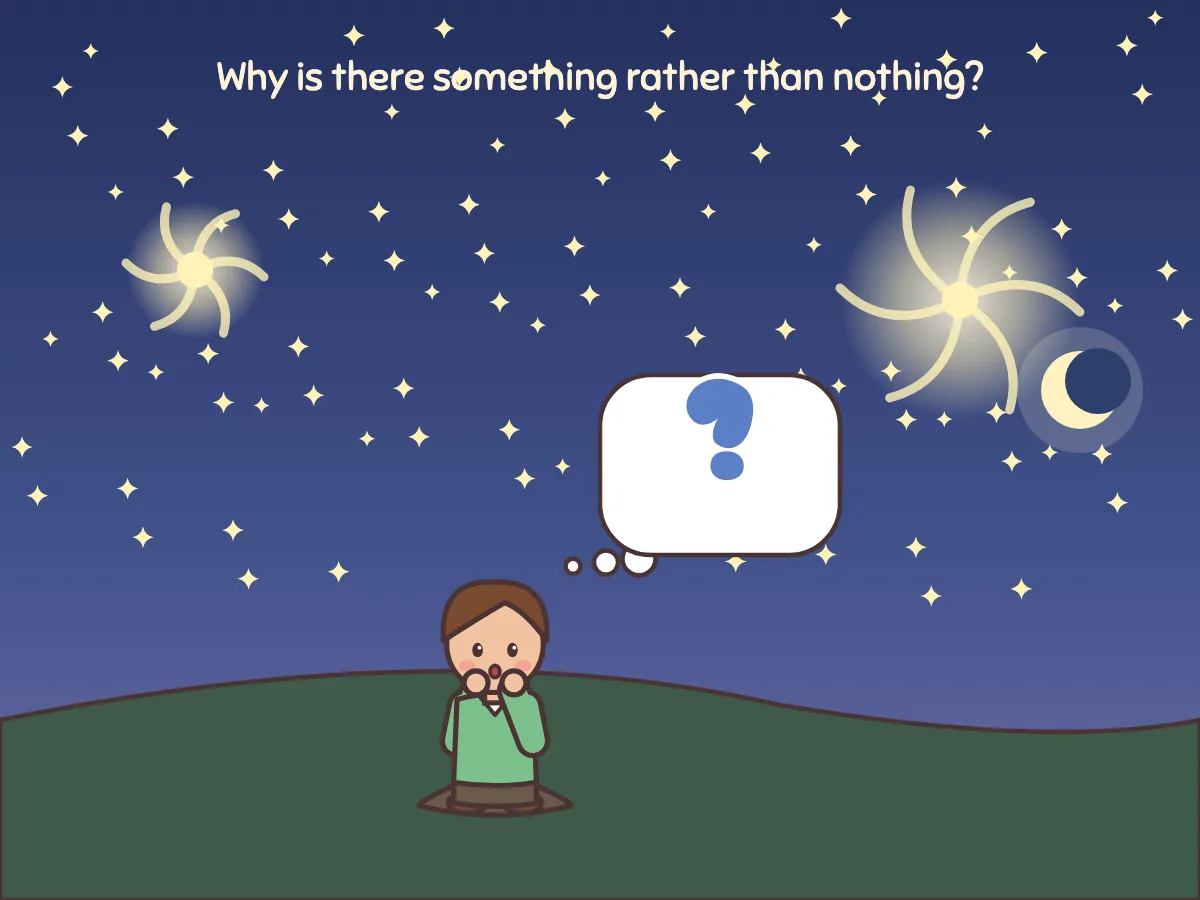
Why is there something rather than nothing? Why do we long for a love that never ends and a happiness that never fades? Every culture in history has asked these questions, built temples and prayed. The Church teaches that the desire for God is written in the human heart, because we were created by God and for God. Saint Augustine prayed: “You have made us for yourself, O Lord, and our heart is restless until it rests in you.”
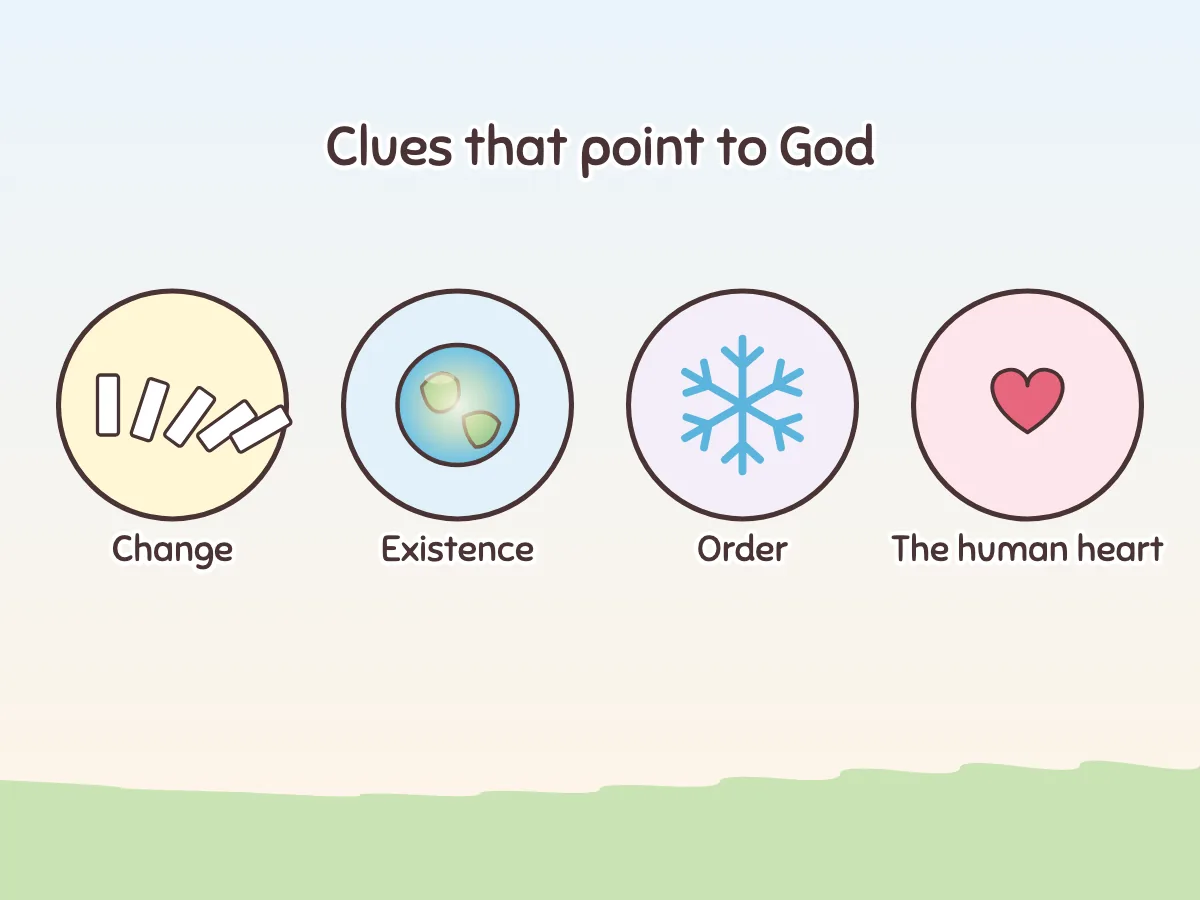
We can come to know God starting from the world and from the human person. Saint Thomas Aquinas and other thinkers pointed to clues such as these:
- Change: everything that changes is changed by something else, so there must be a first Cause that is not itself changed.
- Existence: nothing in the universe has to exist; something must exist necessarily and give being to everything else.
- Order: the laws of nature and the fine-tuning of the universe point to an intelligent Mind.
- The human heart: our sense of right and wrong, and our hunger for truth, beauty and love, point beyond this world.

These arguments do not prove God the way a math problem is proven, but they show that faith is reasonable. The First Vatican Council taught that God can be known with certainty by the natural light of human reason from the things He has made. Faith and reason are not enemies: both come from the same God, who cannot contradict Himself.
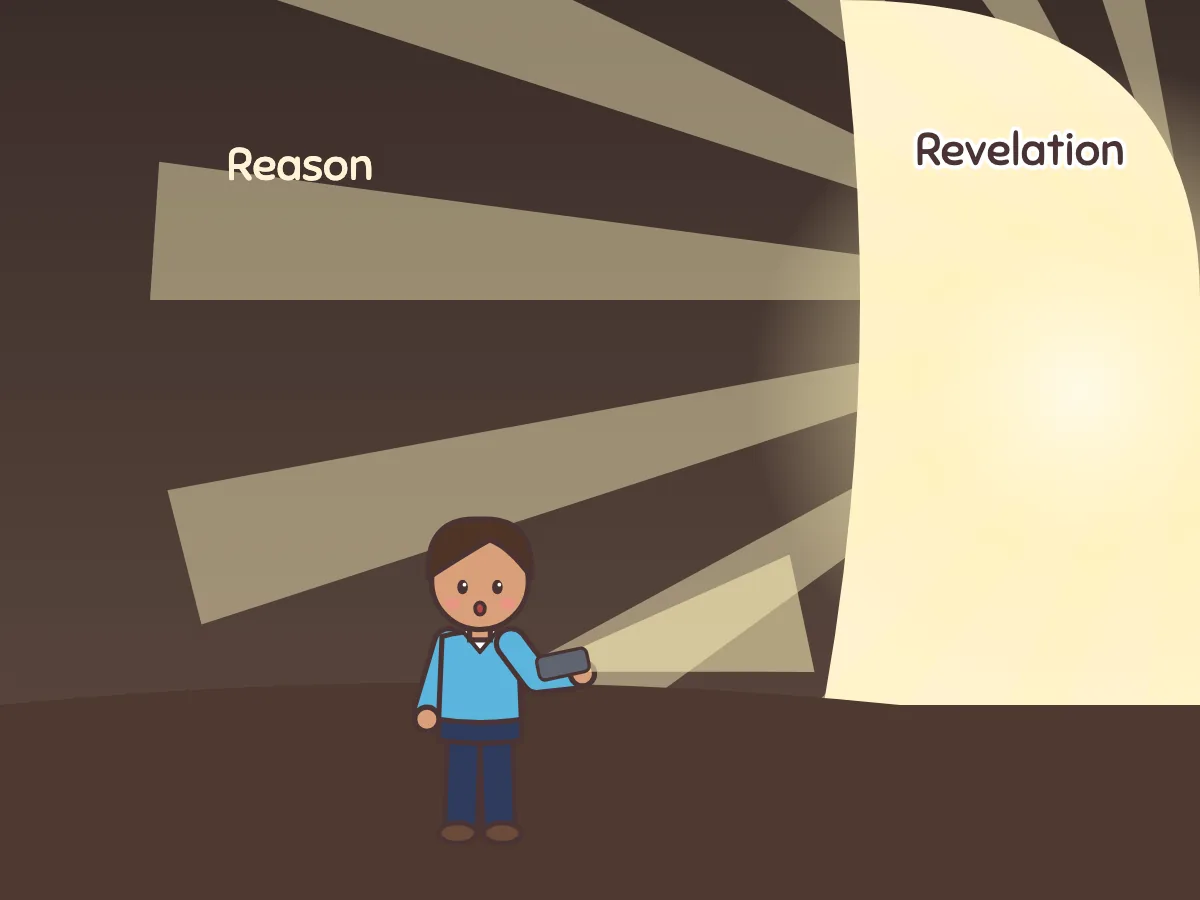
But reason alone can only take us so far. It can tell us that God exists, but not who God is inside, that He is Father, Son and Holy Spirit, or what He has planned for us. Reason is also easily clouded by sin, distraction and wishful thinking. So God, in His goodness, chose to reveal Himself.
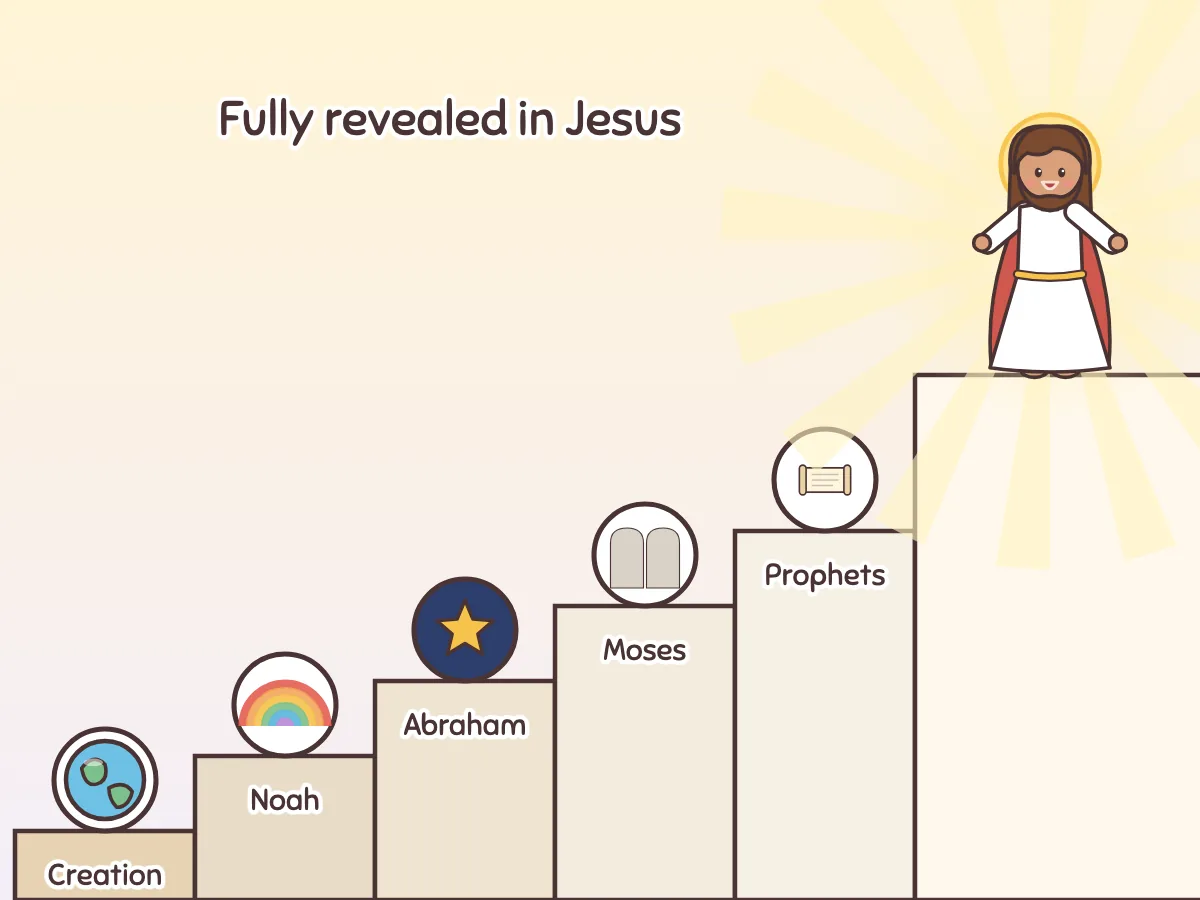
Divine Revelation means God making Himself and His plan known. He did it step by step: through creation, through the covenants with Noah, Abraham, Moses and David, through the prophets, and finally and fully in His Son. “In many and various ways God spoke of old to our fathers by the prophets; but in these last days he has spoken to us by a Son.” There will be no new public revelation before Christ comes again.
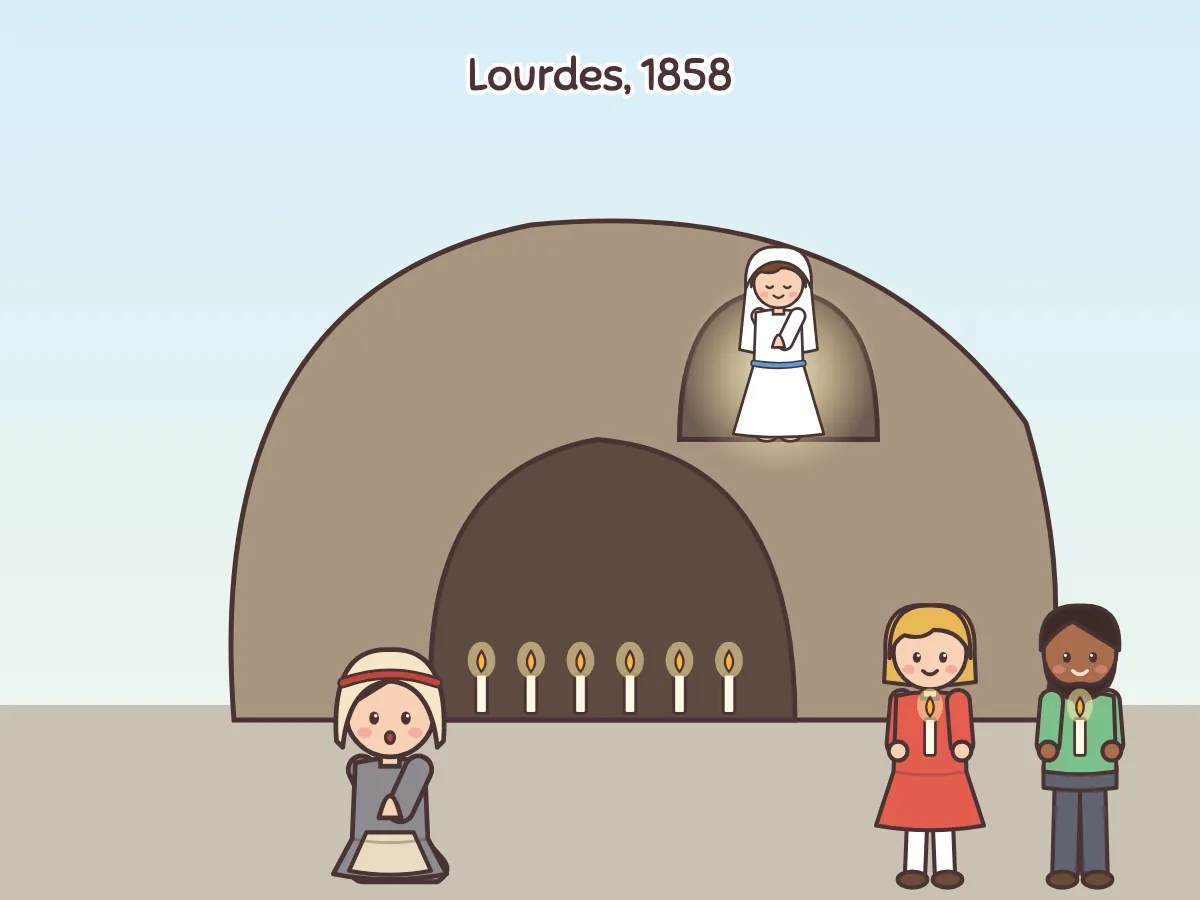
Private revelations, such as approved appearances of Mary at Lourdes or Fátima, can help us live the faith more fully in a particular time. But they never add to or correct what Christ revealed, and no Catholic is required to believe them. Everything we need for salvation has been given in Jesus.