
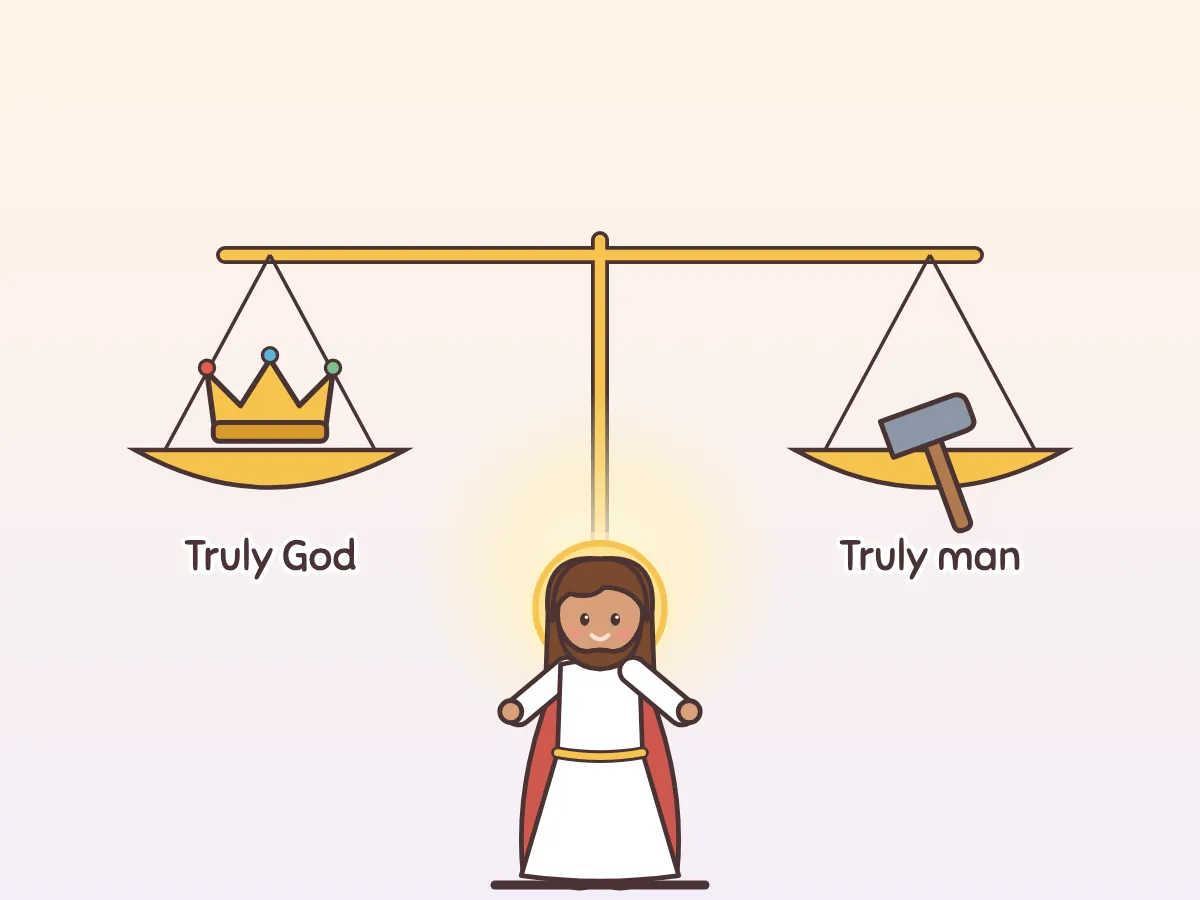
The mystery of Jesus can be lost in two directions. Lean too far one way, and Jesus becomes God in a human costume. Lean too far the other, and He becomes only a holy man. In the first centuries, the Church had to think hard to say the truth precisely, and the heresies made her do it.
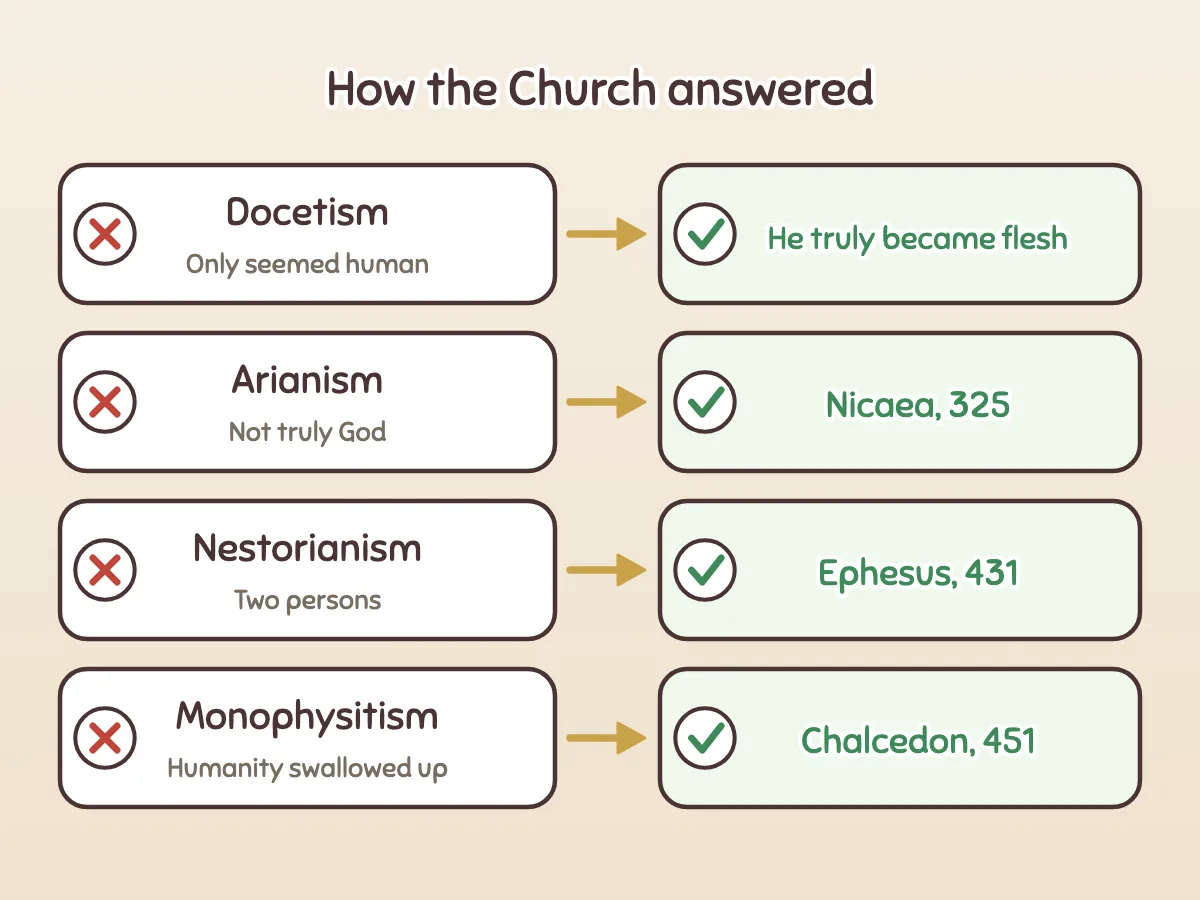
The great early errors, and how the Church answered them:
- Docetism said Jesus only seemed to have a body. The Church answered: He truly became flesh, suffered and died.
- Arianism said the Son was a creature. Nicaea (325) answered: He is consubstantial with the Father.
- Nestorianism split Christ into a human person and a divine person. Ephesus (431) answered: He is one Person, so Mary is truly Mother of God.
- Monophysitism said His human nature was swallowed up by the divine. Chalcedon (451) answered: two natures, without confusion, change, division or separation.
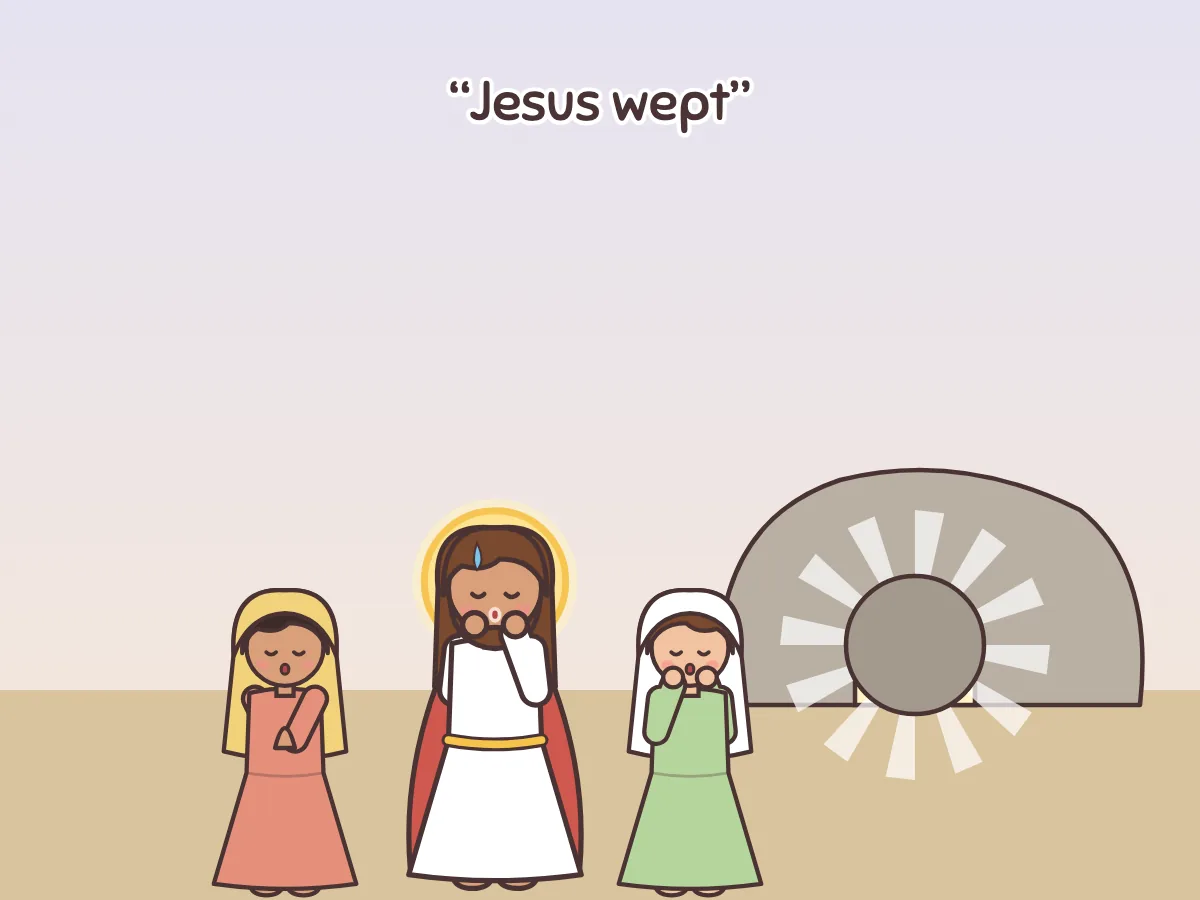
The union of the two natures in the one Person of the Son is called the hypostatic union. The Son did not stop being God when He became man, and His humanity is not a disguise. Everything Jesus does is done by the one divine Person through His human nature: when He weeps at the tomb of Lazarus, it is God who weeps.
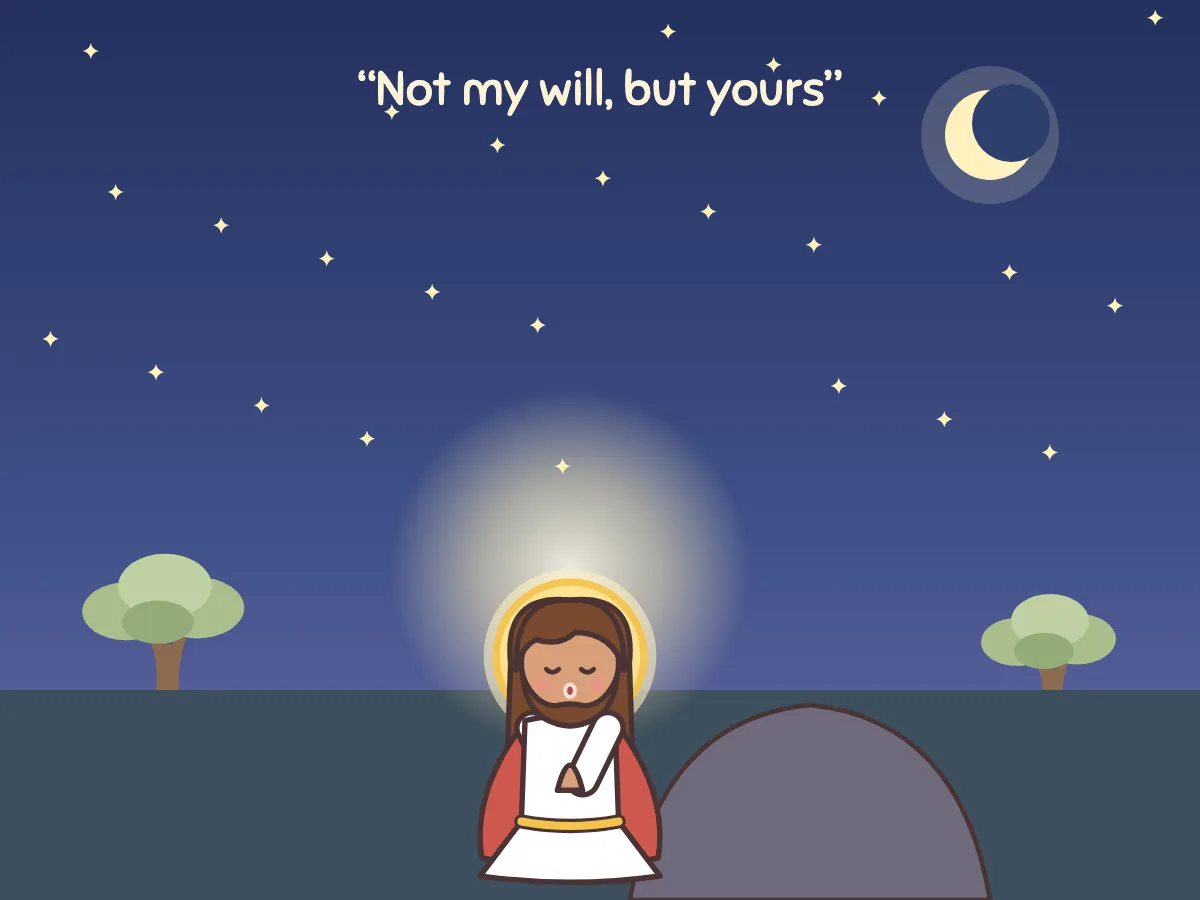
Jesus has a true human soul with human knowledge. He grew in wisdom, asked questions and learned from experience, while also knowing the Father intimately. He has a human will that always freely obeyed the Father, as in Gethsemane: “Not my will, but yours, be done.”
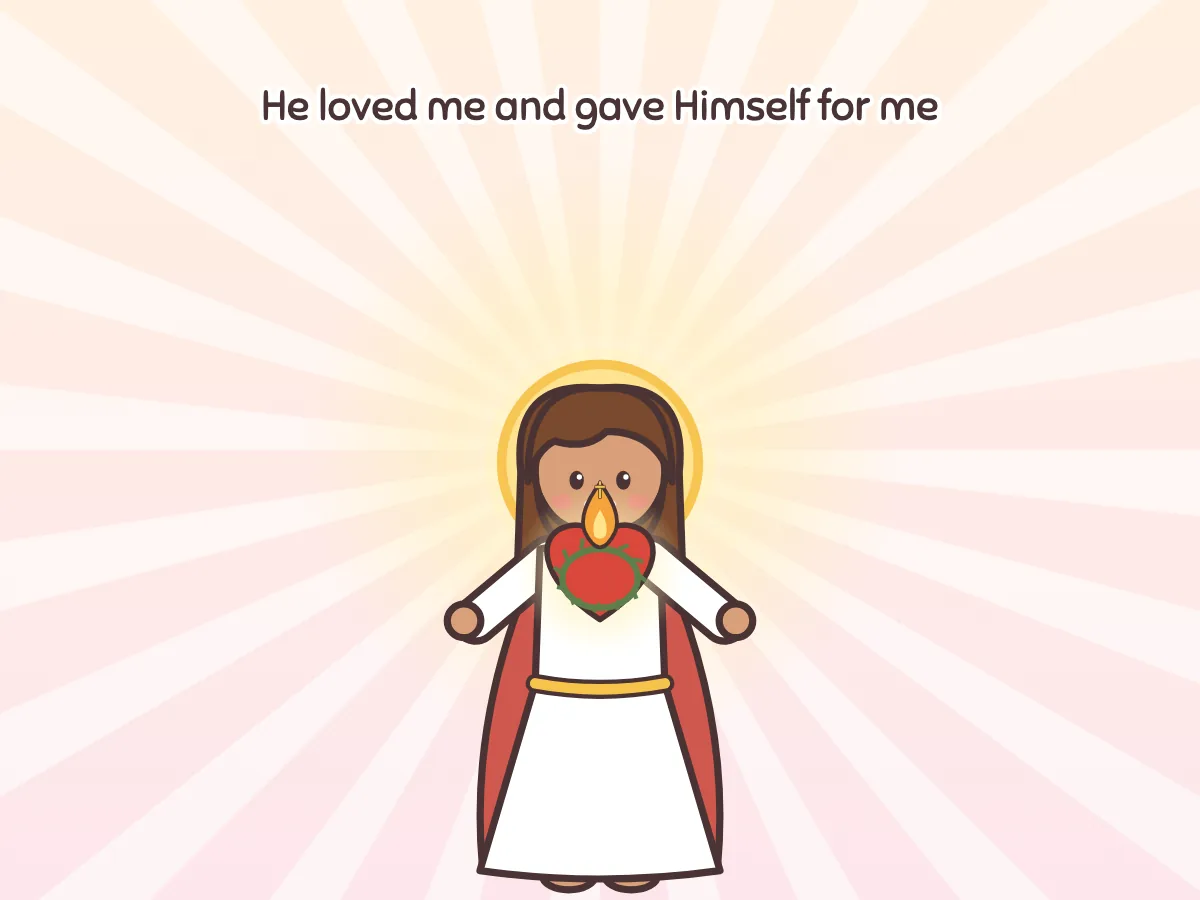
Jesus has a true human heart. The Church honors the Sacred Heart of Jesus as the sign of His love for every person, a love that is both divine and fully human. He knows and loves each of us personally. As Saint Paul wrote, He “loved me and gave himself for me.”
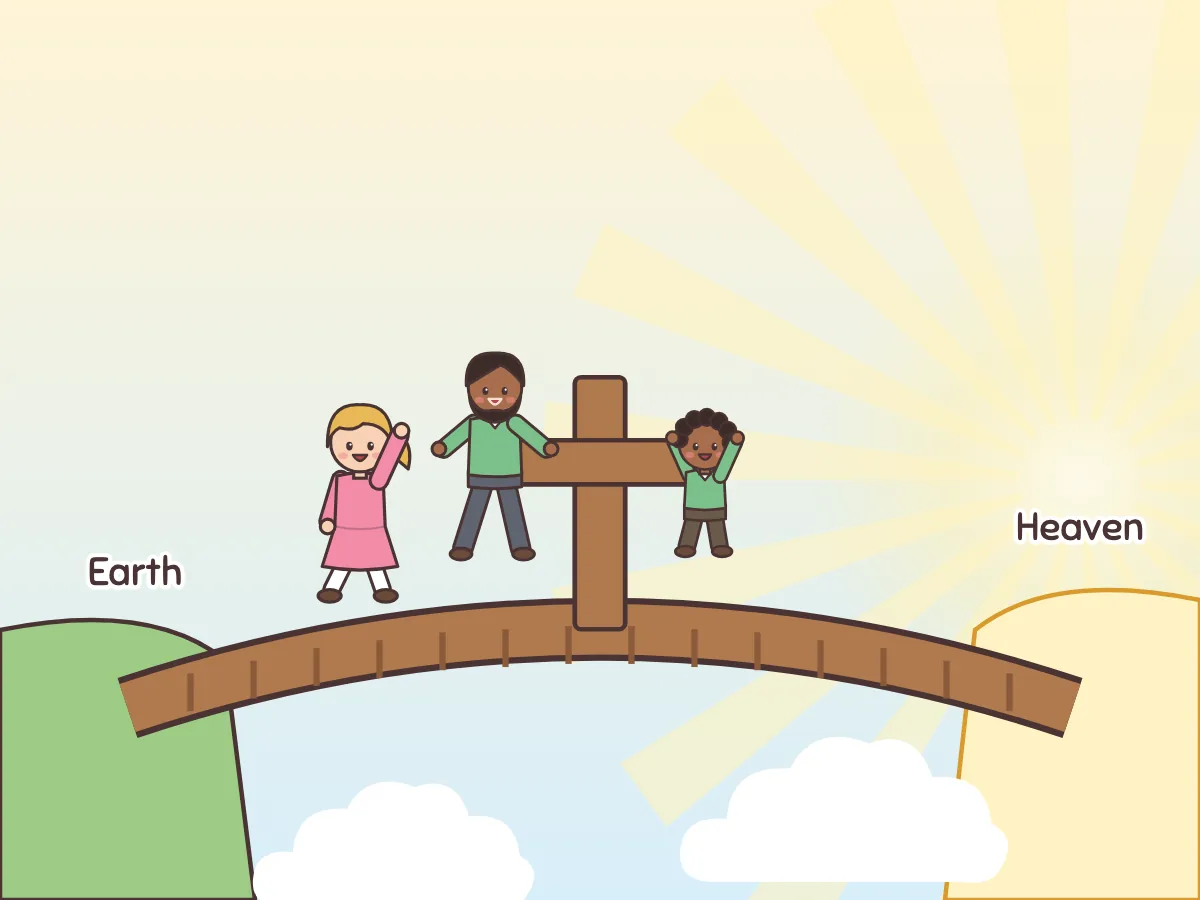
Why does it matter? Only God can save us, and only a man can offer himself in our place. In Jesus, God and humanity meet. Saint Athanasius said that the Son of God became man so that we might share in God's own life. The Incarnation shows the immense dignity of every human being.