
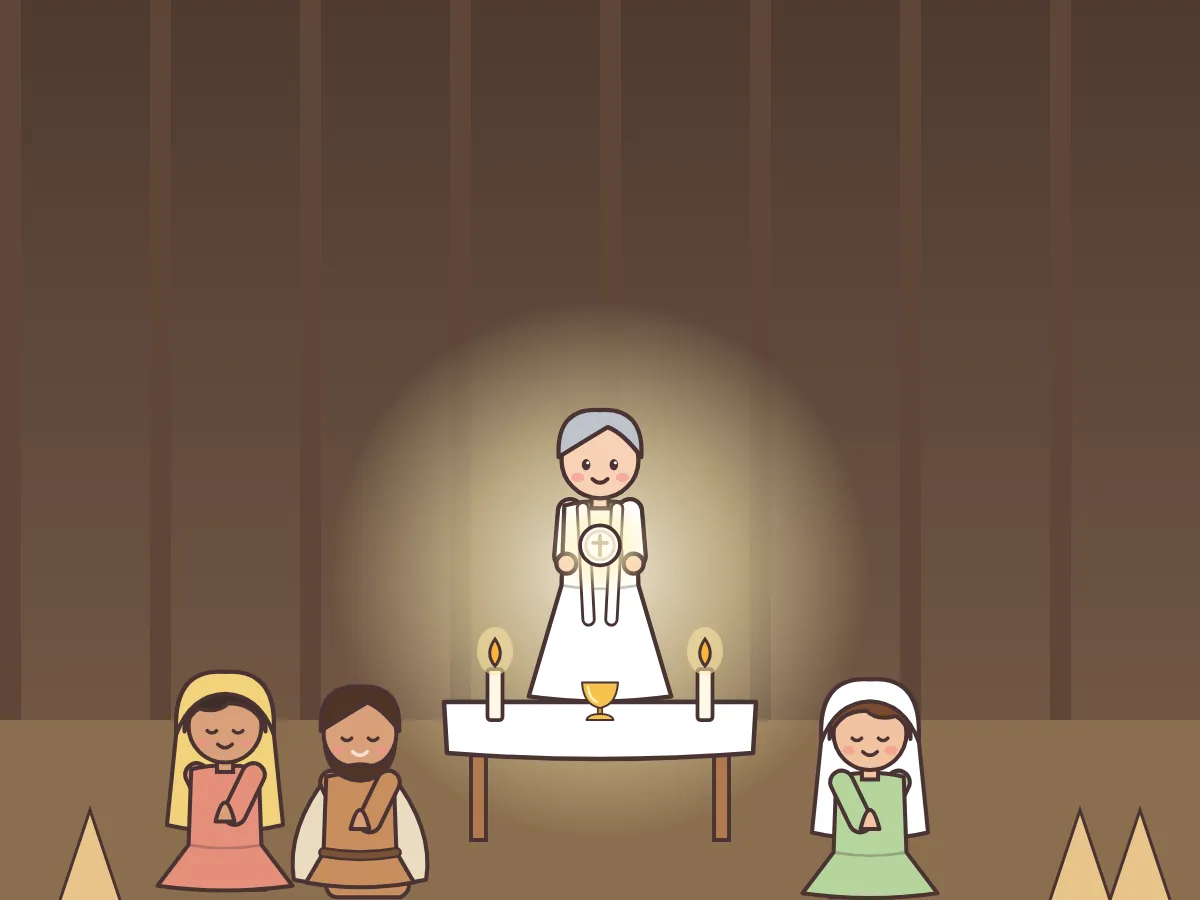
From the late 1700s, revolutions and new ideas challenged the Church. During the French Revolution, churches were closed and many priests and religious were killed, so Mass was sometimes offered in secret. Some thinkers claimed that science and reason had replaced faith. The Church had to show that faith and reason belong together.
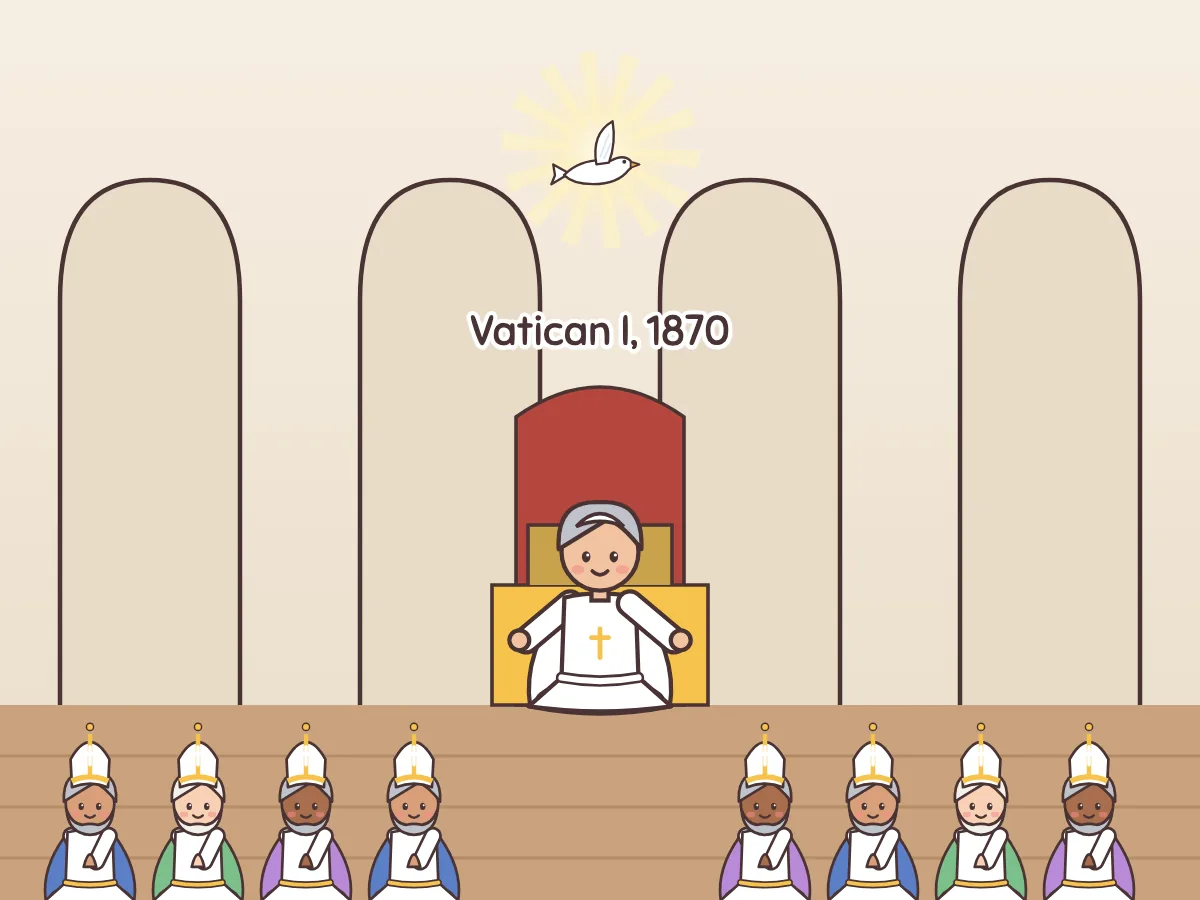
In 1870 the First Vatican Council taught that when the Pope solemnly defines a teaching on faith or morals for the whole Church, the Holy Spirit protects him from error. This is called papal infallibility. It does not mean the Pope never sins or never makes mistakes.
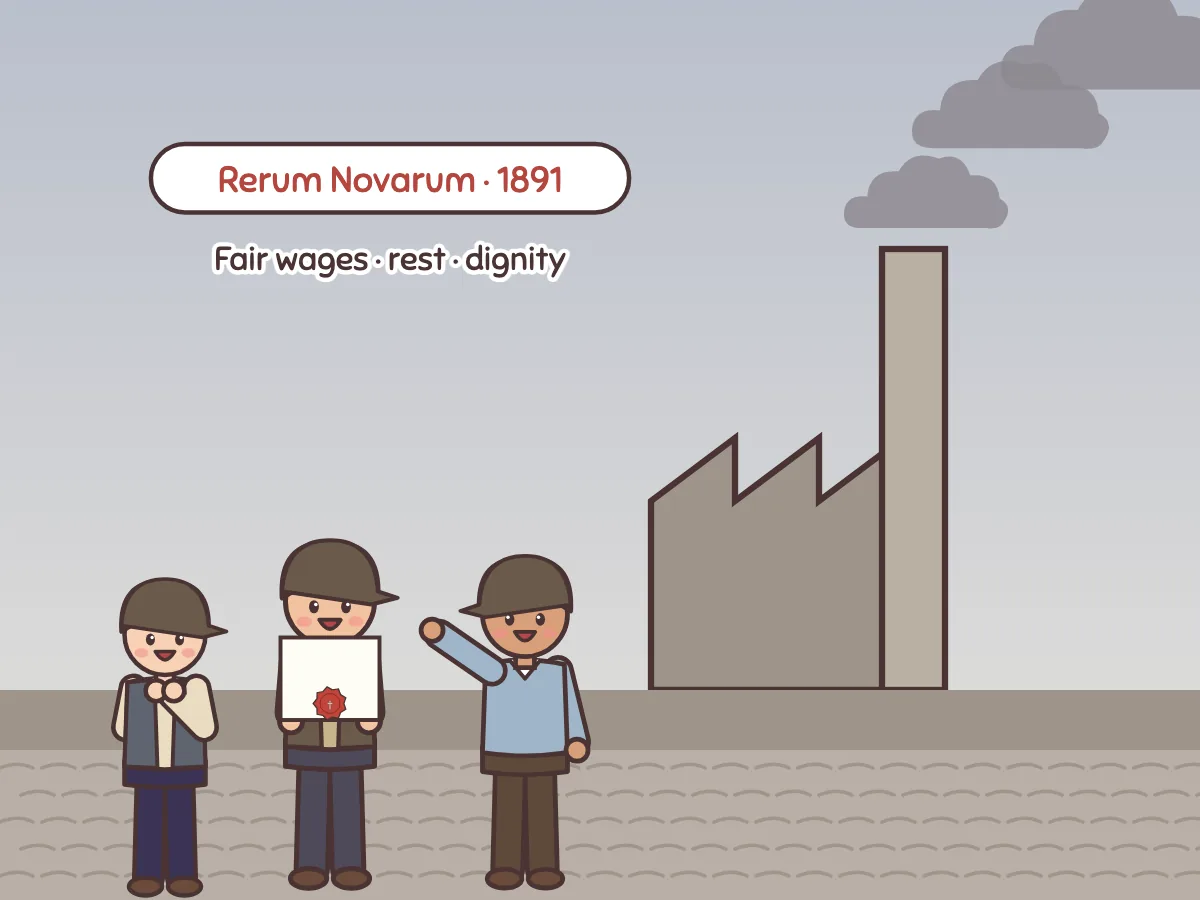
Factories brought new wealth but also terrible working conditions, even for children. In 1891 Pope Leo XIII wrote Rerum Novarum, defending workers' right to a fair wage, to rest and to form unions. He rejected socialism and also the greed that treated workers like machines. This began modern Catholic social teaching.
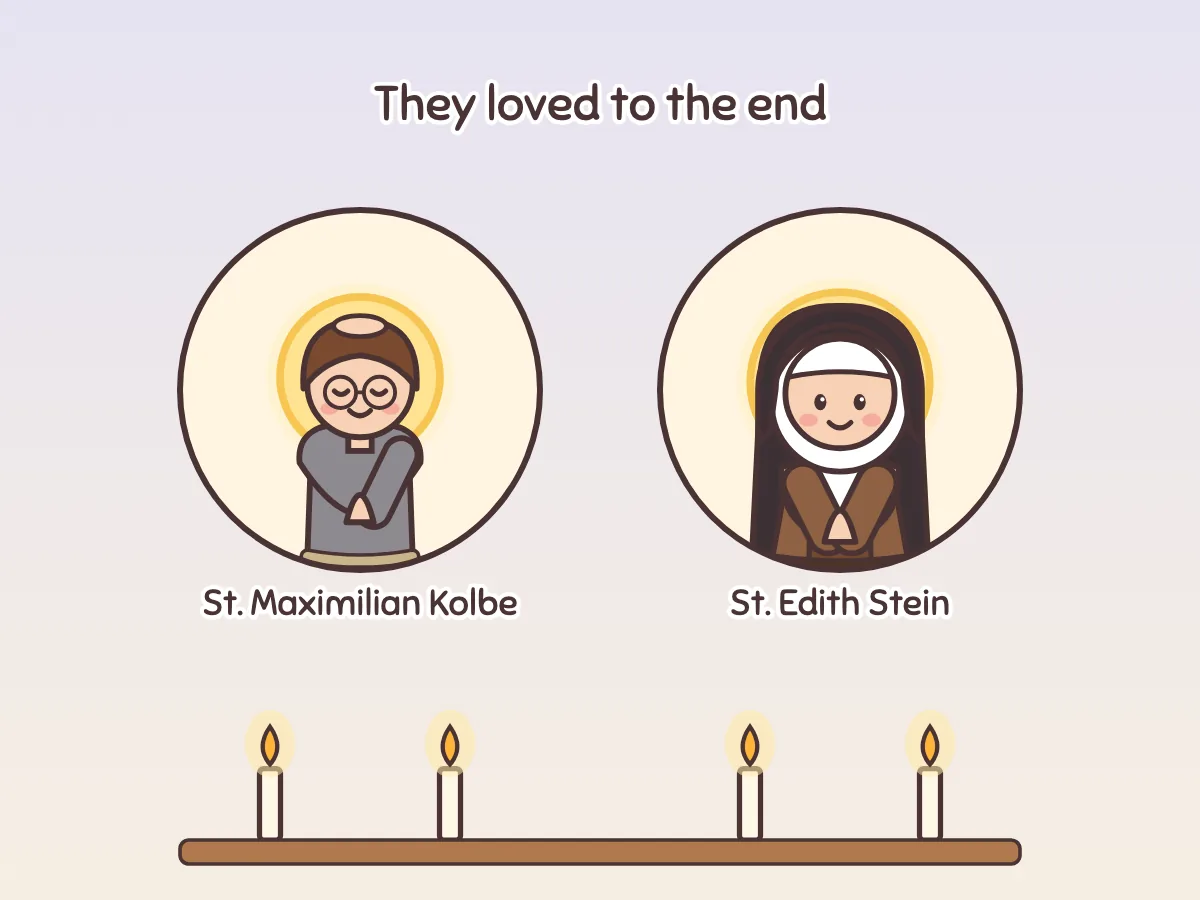
The twentieth century brought two world wars and cruel dictators. In the Nazi camp of Auschwitz, Saint Maximilian Kolbe, a Polish priest, offered his life in place of a prisoner who had a family. Saint Edith Stein, a Jewish-born philosopher who became a Carmelite nun, was killed there too. Many Christians risked their lives to hide Jewish neighbors.
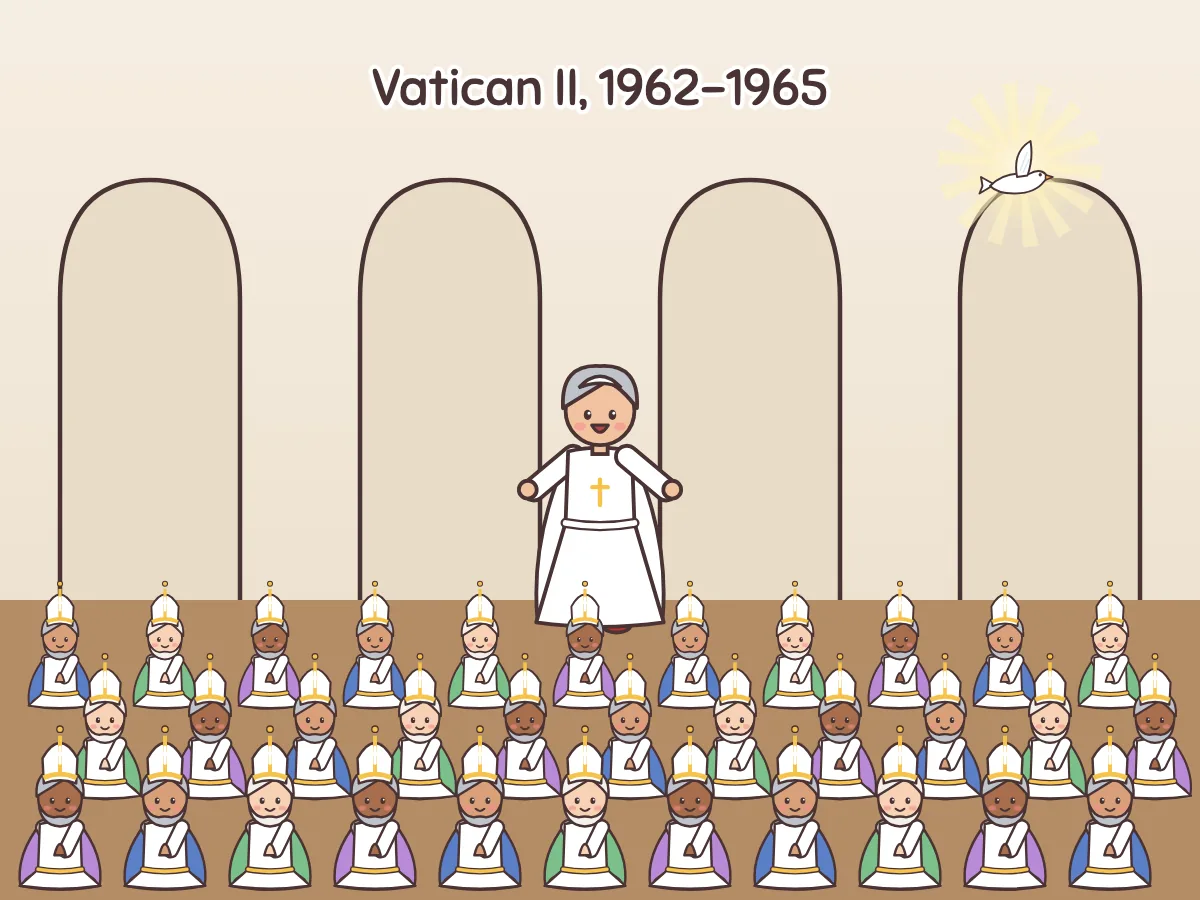
In 1962 Pope Saint John XXIII opened the Second Vatican Council to renew the Church so that she could bring Christ to the modern world. Over four years, more than two thousand bishops met in Rome. The Council allowed Mass in people's own languages, called all the baptized to holiness and mission, encouraged Bible reading, and reached out to other Christians and other religions.
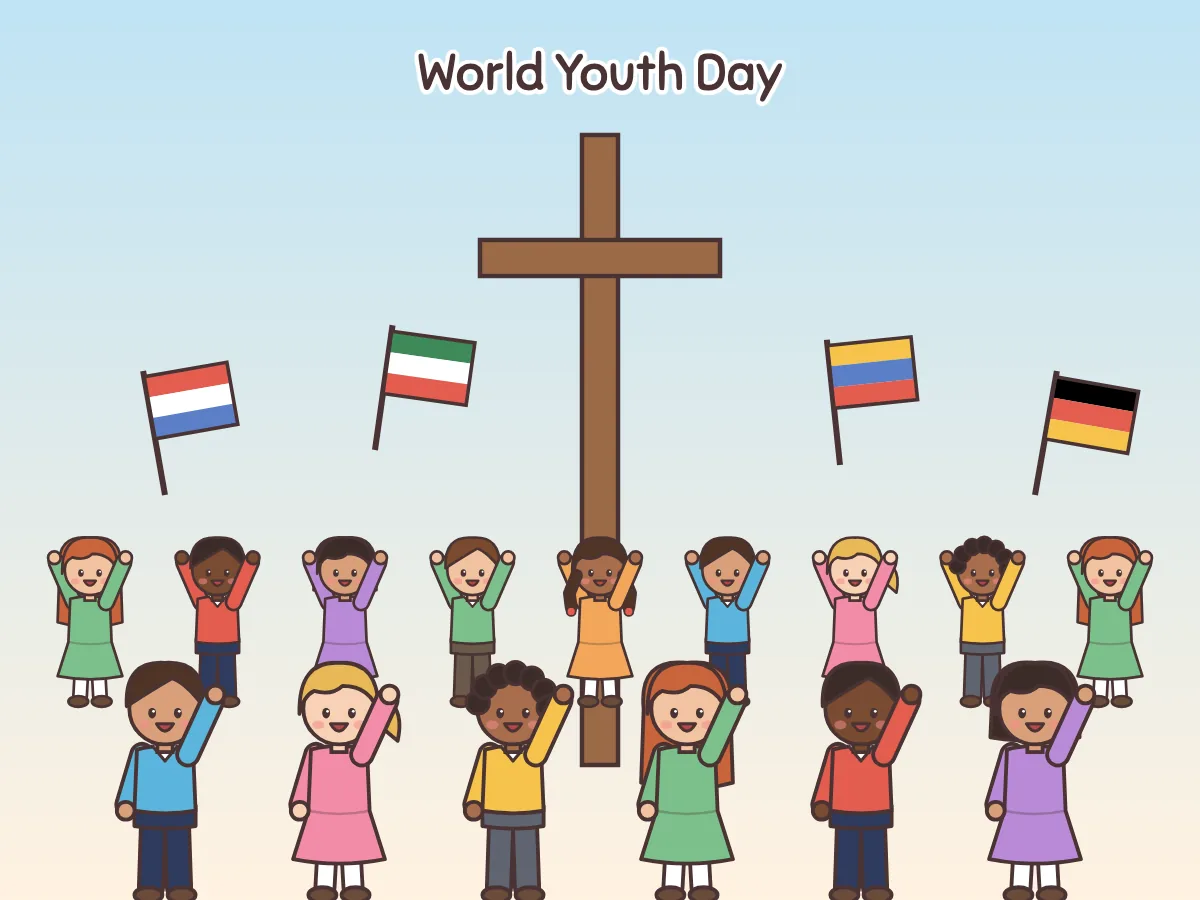
Since then the Church has kept going out to the world. Saint John Paul II visited more than 120 countries and began World Youth Day; Saint Teresa of Calcutta served the poorest of the poor. In 2025 Pope Leo XIV was elected, and Carlo Acutis, a teenager who loved the Eucharist and computers, was declared a saint. The story continues with you.