
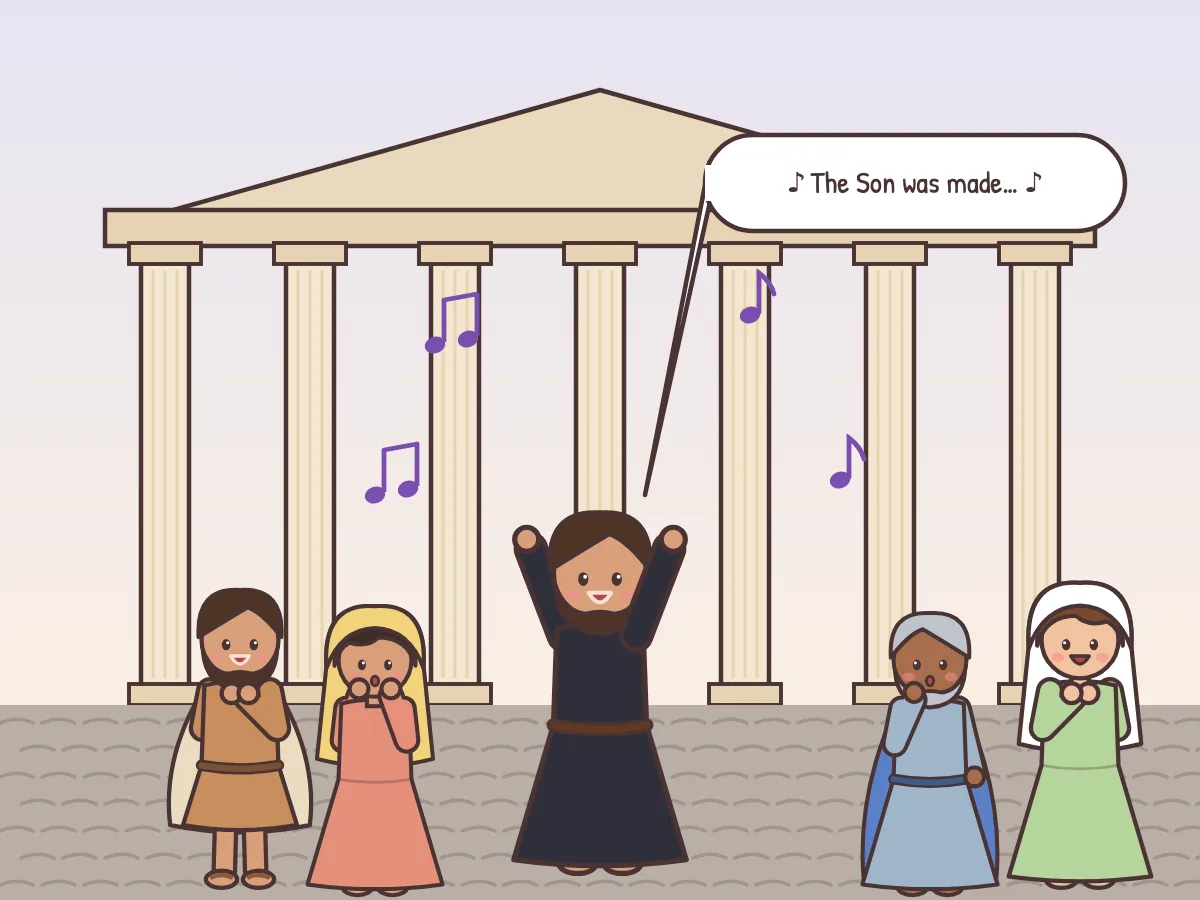
Once the persecutions ended, a new danger came from inside: false teachings, called heresies. A priest in Egypt named Arius taught that the Son of God was a creature: the greatest of creatures, but not truly God. His ideas spread fast, even through catchy songs.
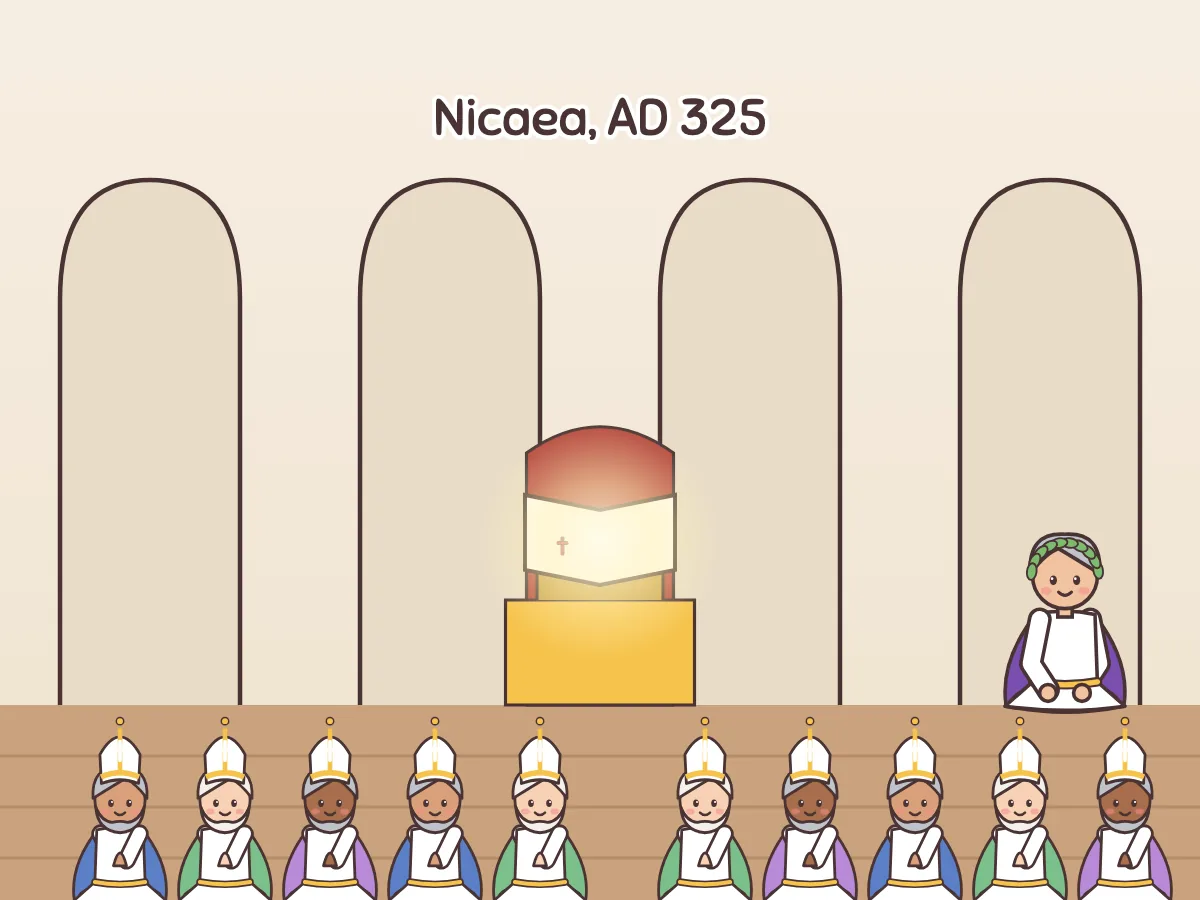
In 325 Emperor Constantine called the bishops to the Council of Nicaea. About three hundred came, some still scarred from persecution. They declared that the Son is “consubstantial with the Father”, one in being with Him: “God from God, Light from Light, true God from true God.”
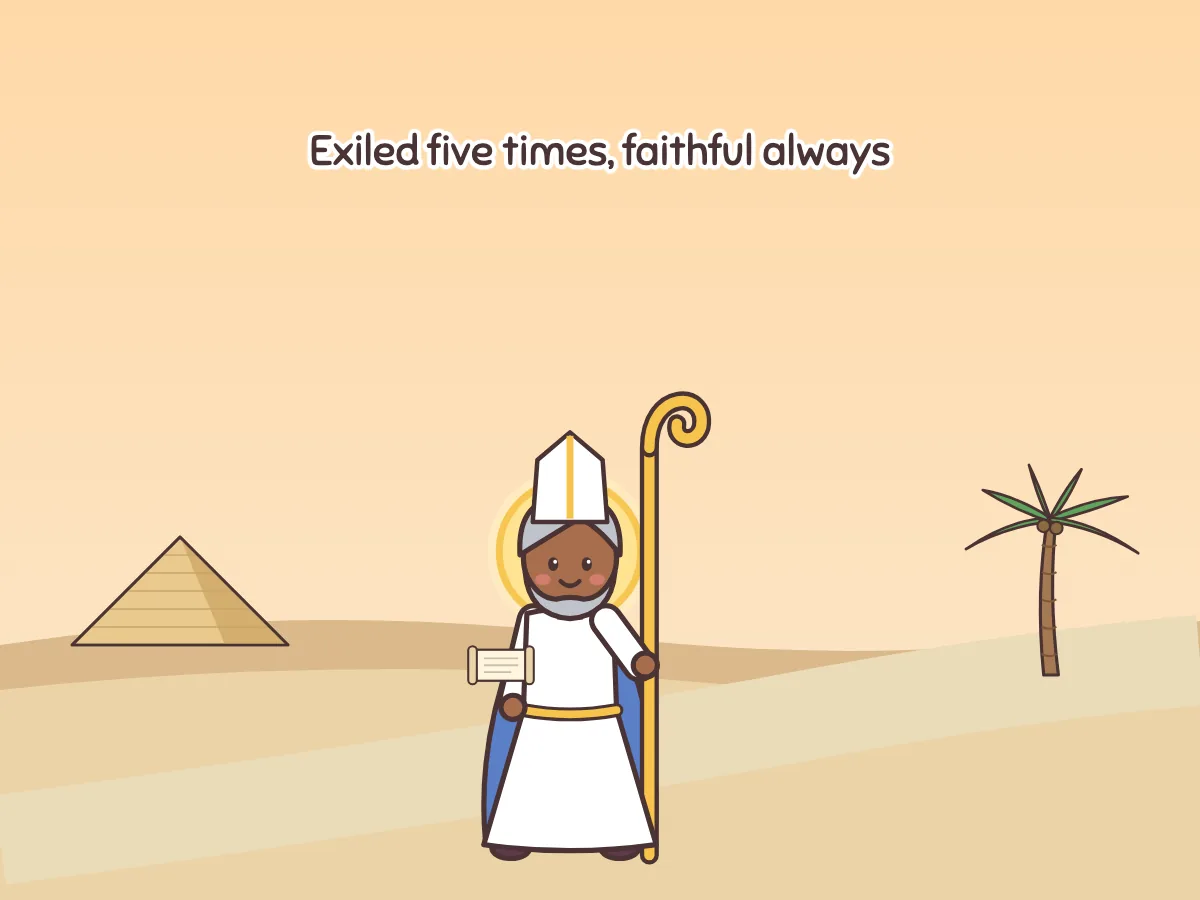
Saint Athanasius, bishop of Alexandria, defended this faith for decades and was sent into exile five times. In 381 the Council of Constantinople taught that the Holy Spirit is “the Lord, the giver of life,” adored and glorified with the Father and the Son. Together these councils gave us the Nicene Creed we pray at Sunday Mass.
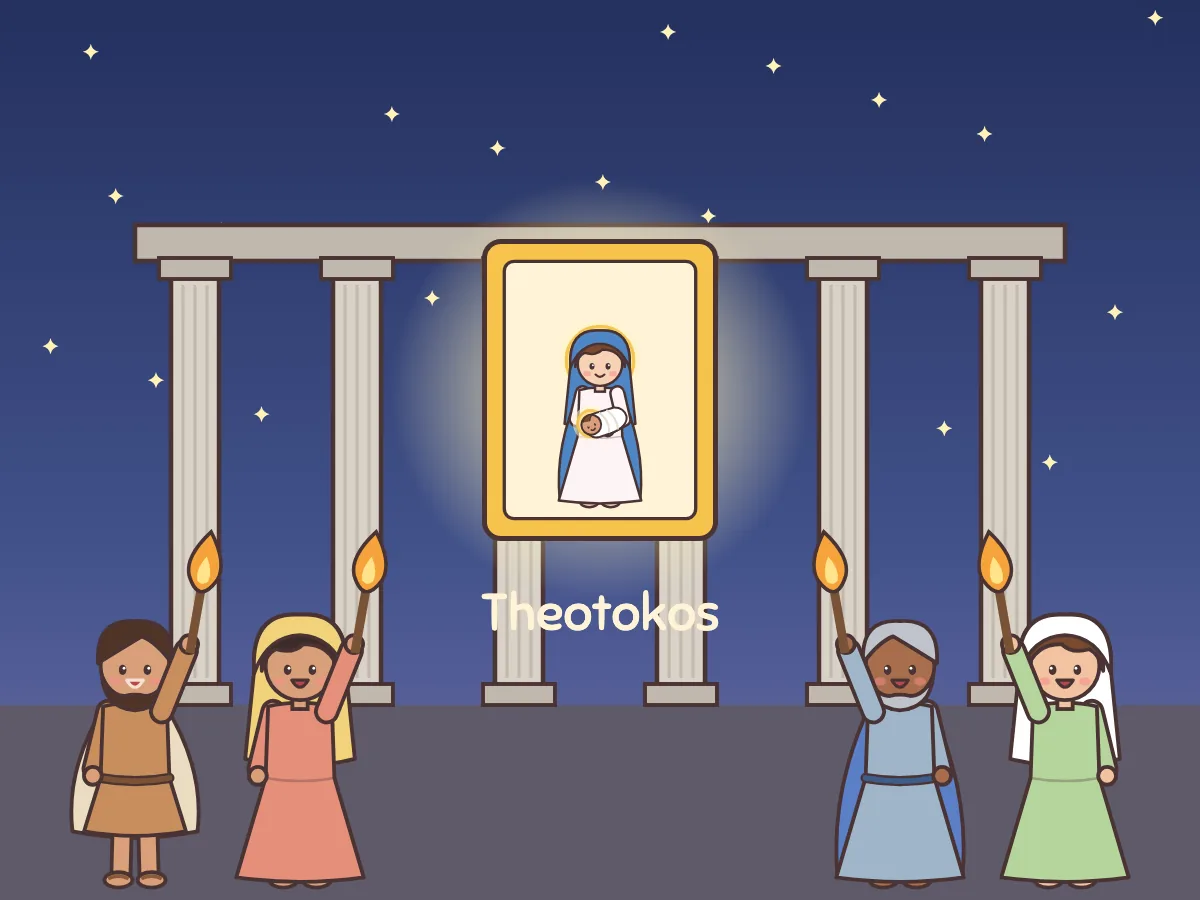
More councils followed. In 431 the Council of Ephesus taught that Mary is Theotokos, “Mother of God,” because her Son is truly God. In 451 the Council of Chalcedon taught that Jesus is one Person with two natures, divine and human, without mixing them up or pulling them apart.
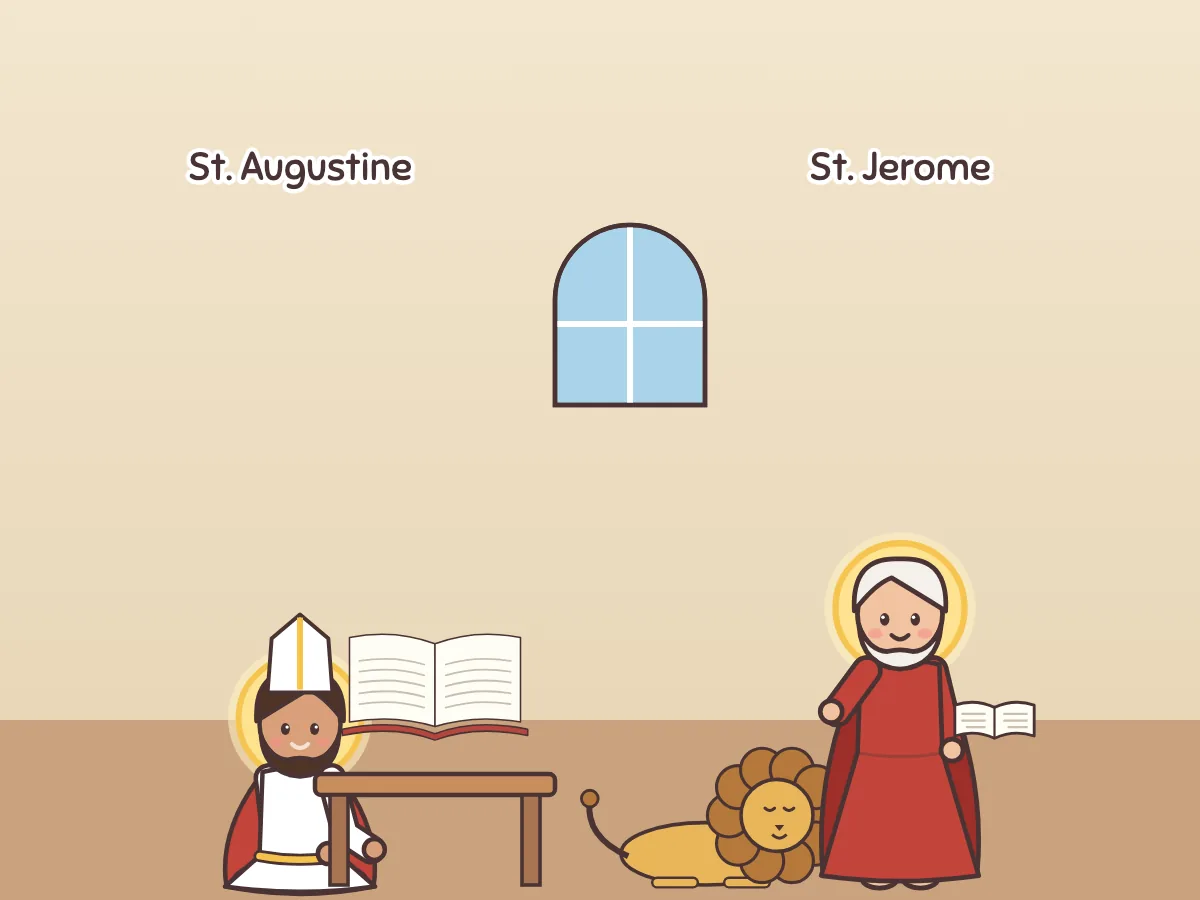
Great teachers called the Fathers of the Church explained and defended the faith. Saint Augustine, who lived a wild life before his conversion, became a bishop and wrote the Confessions. Saint Jerome translated the Bible into Latin. Saint Ambrose, Saint Basil and Saint John Chrysostom preached and wrote.
Why does this matter? Who Jesus is changes everything. If He were not truly God, He could not save us; if He were not truly man, He could not be one of us. The councils show the Holy Spirit leading the Church into all truth, just as Jesus promised.