
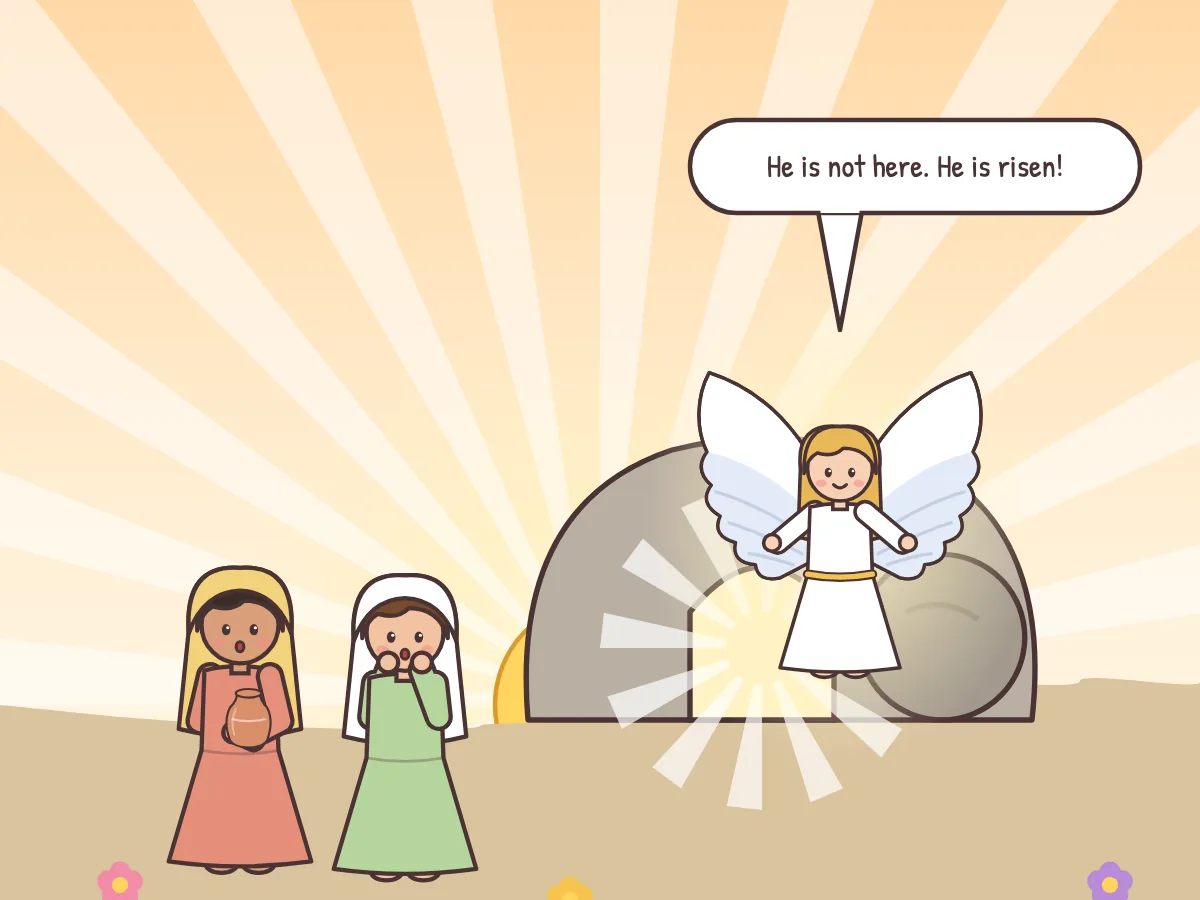
Early on Sunday morning, women came to the tomb with spices and found the stone rolled away. Angels said: “Why do you seek the living among the dead? He is not here, but has risen.” Mary Magdalene met the risen Jesus in the garden and ran to tell the apostles, so she is called the “apostle to the apostles.”
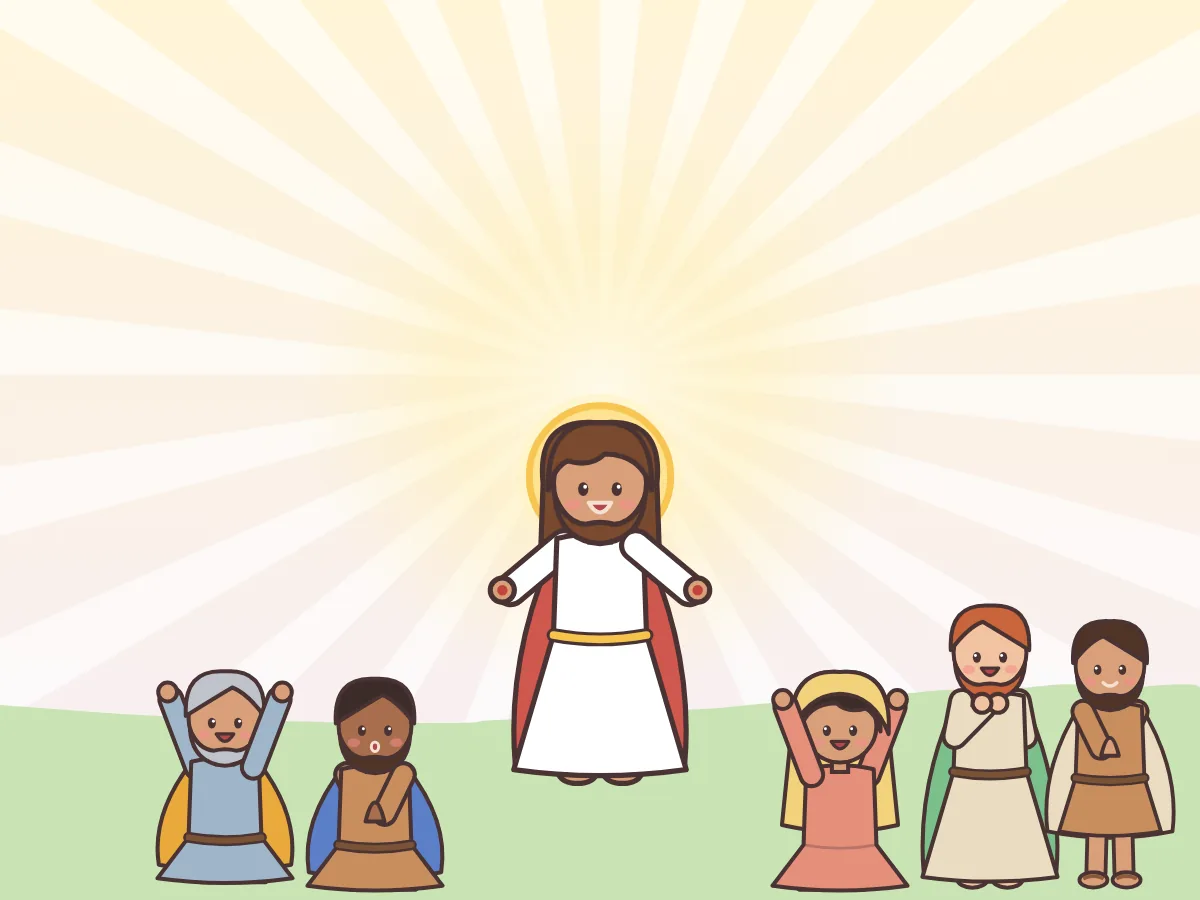
The Resurrection is not a story the disciples made up, nor the sighting of a ghost. The tomb was empty, and Jesus appeared many times: to Peter, to the Twelve, and to more than five hundred people at once. Frightened disciples became bold witnesses, ready to die for what they had seen.
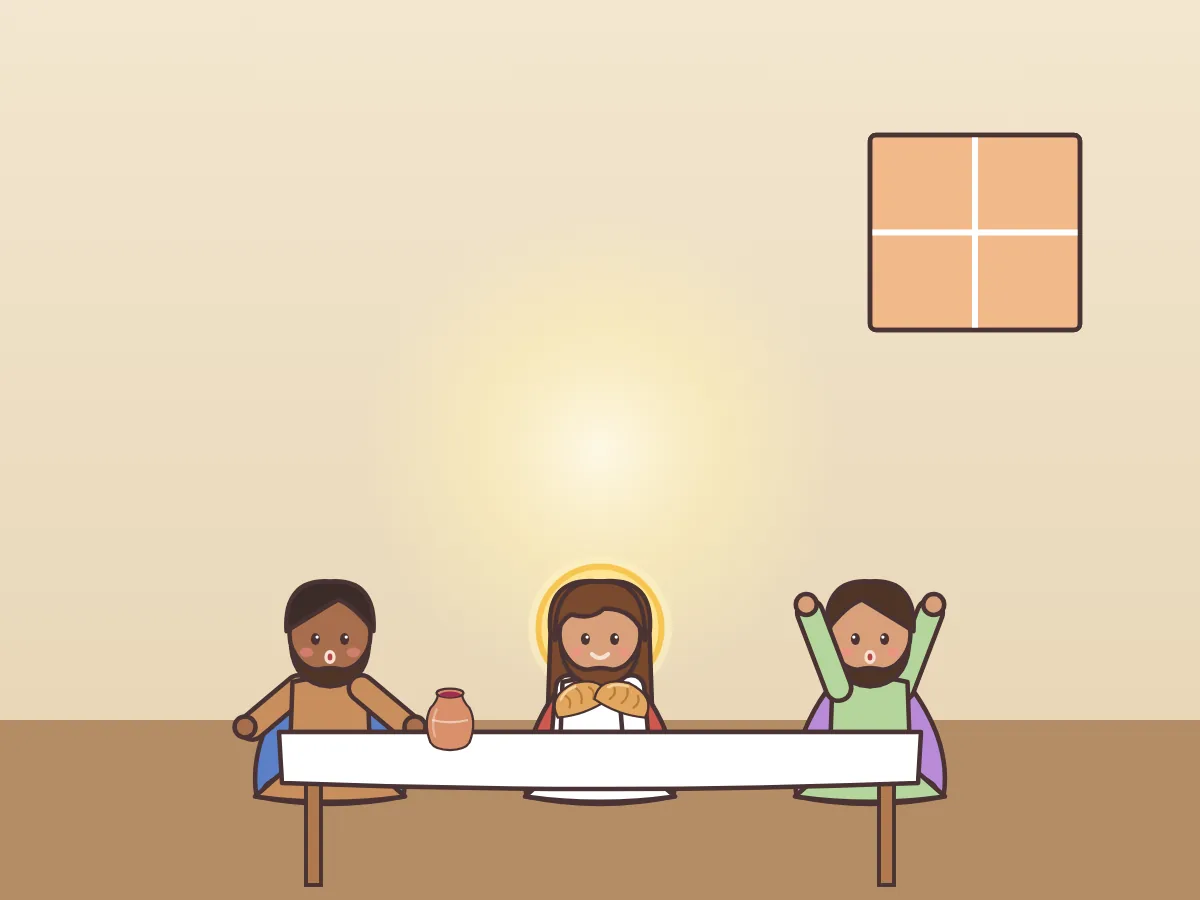
Jesus' risen body was real: the disciples touched Him, and He ate fish with them. But it was glorified: it could no longer die, He appeared in locked rooms, and at first He was not always recognized. On the road to Emmaus, two disciples recognized Him in the breaking of the bread.
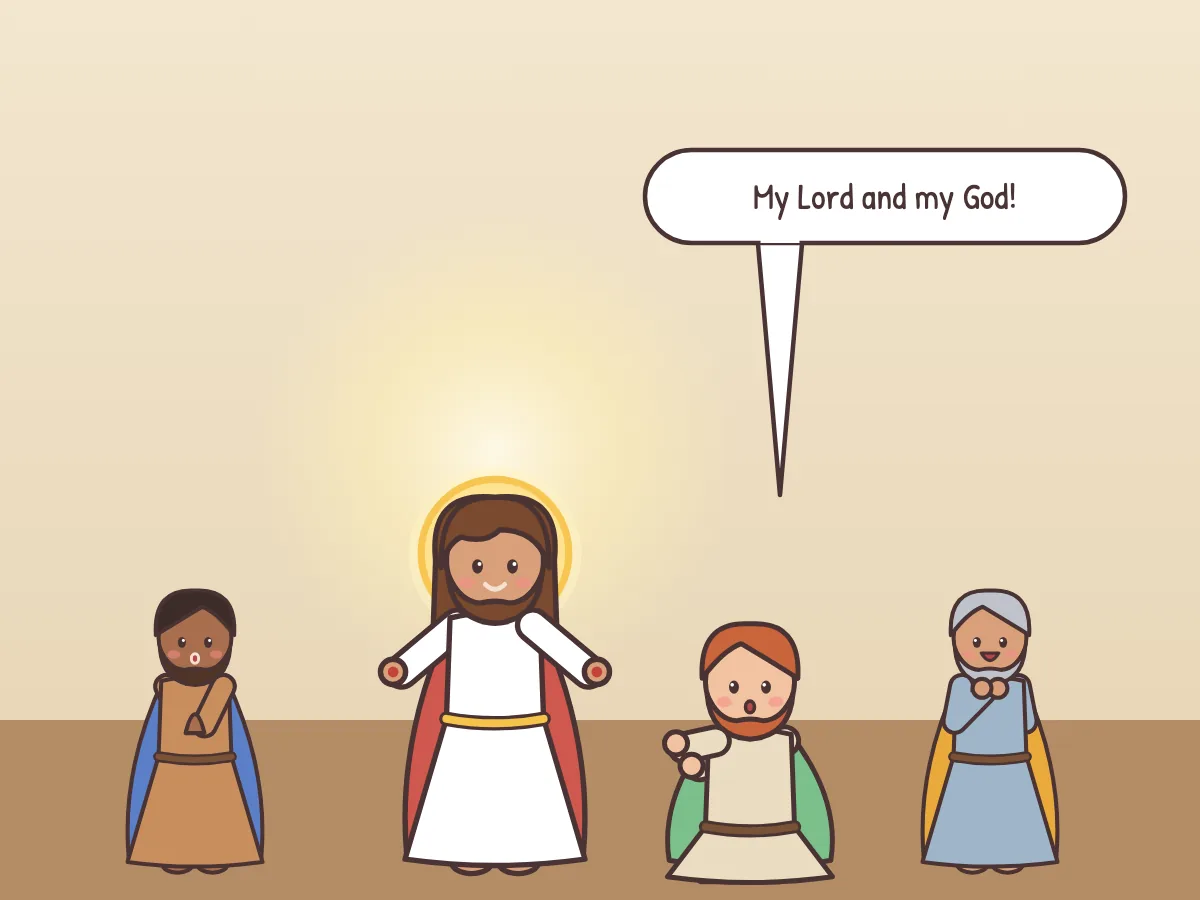
Thomas refused to believe until he could touch Jesus' wounds. A week later Jesus appeared and invited him to touch. Thomas cried out, “My Lord and my God!” Jesus said: “Blessed are those who have not seen and yet believe.” That means us.
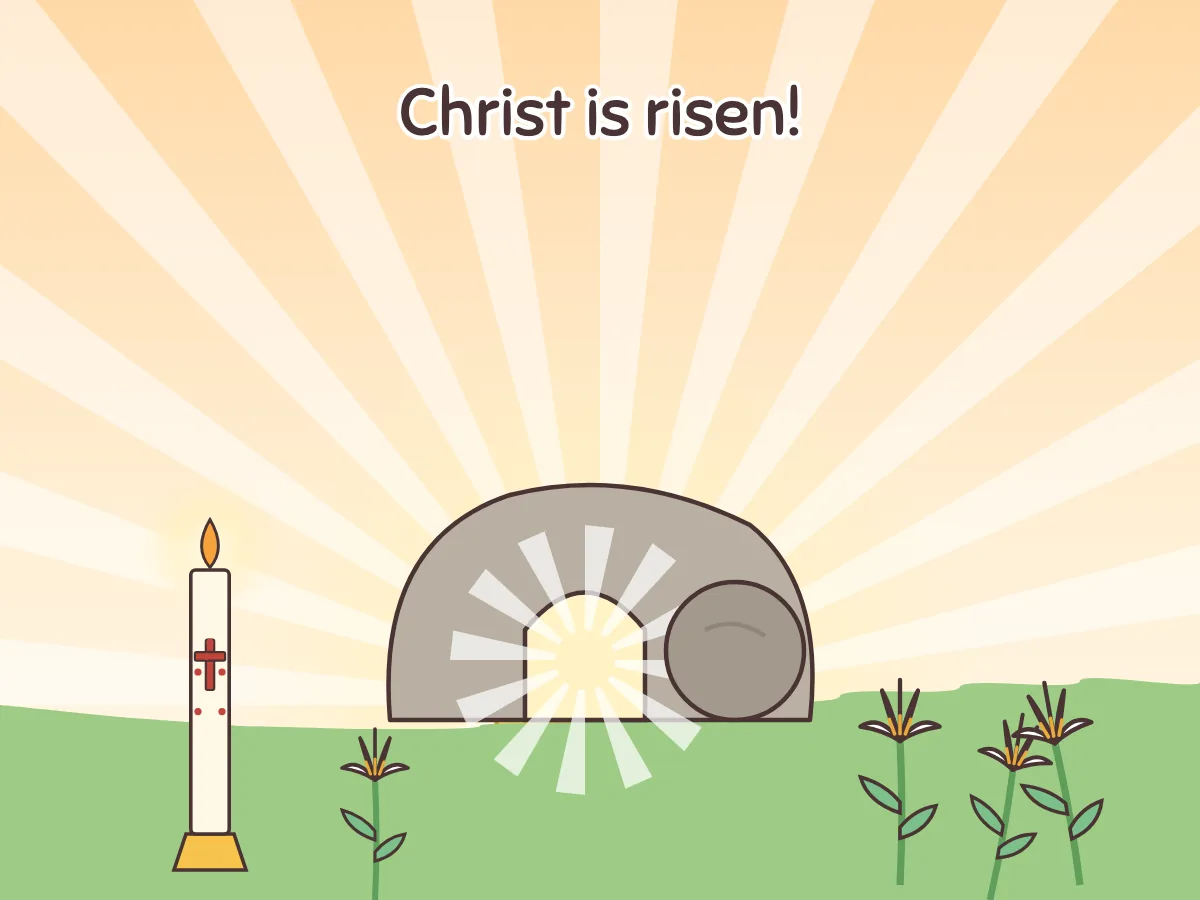
Saint Paul wrote that if Christ has not been raised, our faith is in vain. The Resurrection shows that Jesus is God, that His sacrifice has saved us, and that death does not have the last word. One day our own bodies will rise too.
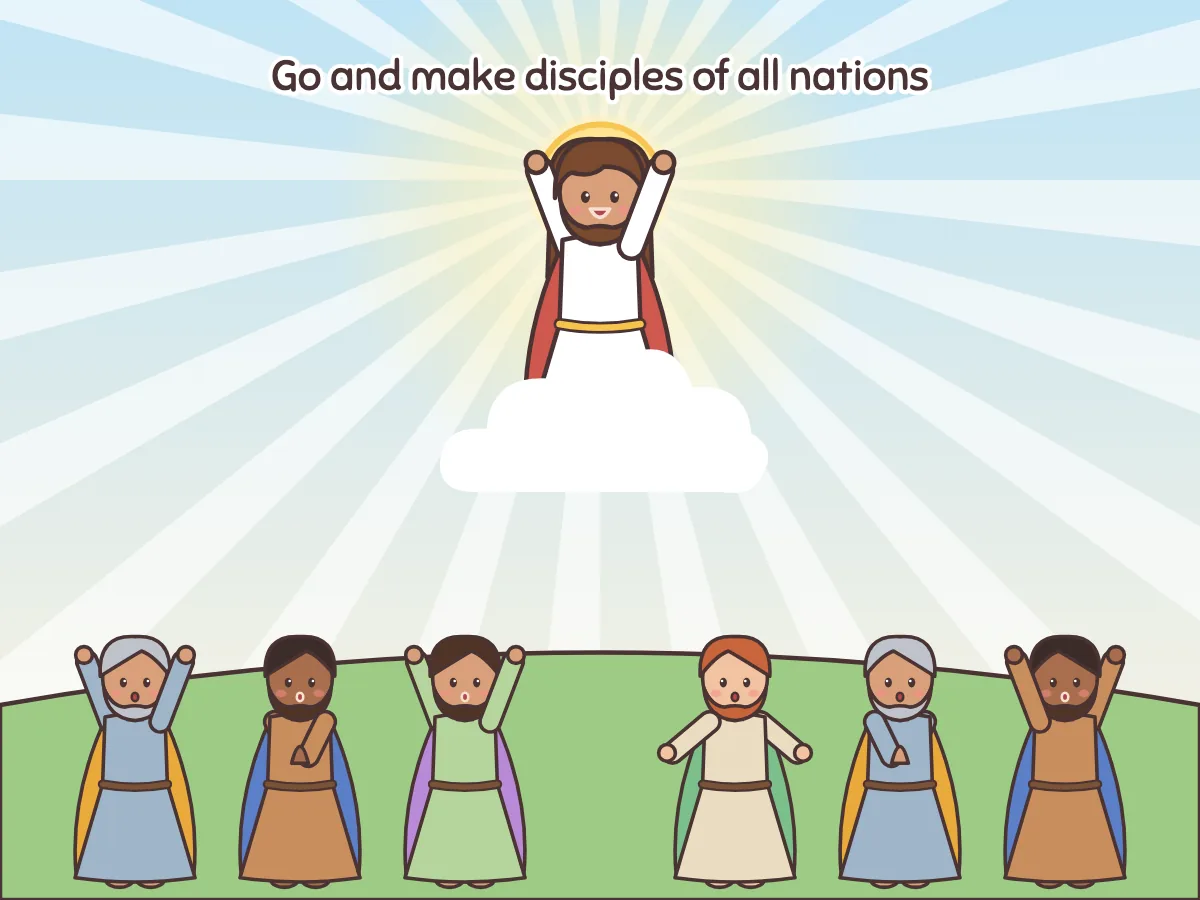
After forty days, Jesus led His disciples to a mountain and gave them the Great Commission: “Go and make disciples of all nations, baptizing them… and behold, I am with you always.” Then He ascended into heaven. He went to prepare a place for us, and He will come again in glory.