
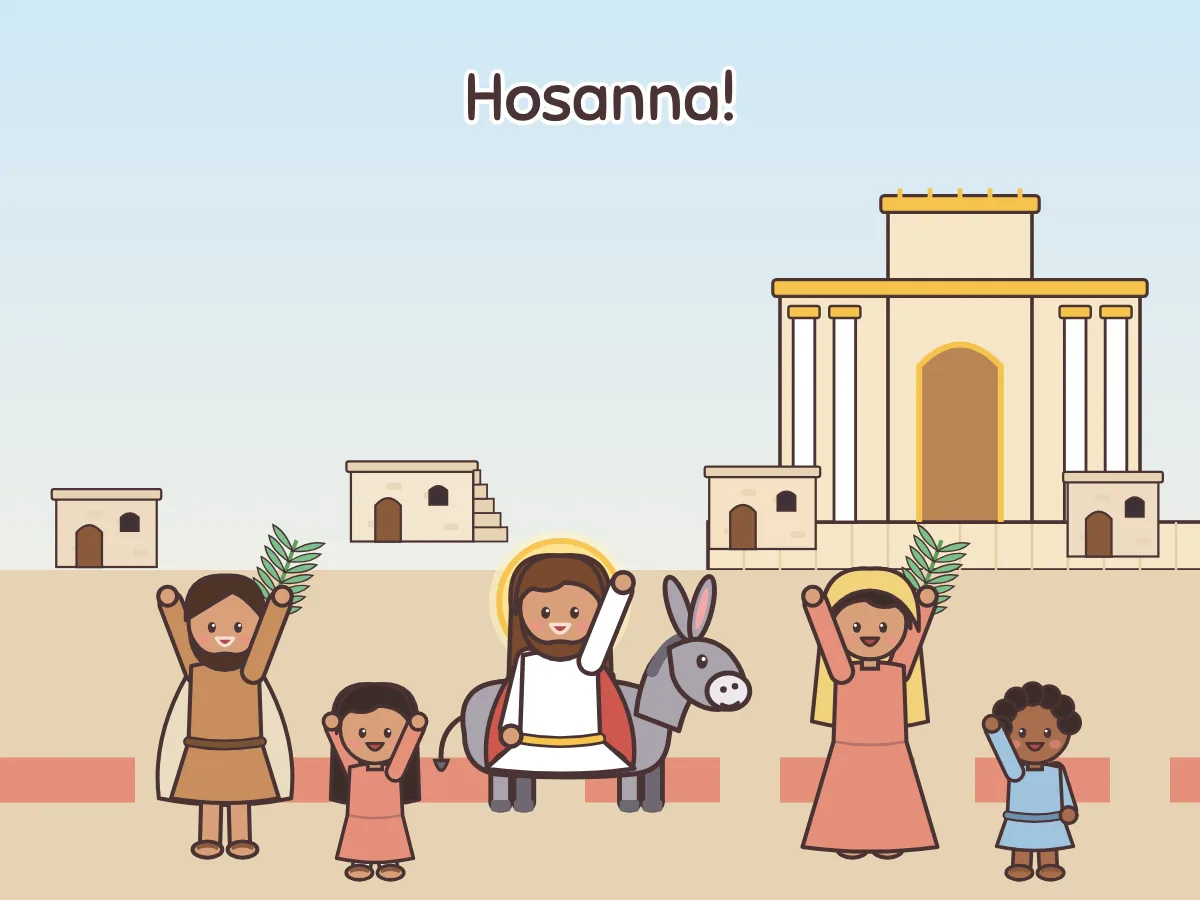
On Palm Sunday Jesus rode into Jerusalem on a donkey, and crowds waved branches, shouting “Hosanna!” But some religious leaders saw Him as a threat, and Judas, one of the Twelve, agreed to betray Him for thirty pieces of silver.
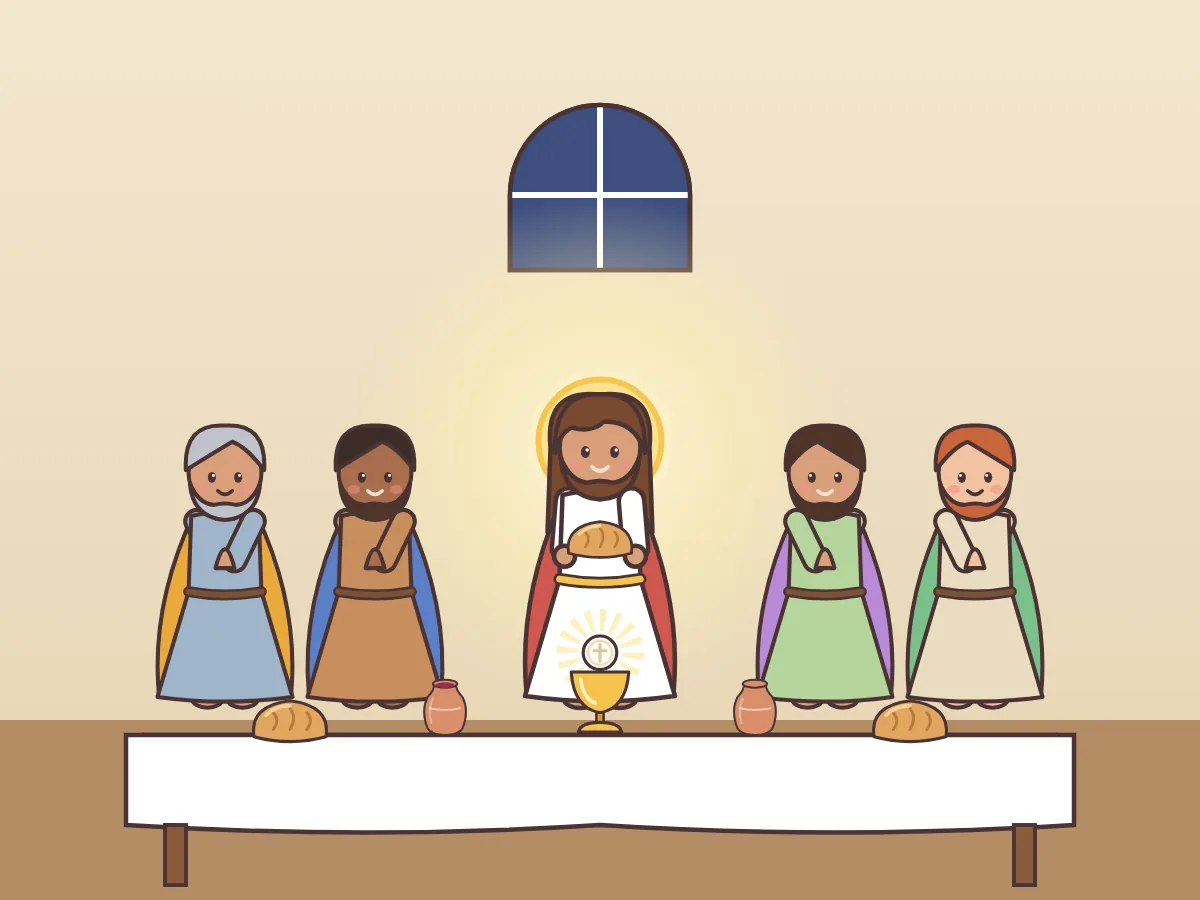
On Thursday evening, at Passover time, Jesus shared a last meal with His apostles. He washed their feet like a servant and gave them a new commandment: “Love one another as I have loved you.” Then He took bread: “This is my body, which is given for you,” and the cup: “This cup is the new covenant in my blood. Do this in memory of me.” He gave us the Eucharist and the priesthood.
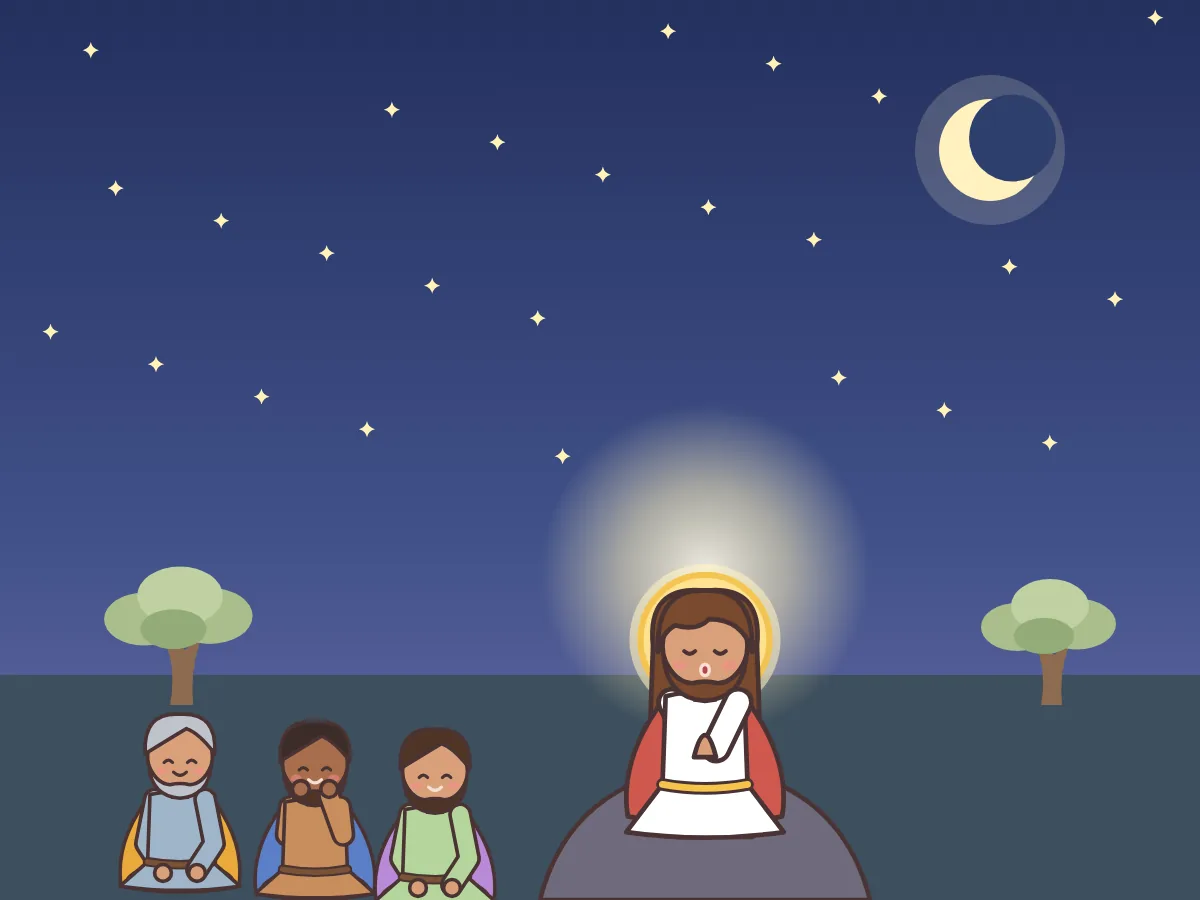
In the garden of Gethsemane, Jesus prayed in agony: “Father, not my will, but yours, be done.” He was arrested, His friends ran away, and Peter denied Him three times. He was tried before the high priest and then before Pontius Pilate, the Roman governor, who knew He was innocent but sentenced Him to be crucified.
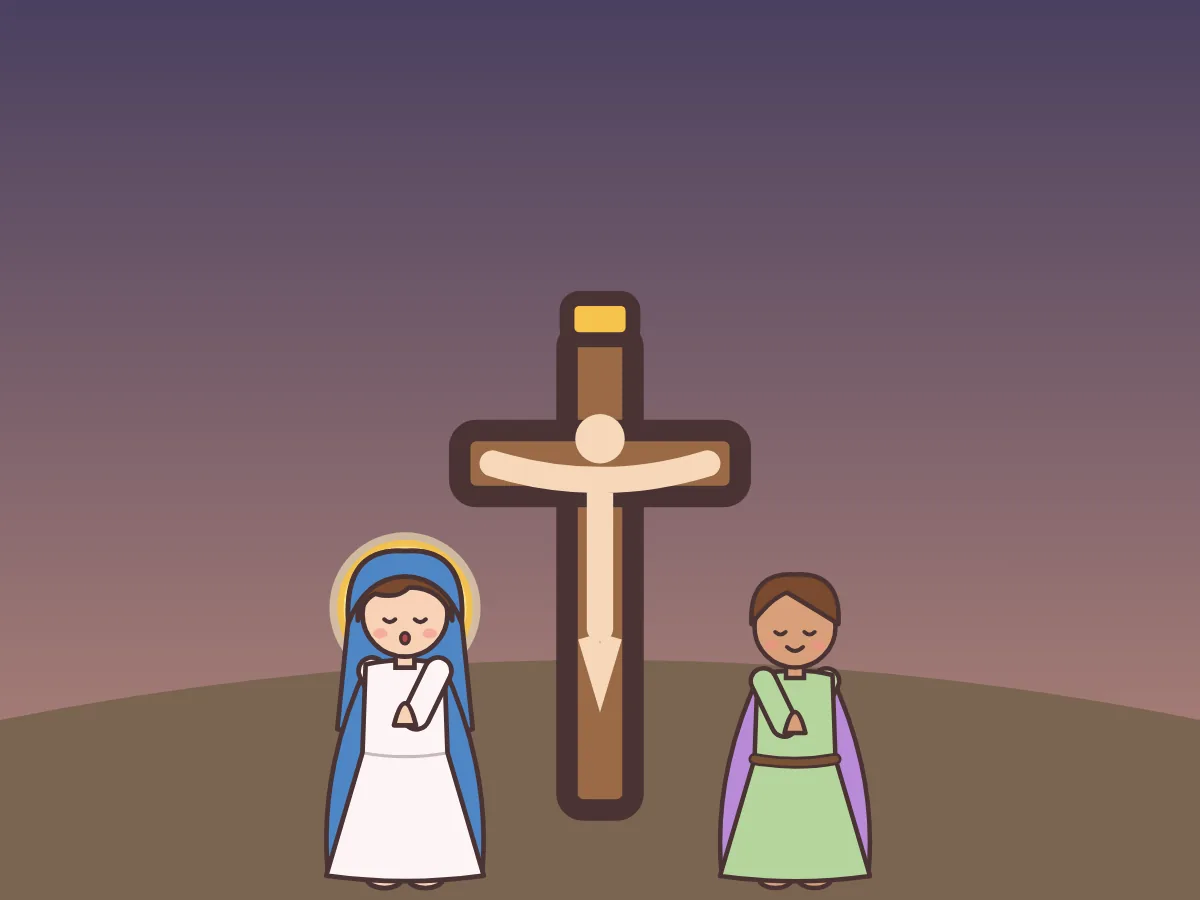
Jesus was scourged, crowned with thorns and made to carry His cross to Golgotha, where He was crucified between two criminals. From the cross He forgave: “Father, forgive them, for they know not what they do.” He promised the repentant thief paradise and gave His mother to the beloved disciple, John.
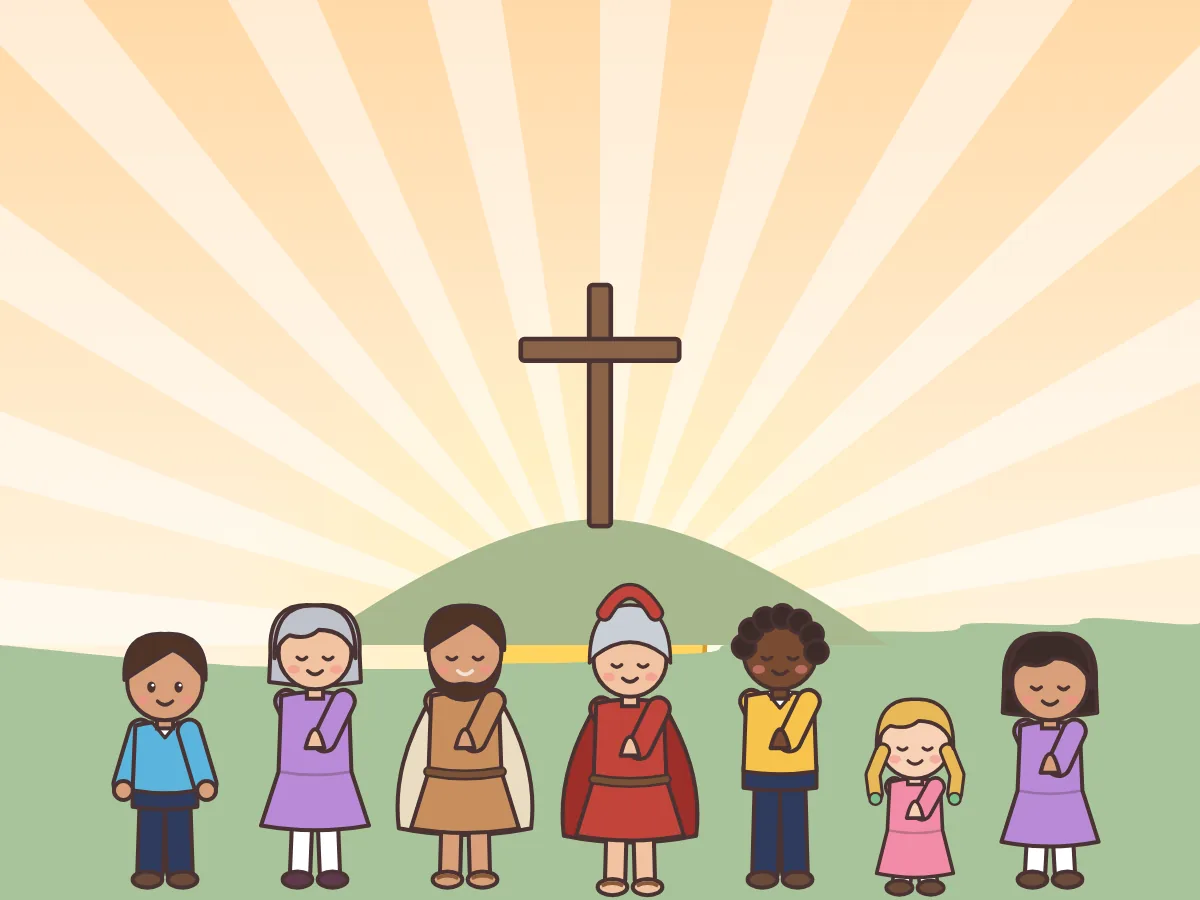
Who is responsible for Jesus' death? The Church teaches that it must not be blamed on the Jewish people as a whole, then or now. All sinners share responsibility, and that includes each of us. Above all, Jesus freely laid down His life: “No one takes it from me.”
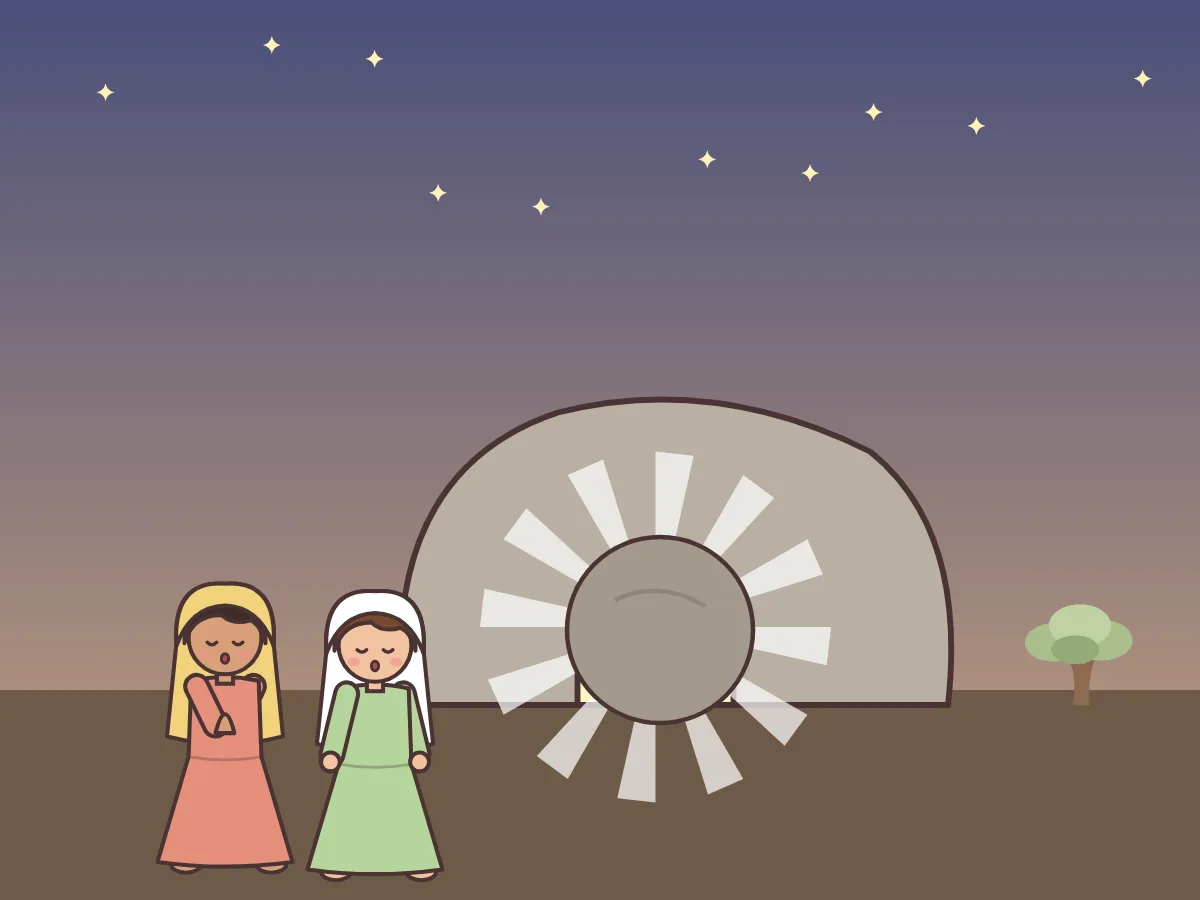
Jesus died on Good Friday at three in the afternoon, saying, “It is finished.” He offered His life as the perfect sacrifice for the sins of the whole world, out of love for every person. His body was laid in a tomb, and a great stone was rolled across the entrance.