
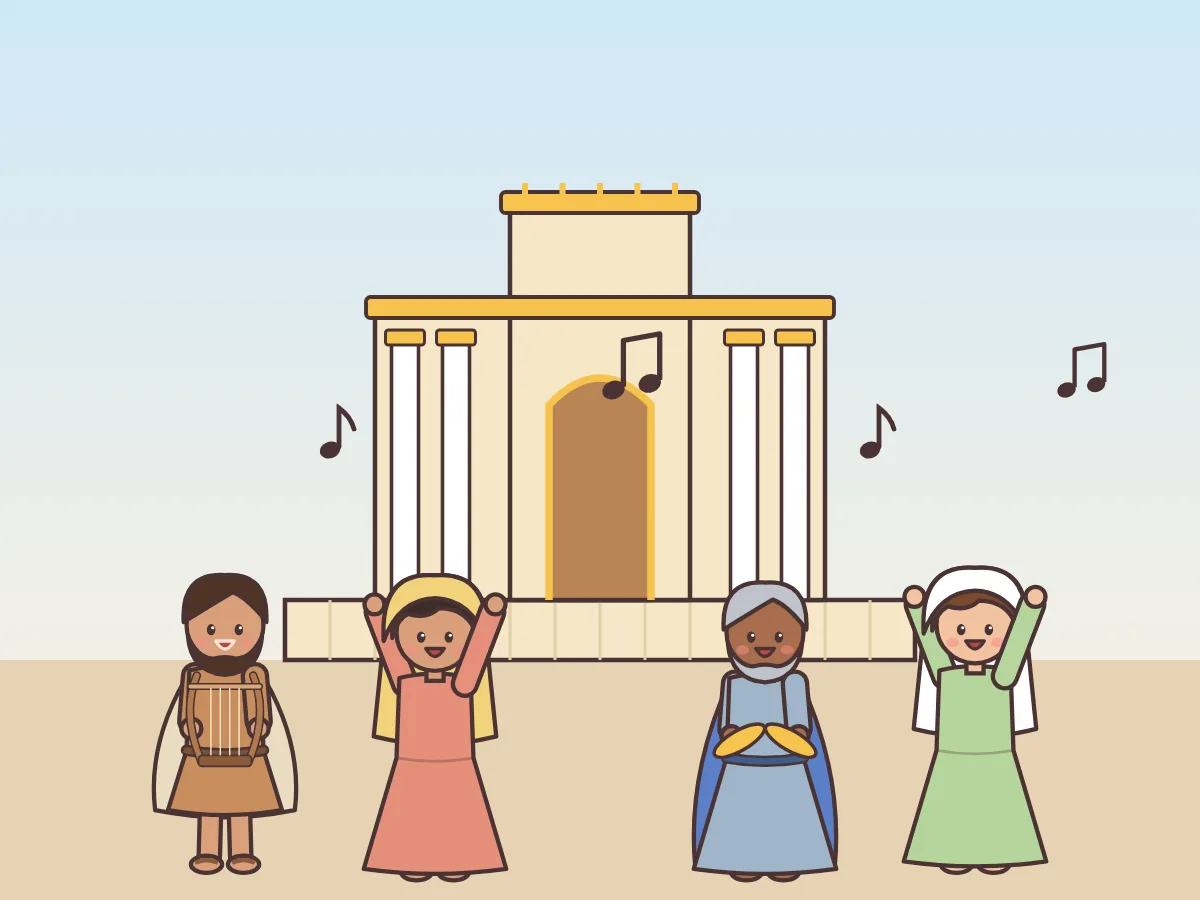
The Wisdom Books of the Old Testament include Job, Proverbs and Ecclesiastes, and the best loved of all: the Book of Psalms, 150 sacred songs. The Psalms were Israel's prayer book, sung in the Temple, in synagogues and at home.
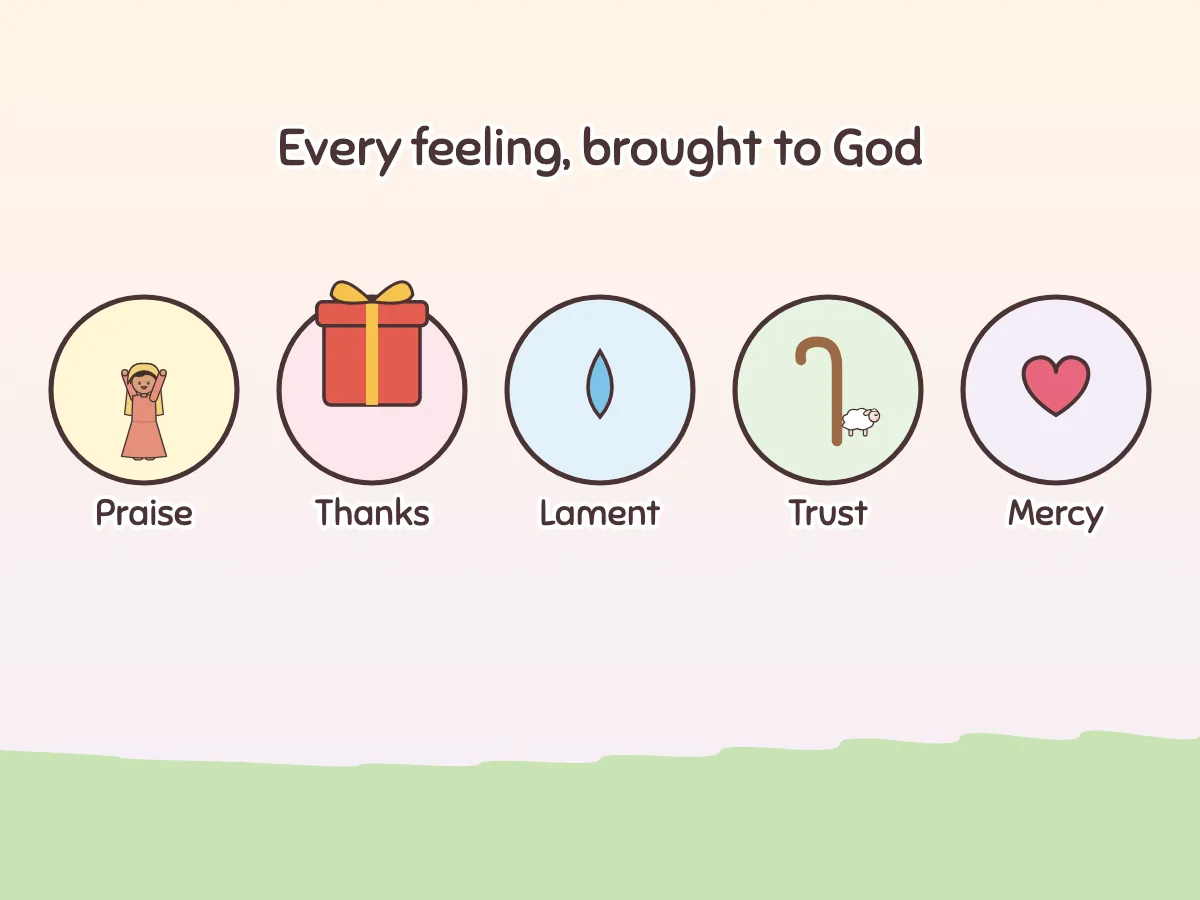
The Psalms put every feeling of the heart into words. There are psalms of:
- Praise: “Let everything that breathes praise the Lord!” (Psalm 150)
- Thanksgiving: for God's help and blessings.
- Lament: crying out in sadness, fear or even anger: “How long, O Lord?” (Psalm 13)
- Trust: “The Lord is my shepherd.” (Psalm 23)
- Repentance: asking for mercy, like Psalm 51.
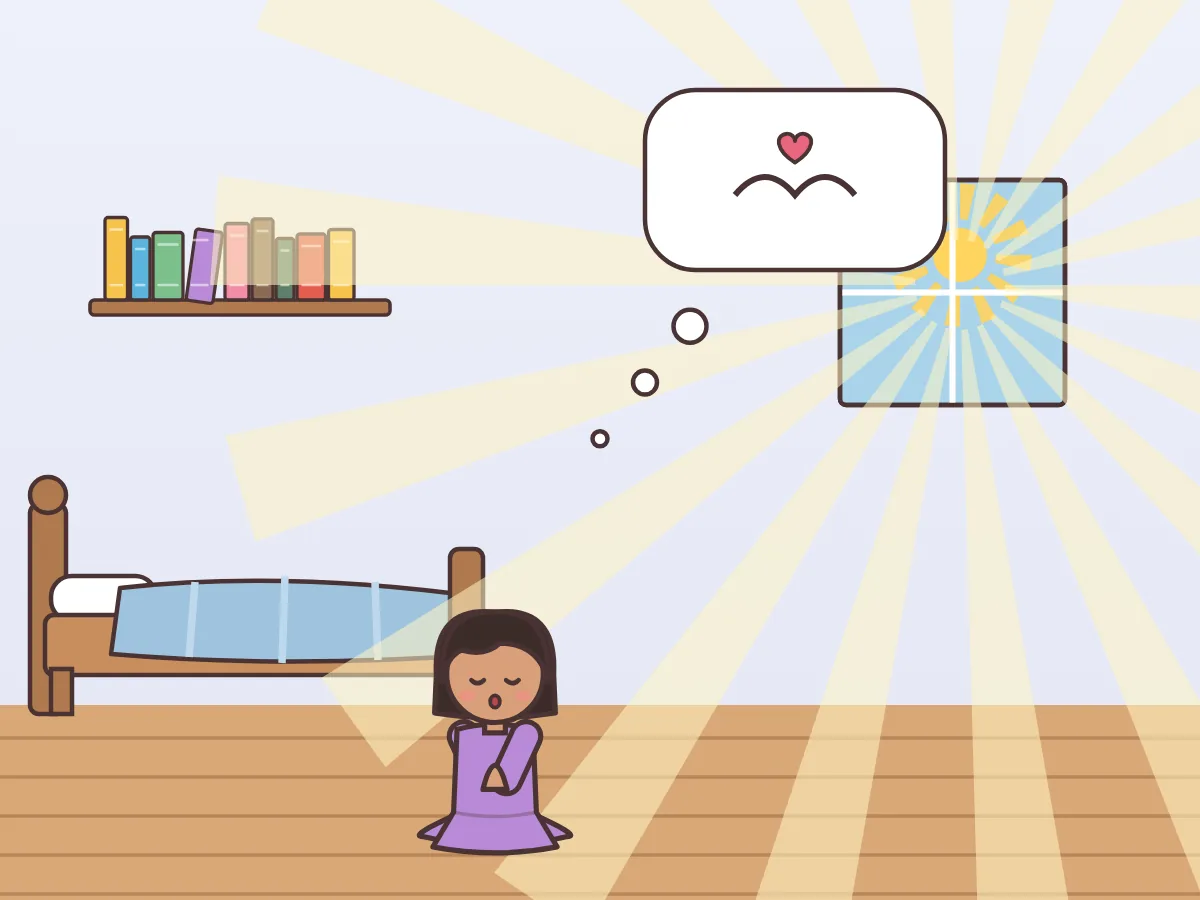
It might surprise you that the Bible includes sad and angry prayers. God wants our real feelings, not just nice words. Even a lament usually ends in trust, because honest prayer brings us closer to God.
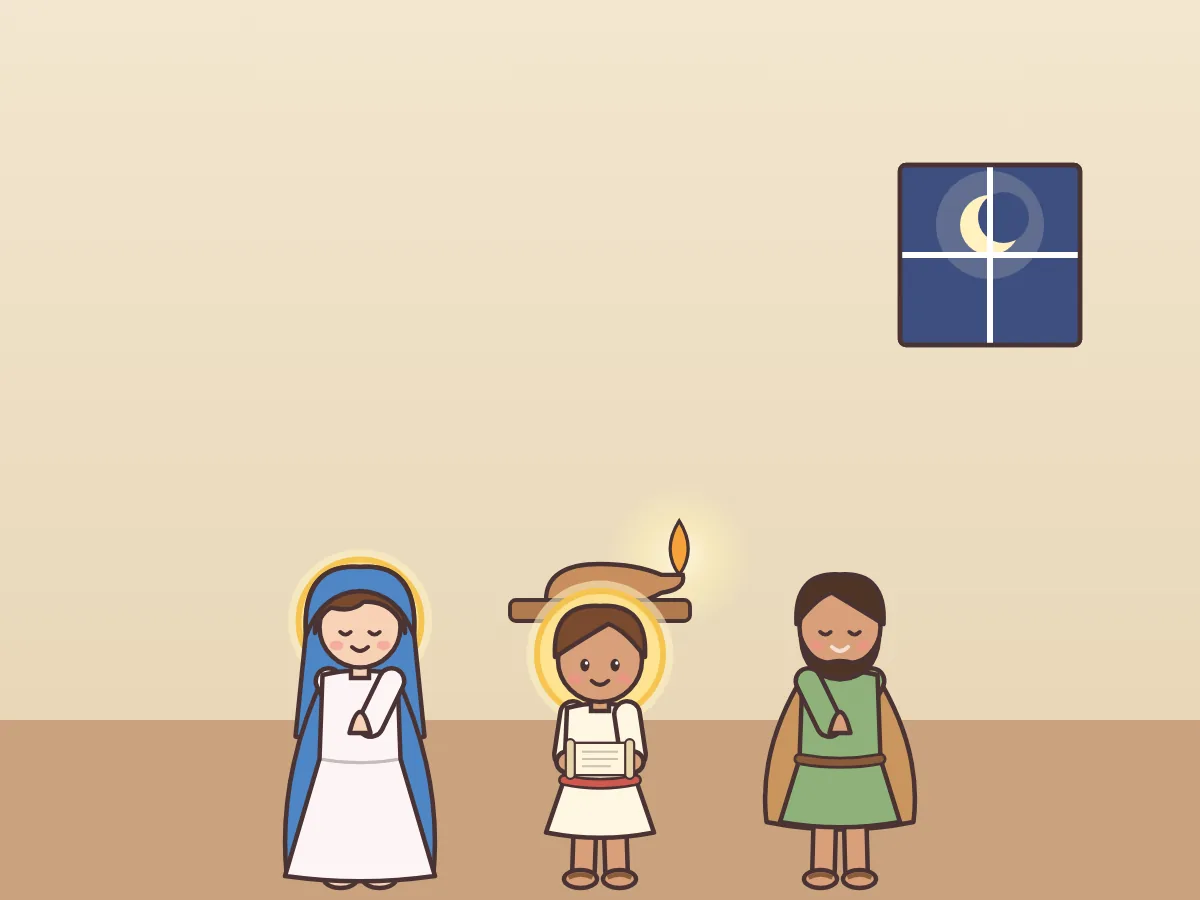
Jesus grew up praying the Psalms with Mary and Joseph. On the cross He prayed Psalm 22, “My God, my God, why have you forsaken me?”, a psalm that ends in victory, and Psalm 31: “Into your hands I commit my spirit.”
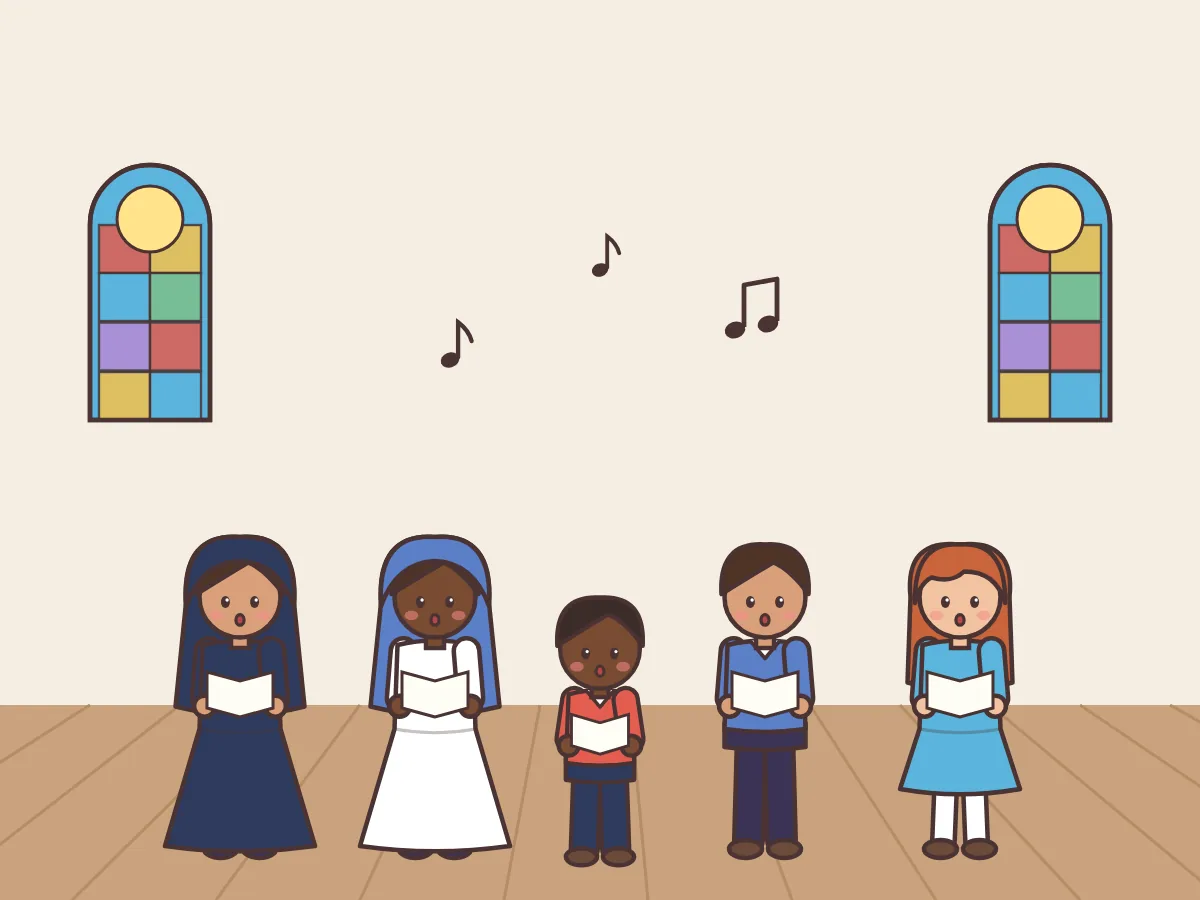
The Church still prays the Psalms every day in the Liturgy of the Hours. Priests, religious sisters and brothers, and many lay people pray them morning and evening, and at Mass we sing a psalm after the first reading. When you pray a psalm, you join a choir stretching back three thousand years.
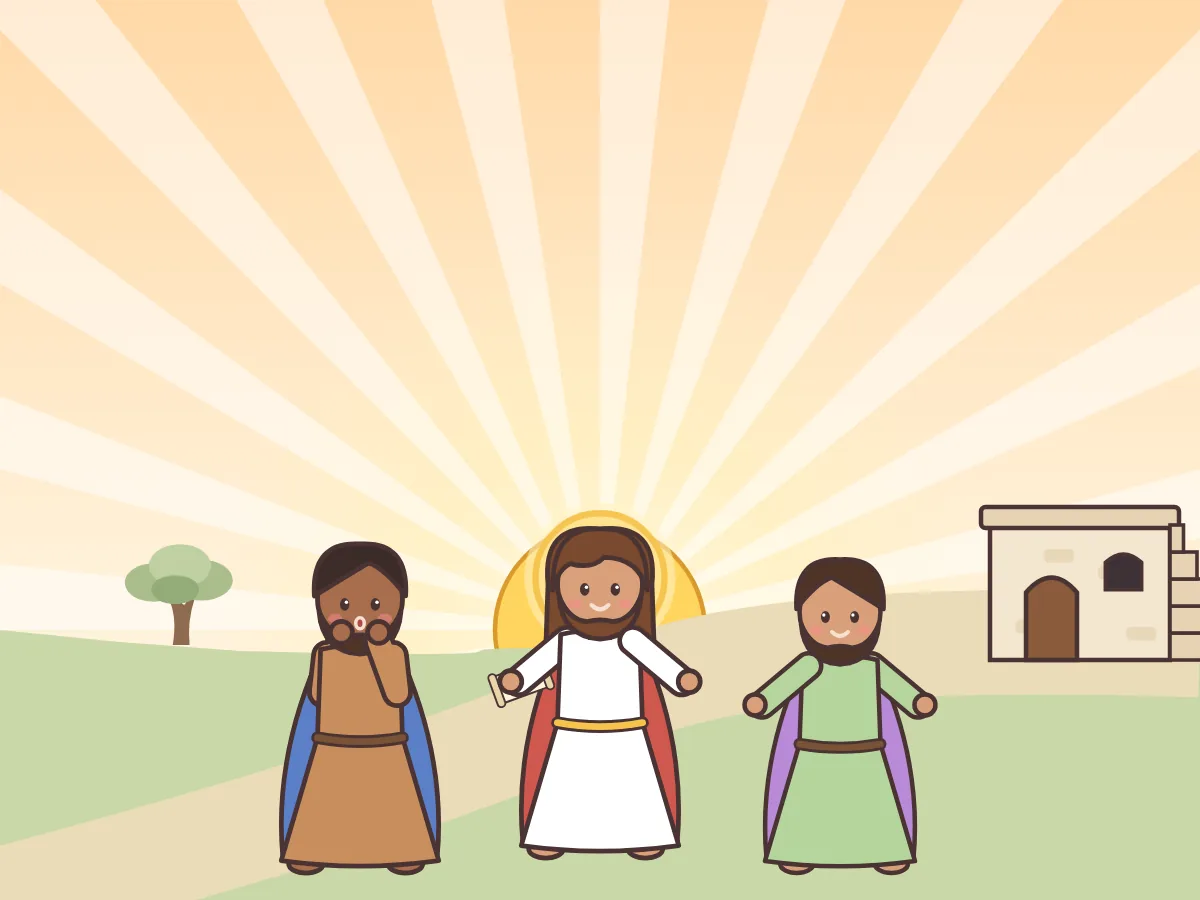
The Old Testament ends with a people still waiting. In Jesus, the waiting is over: He is the Good Shepherd of Psalm 23, the Son of David, the Lamb of God and the New Covenant. On the road to Emmaus, the risen Jesus showed two disciples how the whole Old Testament spoke about Him.