
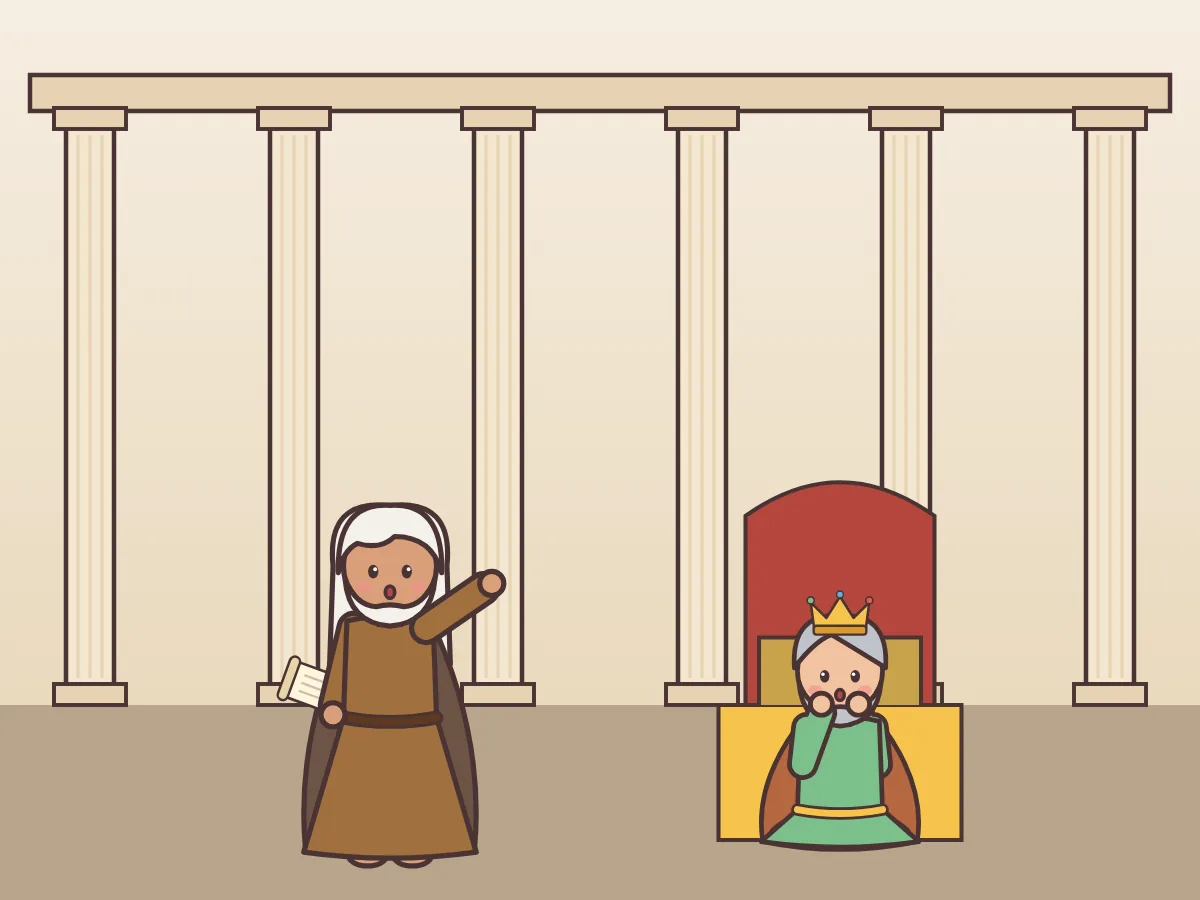
A prophet is not a fortune-teller. A prophet speaks for God: calling people back to the covenant, warning them about sin and injustice, and giving them hope. The prophets often spoke to kings who did not want to listen, and many suffered for telling the truth.
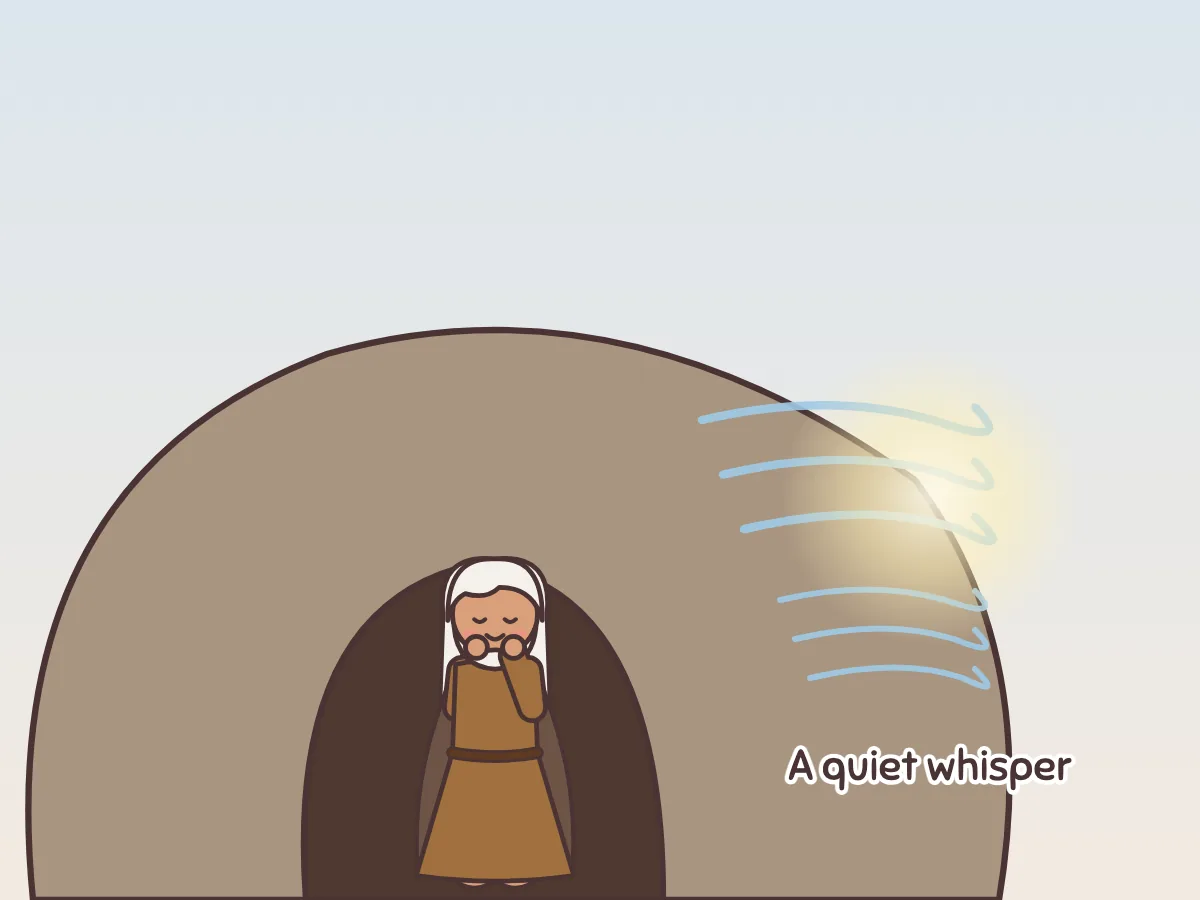
Elijah lived when King Ahab and Queen Jezebel led Israel to worship the false god Baal. On Mount Carmel, Elijah challenged Baal's prophets, and God sent fire from heaven. Later, tired and afraid, Elijah hid in a cave. God came to him not in the wind, the earthquake or the fire, but in a quiet whisper.
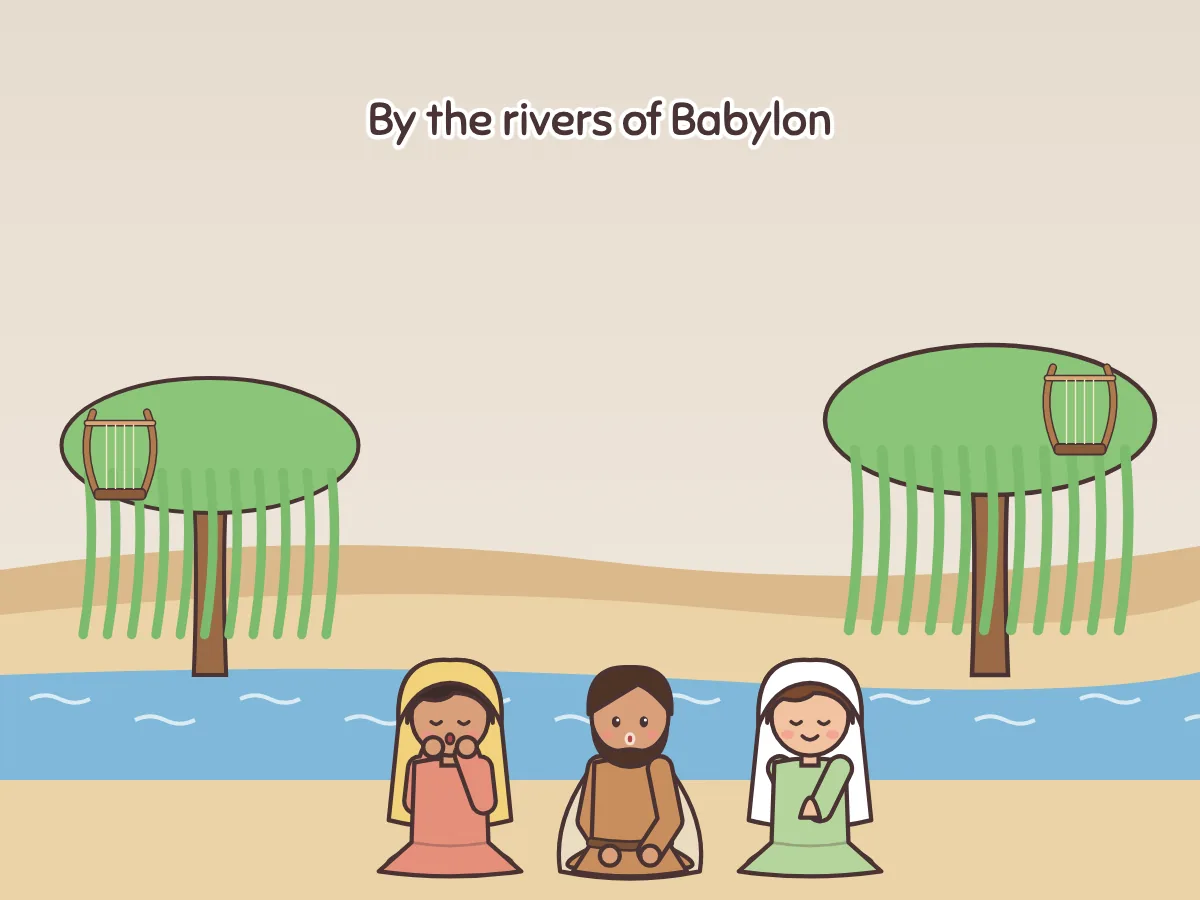
The prophets warned that turning away from God would bring disaster. In 587 BC the Babylonians destroyed Jerusalem and the Temple and carried the people off into exile. Far from home they wept, but they also learned to gather, pray and treasure God's word in a new way.
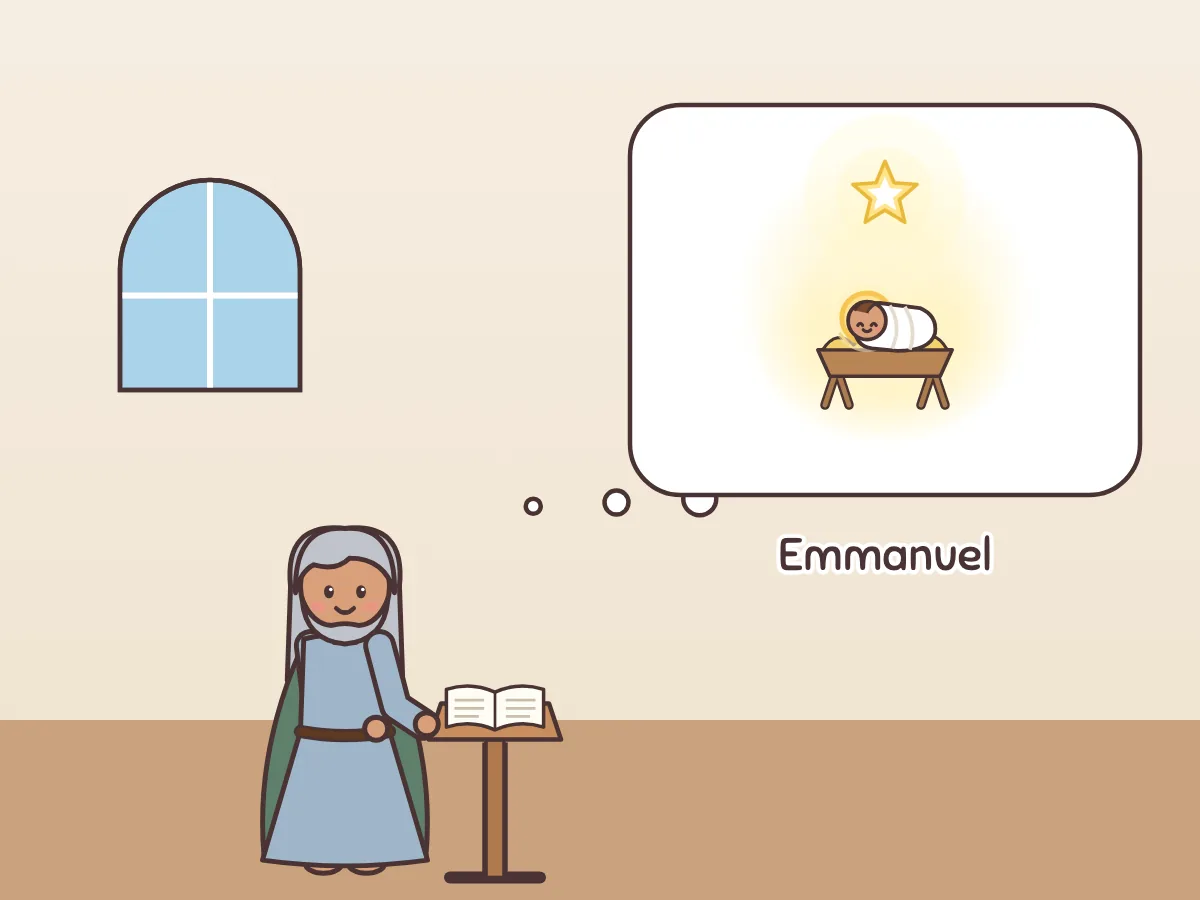
Isaiah announced a child called Emmanuel, “God with us,” to be born of a virgin: a Wonderful Counselor and Prince of Peace. He also described a Suffering Servant, “wounded for our transgressions,” whose suffering would heal many. Christians recognize Jesus in these prophecies.
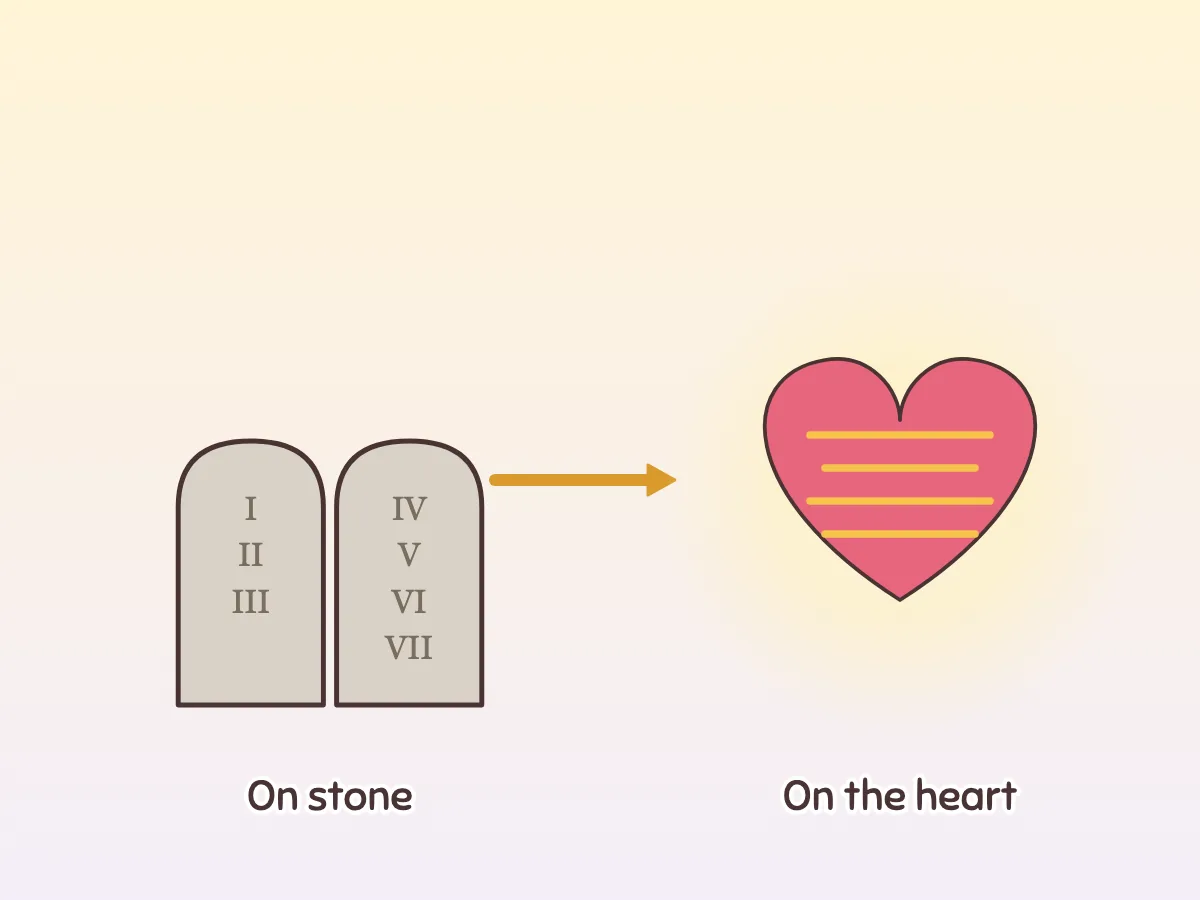
Jeremiah promised a New Covenant: God would write His law not on stone but on hearts. Ezekiel saw a valley of dry bones come to life when God's Spirit breathed on them. God was promising a new heart, new life and His own Spirit.
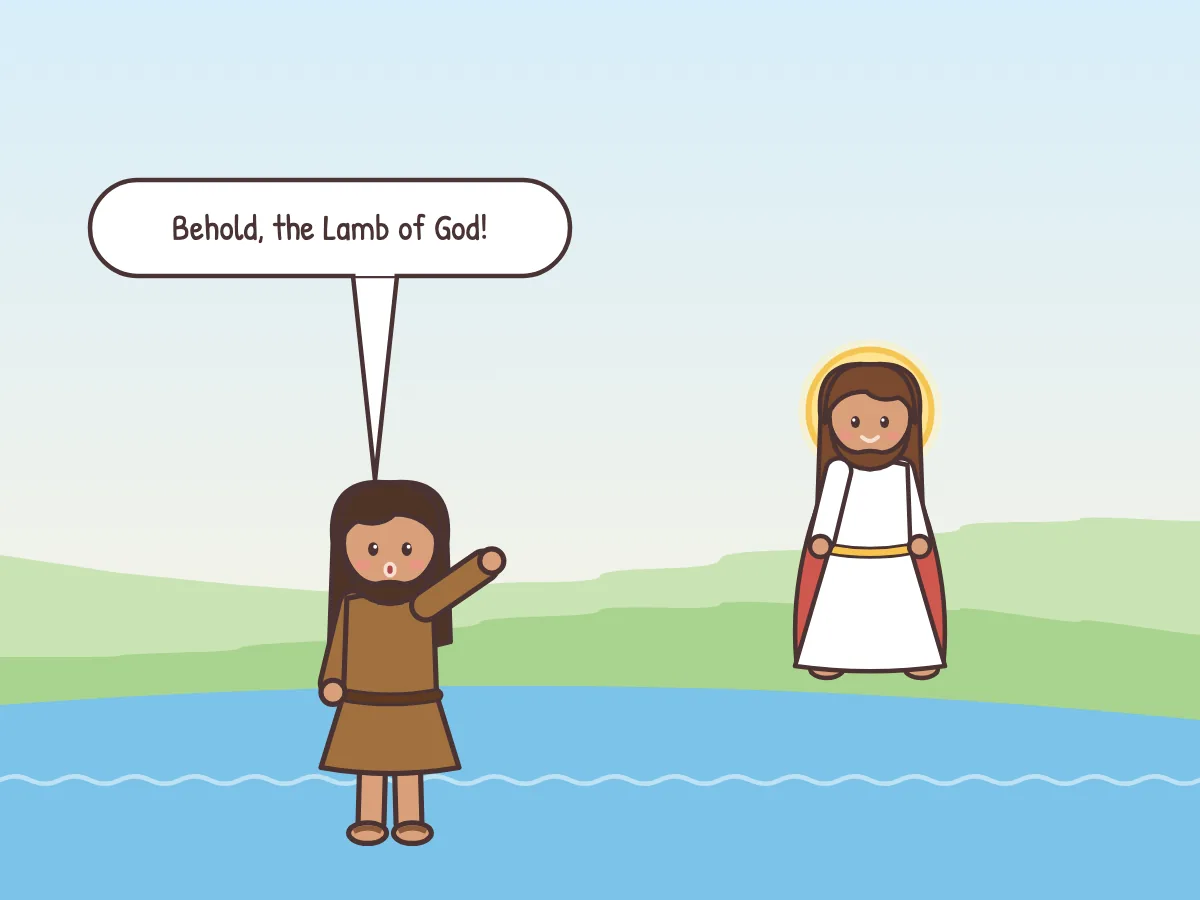
Decades later, the Persian king Cyrus let the exiles go home, and they rebuilt the Temple and waited. The last of the prophets was John the Baptist, who pointed to Jesus and said, “Behold, the Lamb of God.” In Jesus, all the prophets' hopes come true.