
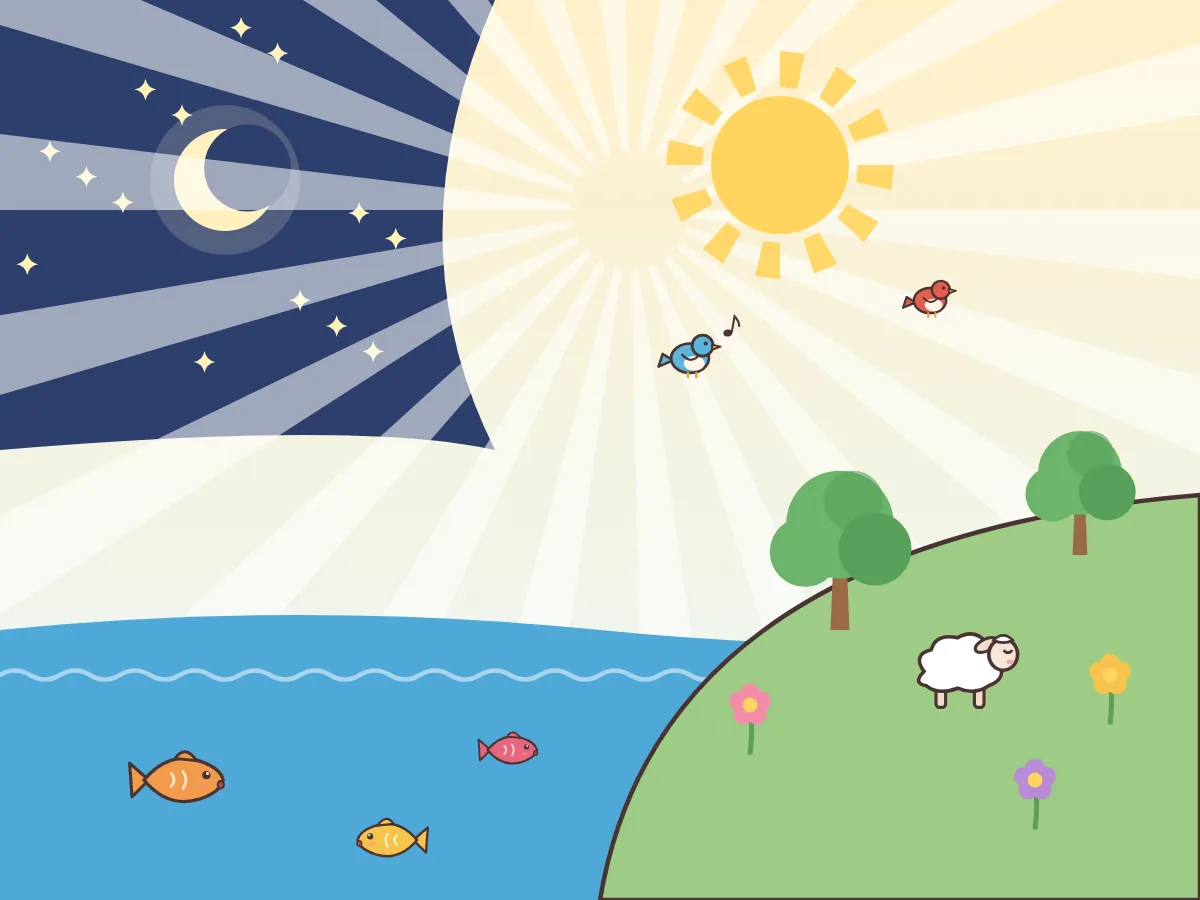
The Bible opens with a great hymn of creation. Over six “days” God speaks, and light, sky, sea, land, plants, stars and animals come to be; on the seventh day He rests. Genesis is not a science textbook. It teaches the truths that matter most: God made everything out of nothing, freely and out of love, and everything He made is good.
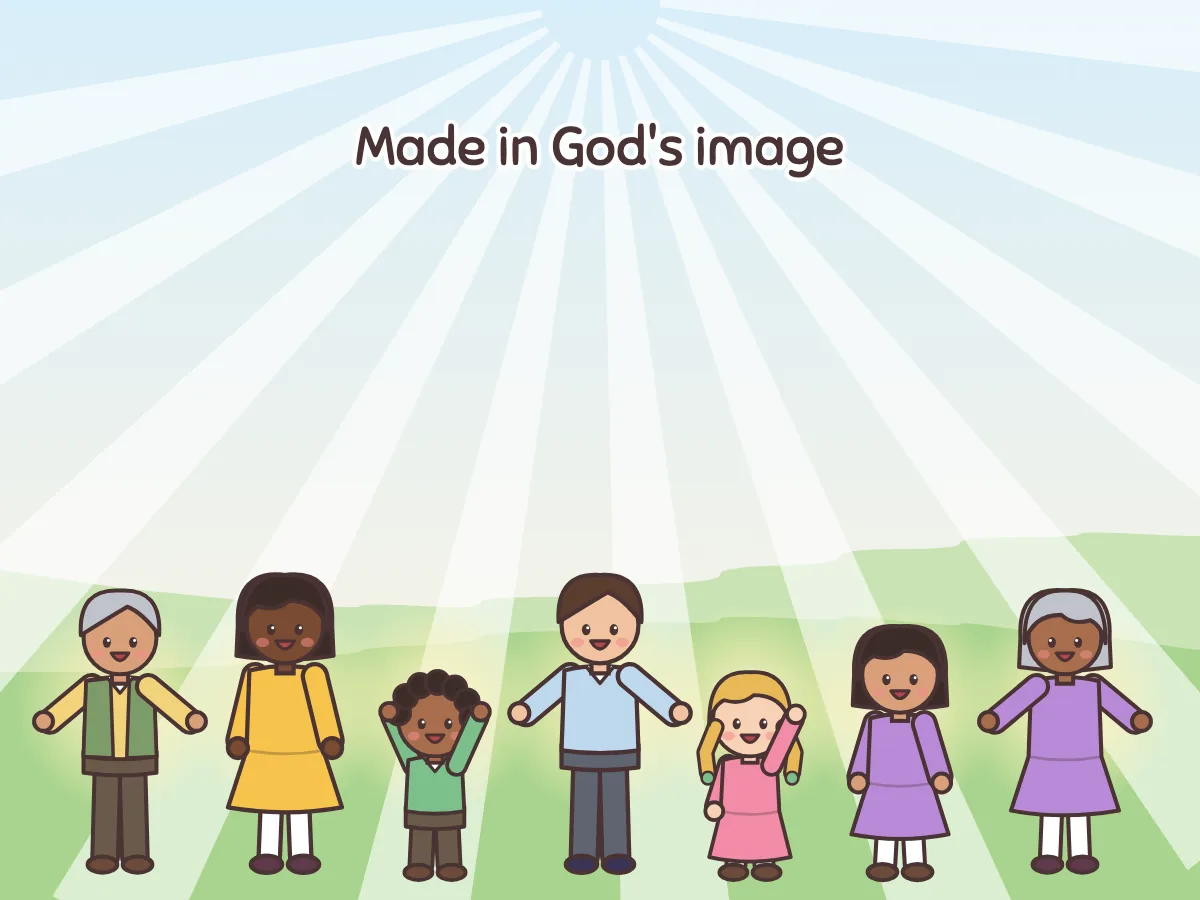
Then God created human beings in His own image: “male and female he created them.” Being made in God's image means we can think, choose, love and know God. Every person, of every age, ability and color, shares this dignity.
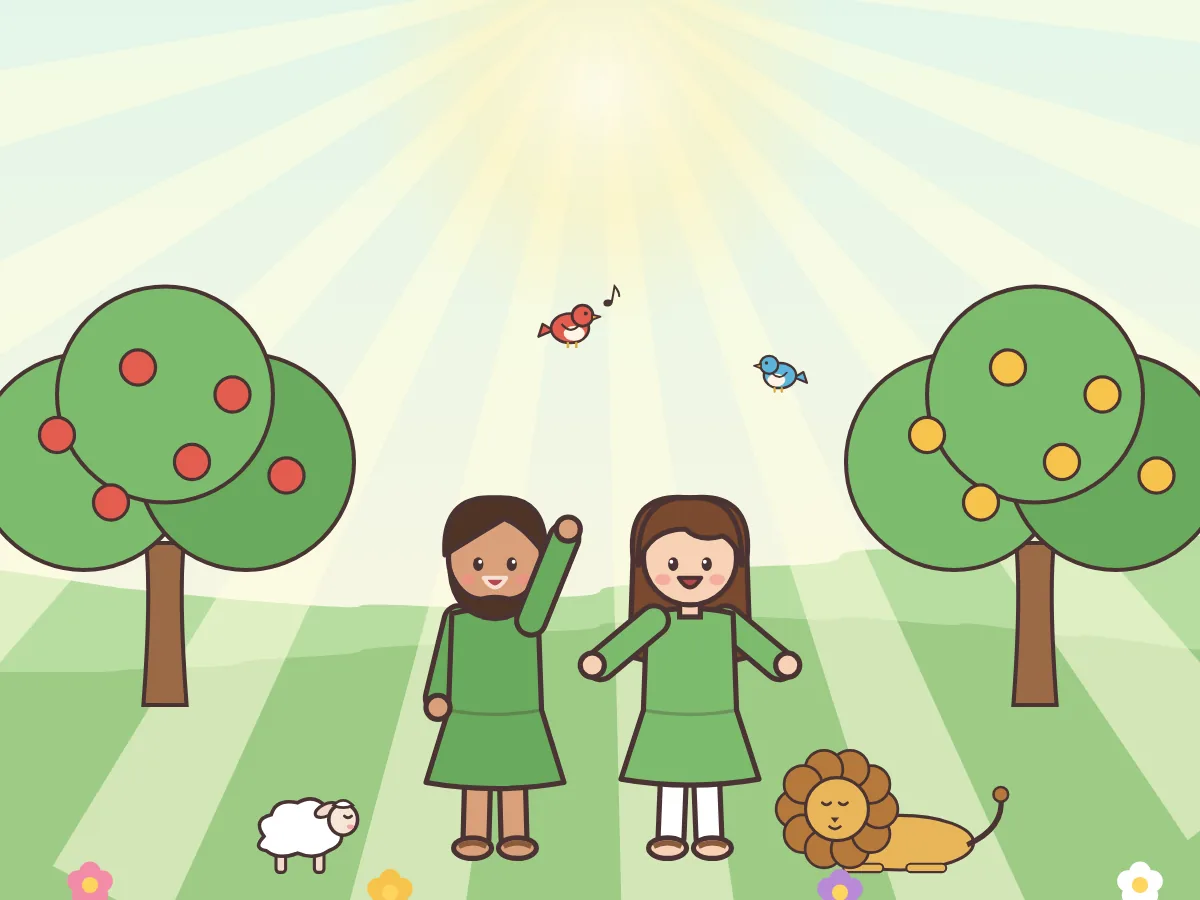
Genesis 2 tells the story up close. God forms the man from the dust and breathes life into him, places him in a garden, and creates the woman as his partner. Adam and Eve lived in friendship with God, with each other and with all creation. The Church calls this original holiness and justice.
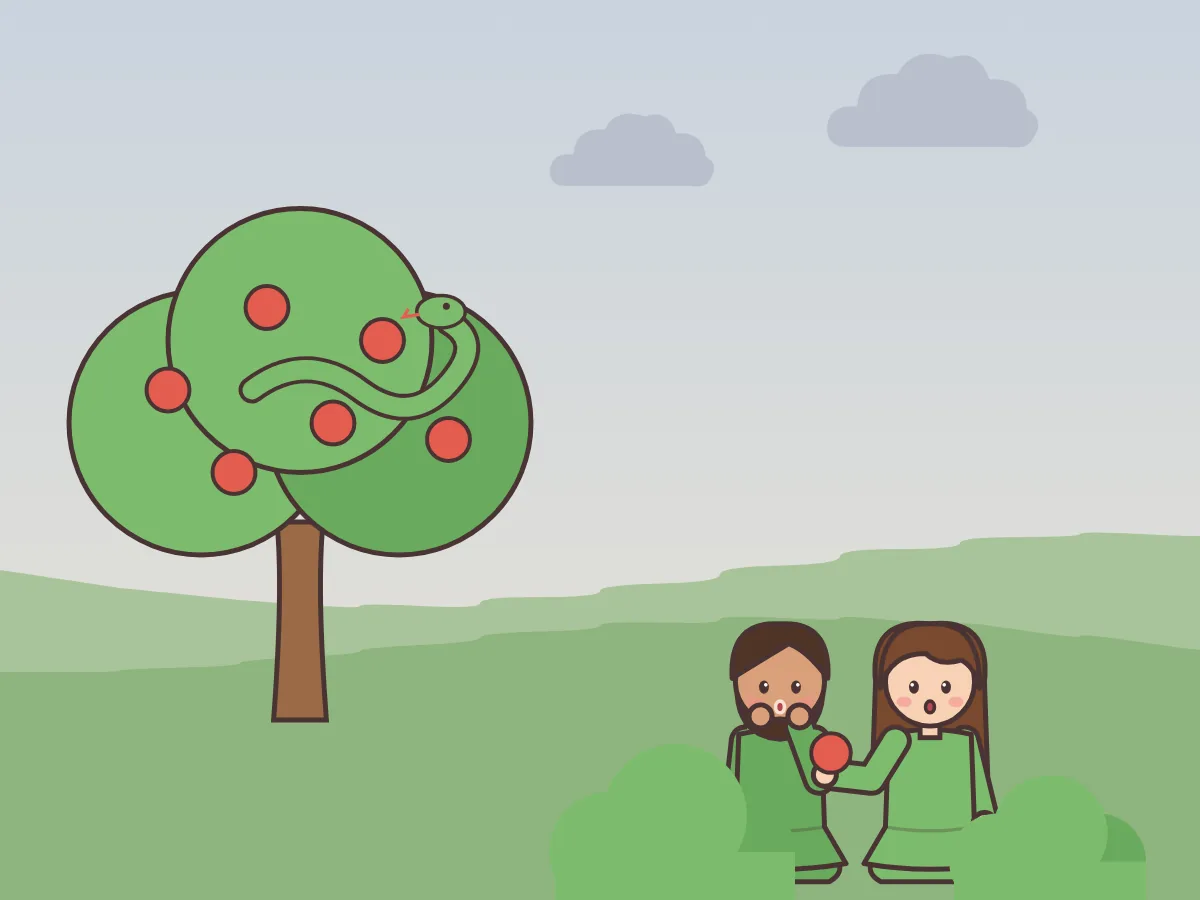
The story of the Fall uses figurative language, but it tells of a real event at the beginning of human history. Tempted by the serpent, Adam and Eve stopped trusting God and chose to disobey Him. At once everything changed: they hid from God, blamed each other, and suffering and death entered the world.
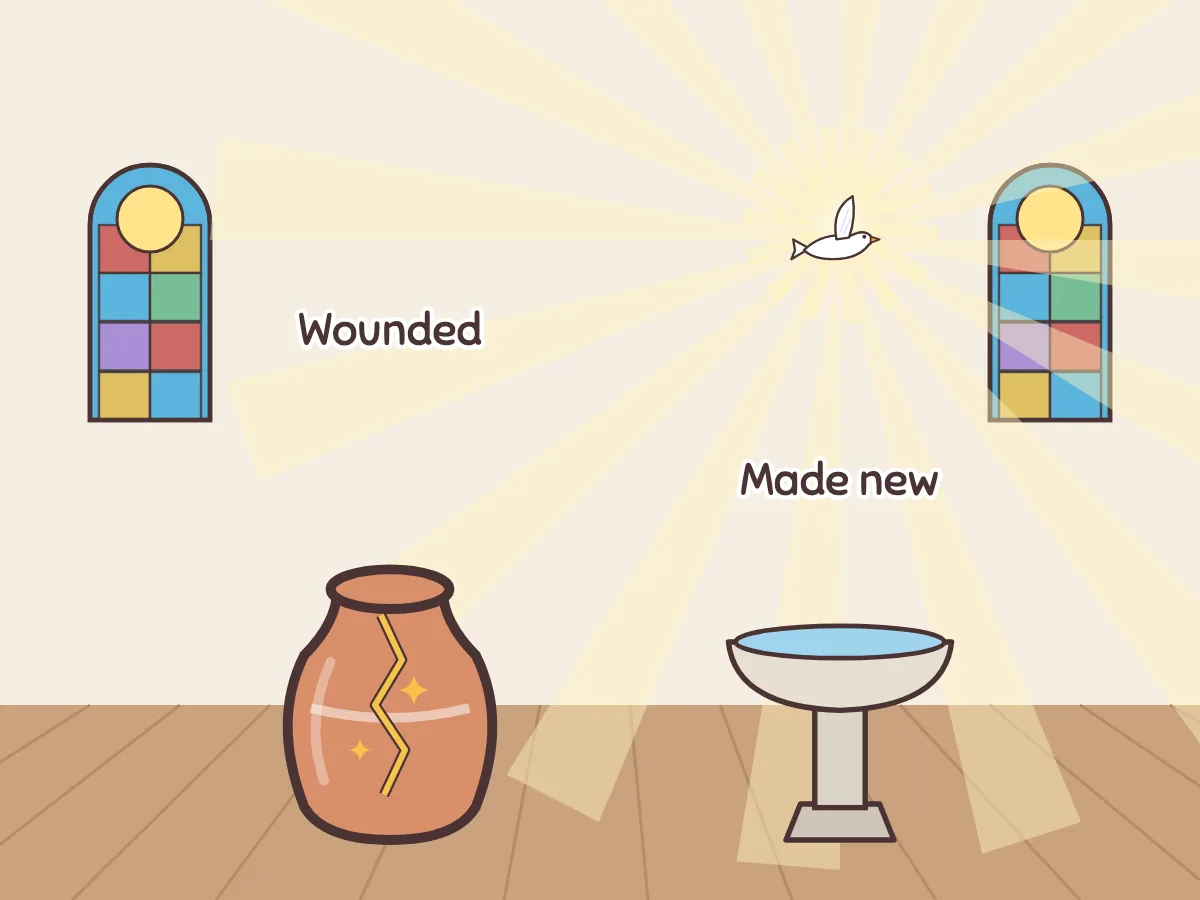
This first sin is called original sin. We did not commit it ourselves, but we inherit a human nature wounded by it: we suffer, we die, and we feel a pull toward sin. Baptism washes away original sin, though the struggle against temptation remains.
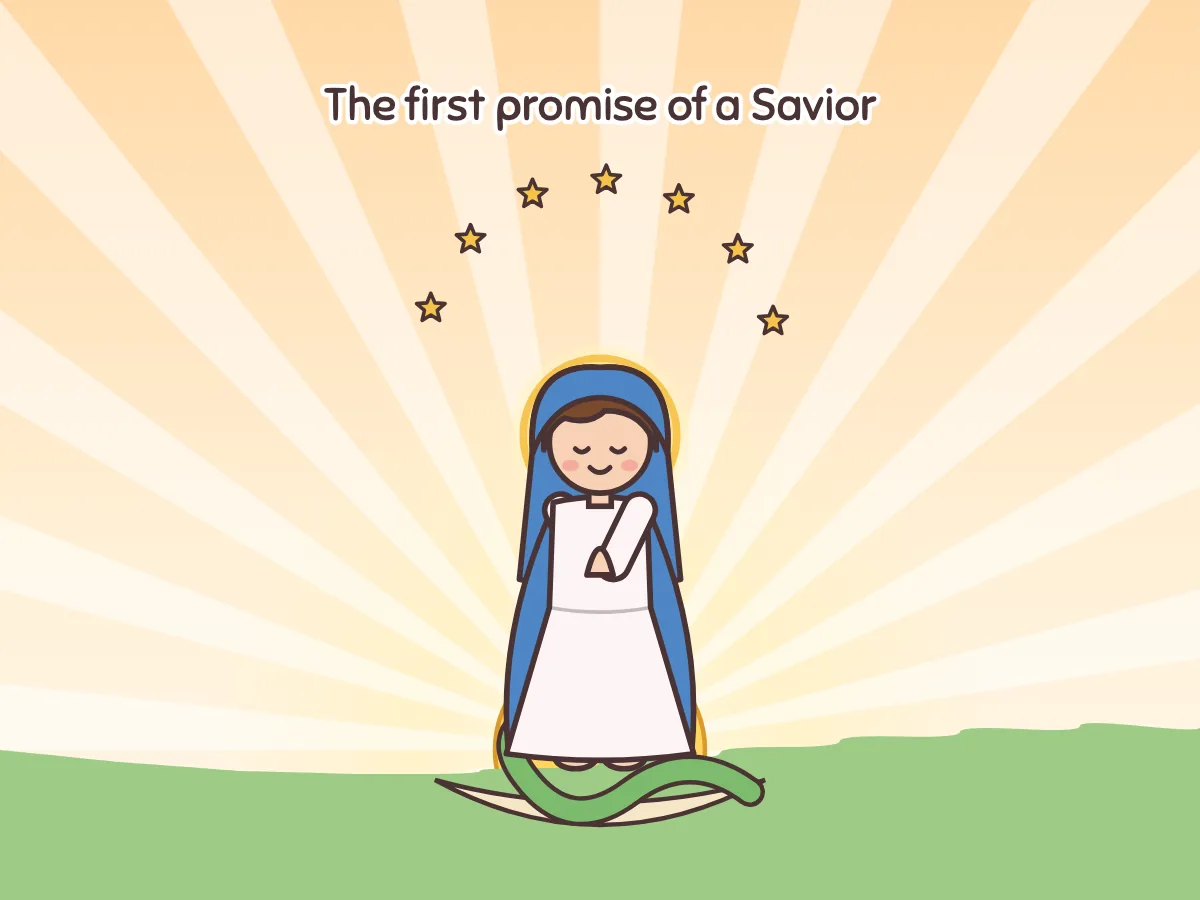
Even then, God did not abandon us. He told the serpent that a descendant of the woman would one day crush its head (Genesis 3:15). The Church calls this promise the “first Gospel.” It points to Jesus, the new Adam, and to Mary, the new Eve, who said yes to God.