
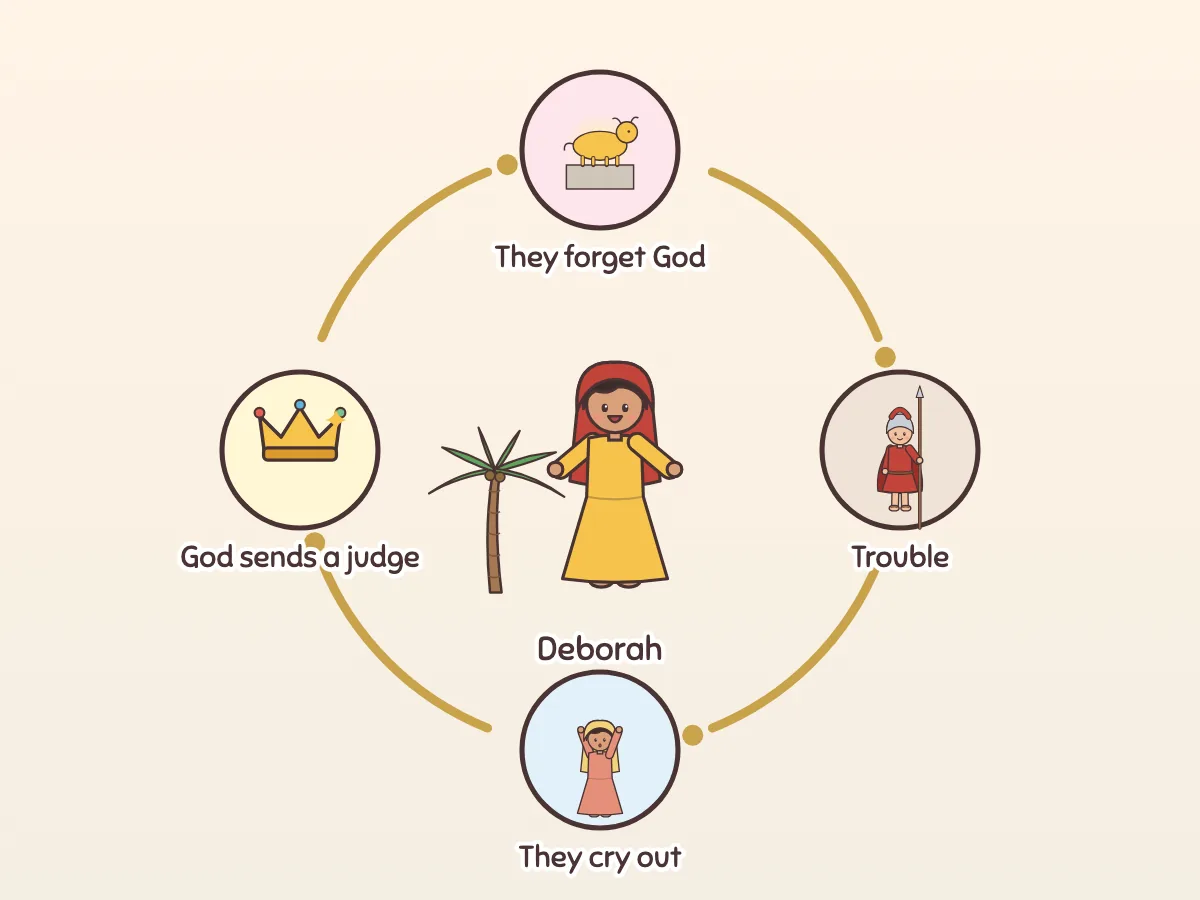
In the Promised Land, Israel fell into the same cycle again and again: the people forgot God, enemies overpowered them, they cried out, and God sent a judge to rescue them. Judges such as Deborah, Gideon and Samson led them. The book of Ruth tells of a faithful woman from Moab who became King David's great-grandmother.
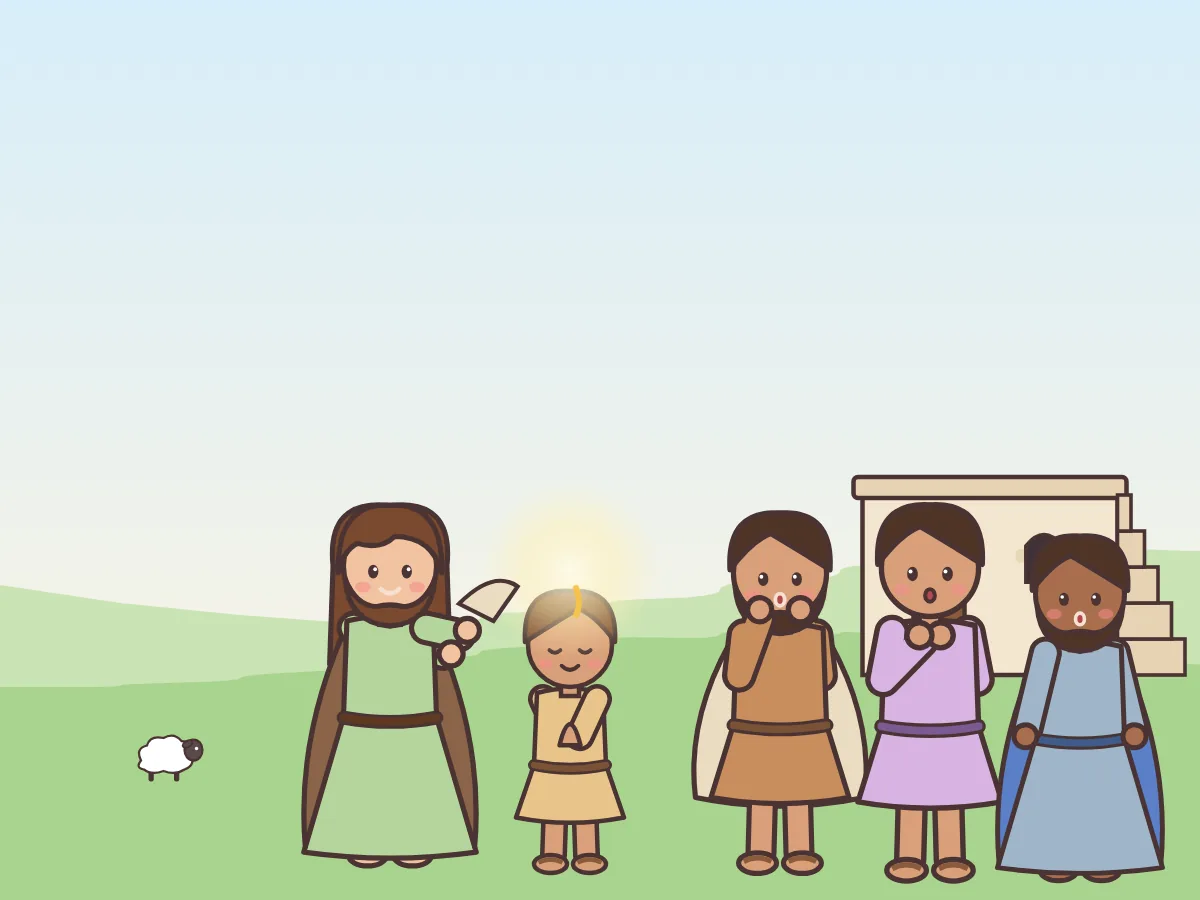
The people asked the prophet Samuel for a king like other nations had. Saul was anointed first, but he did not obey God. So God sent Samuel to Bethlehem, to the family of Jesse, and chose the youngest son, a shepherd boy named David. “Man looks on the outward appearance, but the Lord looks on the heart.”
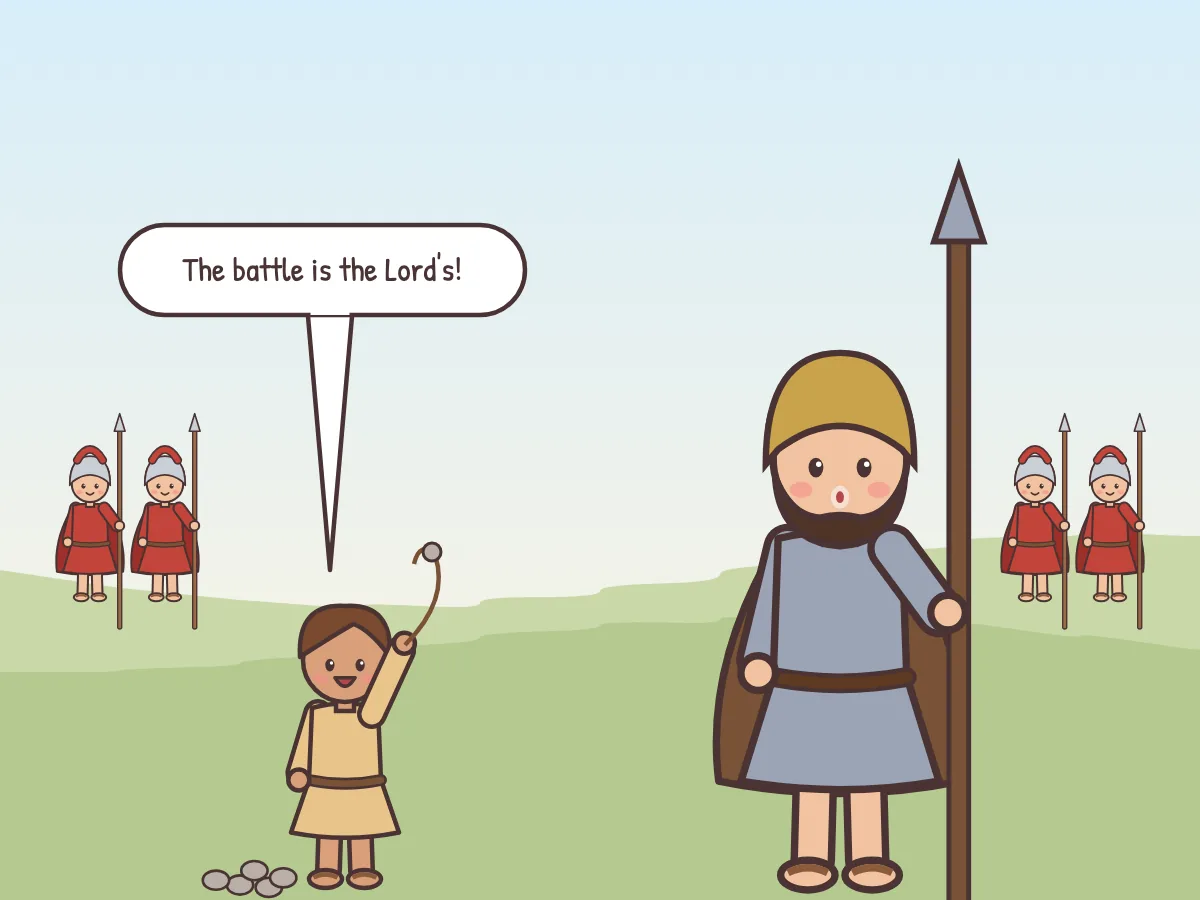
Young David trusted God when everyone else was afraid. He faced the giant Goliath with a sling and five stones, saying, “The battle is the Lord's.” As king, David united the tribes, made Jerusalem his capital and brought the Ark of the Covenant there, dancing with joy before the Lord.
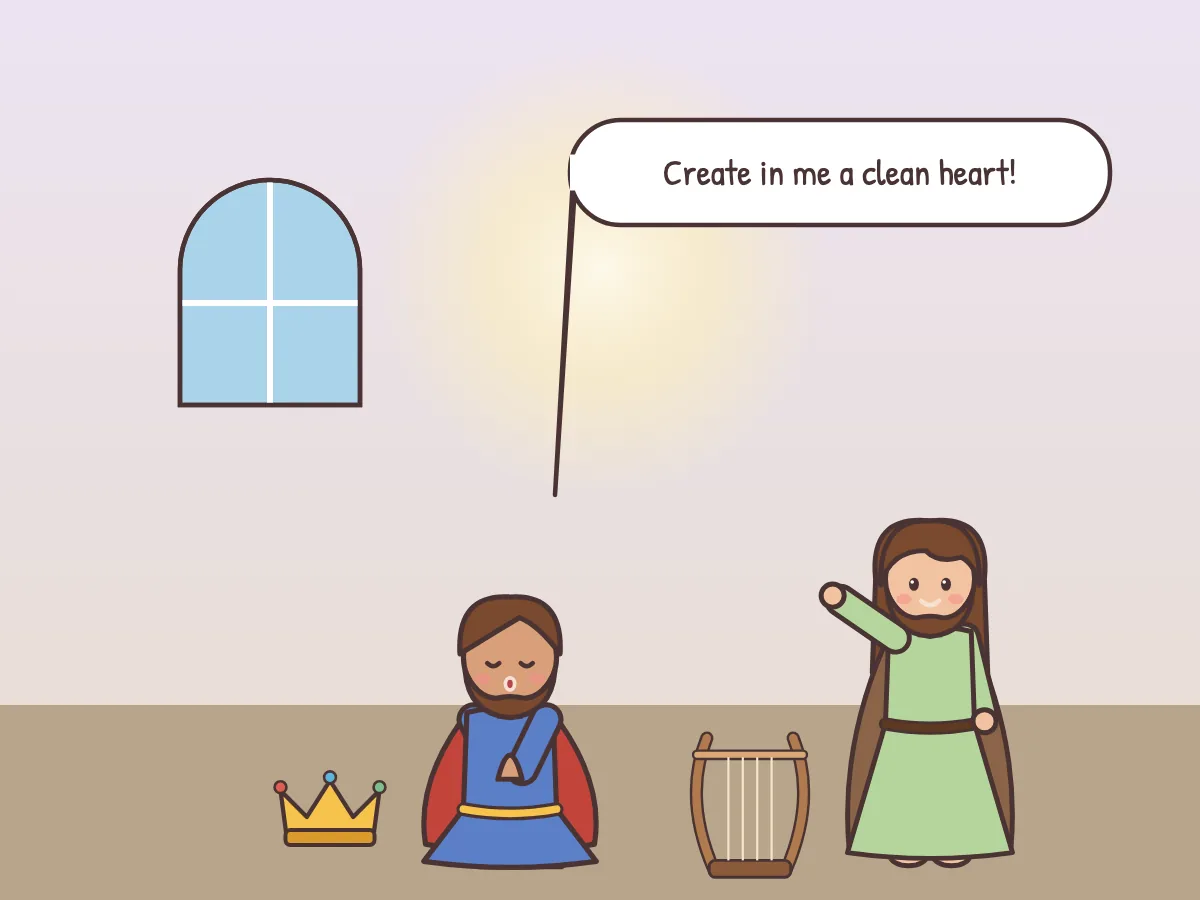
David was great, but he was not perfect. He took Bathsheba, another man's wife, and then had her husband sent to die in battle. When the prophet Nathan confronted him, David did not make excuses. He repented with all his heart, and Psalm 51 is his prayer: “Create in me a clean heart, O God.”
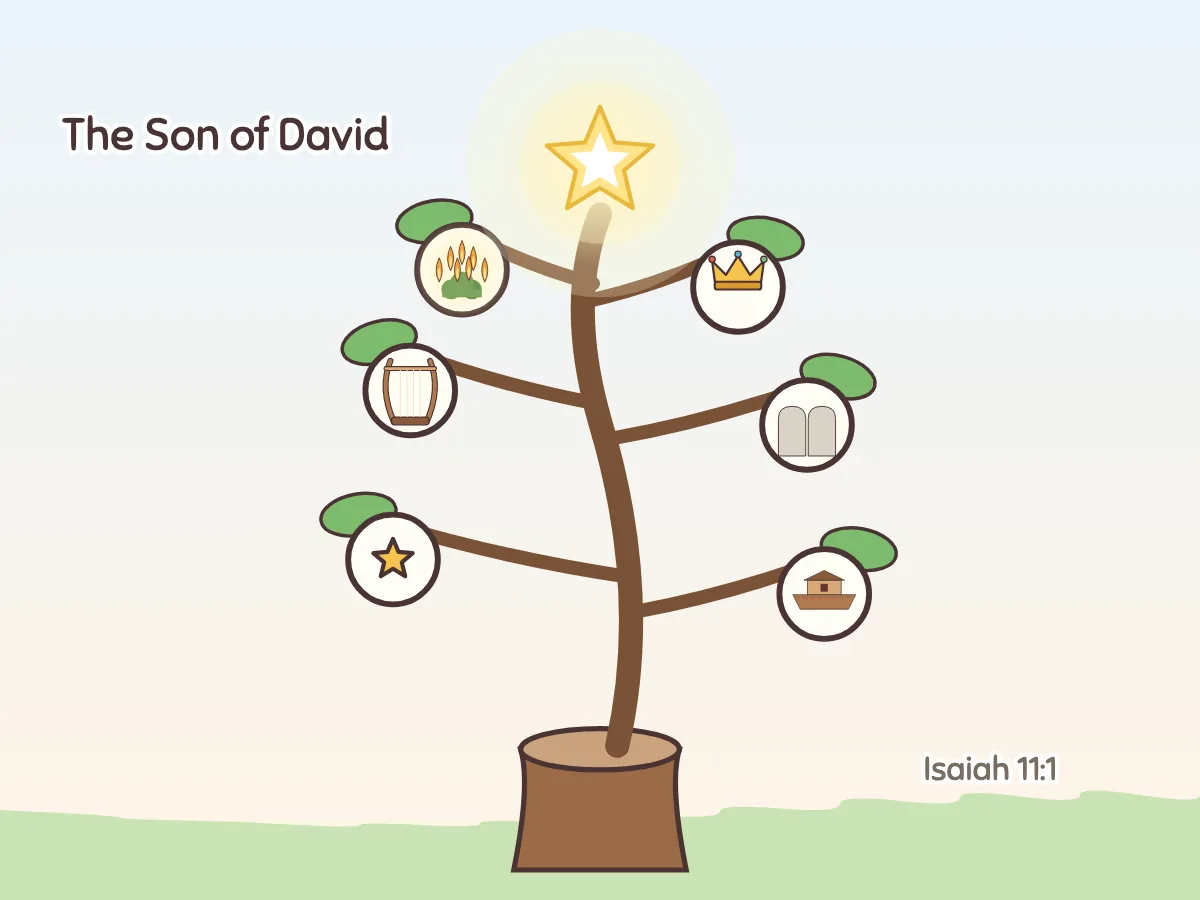
Through Nathan, God made David an amazing promise: one of his descendants would reign forever, and his kingdom would never end. From then on, Israel waited for the Messiah, the “Anointed One,” the Son of David. Centuries later, the angel Gabriel told Mary that her Son would receive “the throne of his father David.”
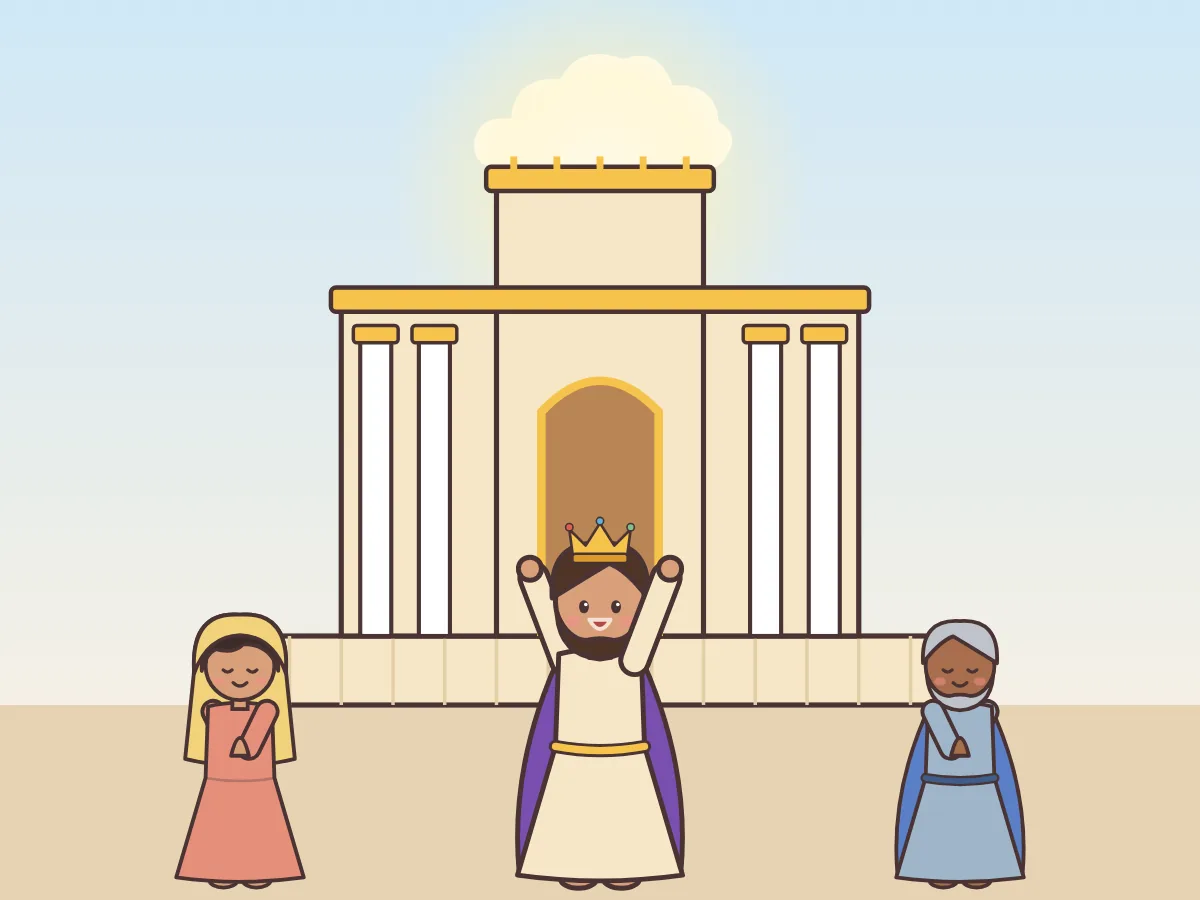
David's son Solomon asked God for wisdom rather than riches and built a magnificent Temple in Jerusalem. But later Solomon turned to other gods, and after his death the kingdom split in two: Israel in the north and Judah in the south.