
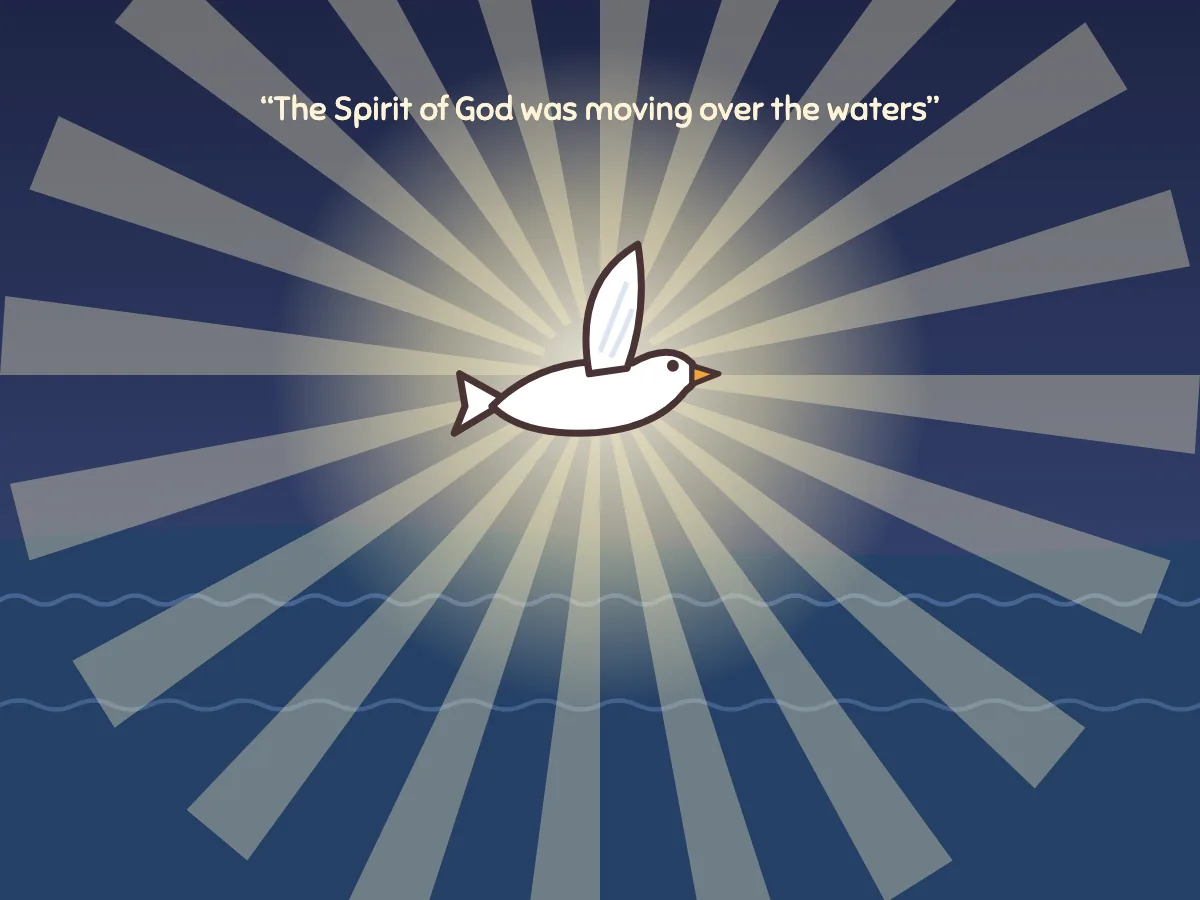
The Holy Spirit is sometimes called the forgotten Person of the Trinity, but He is God, “the Lord, the giver of life,” equal to the Father and the Son. The Spirit was at work from the beginning: hovering over the waters at creation, speaking through the prophets and overshadowing Mary at the Incarnation.
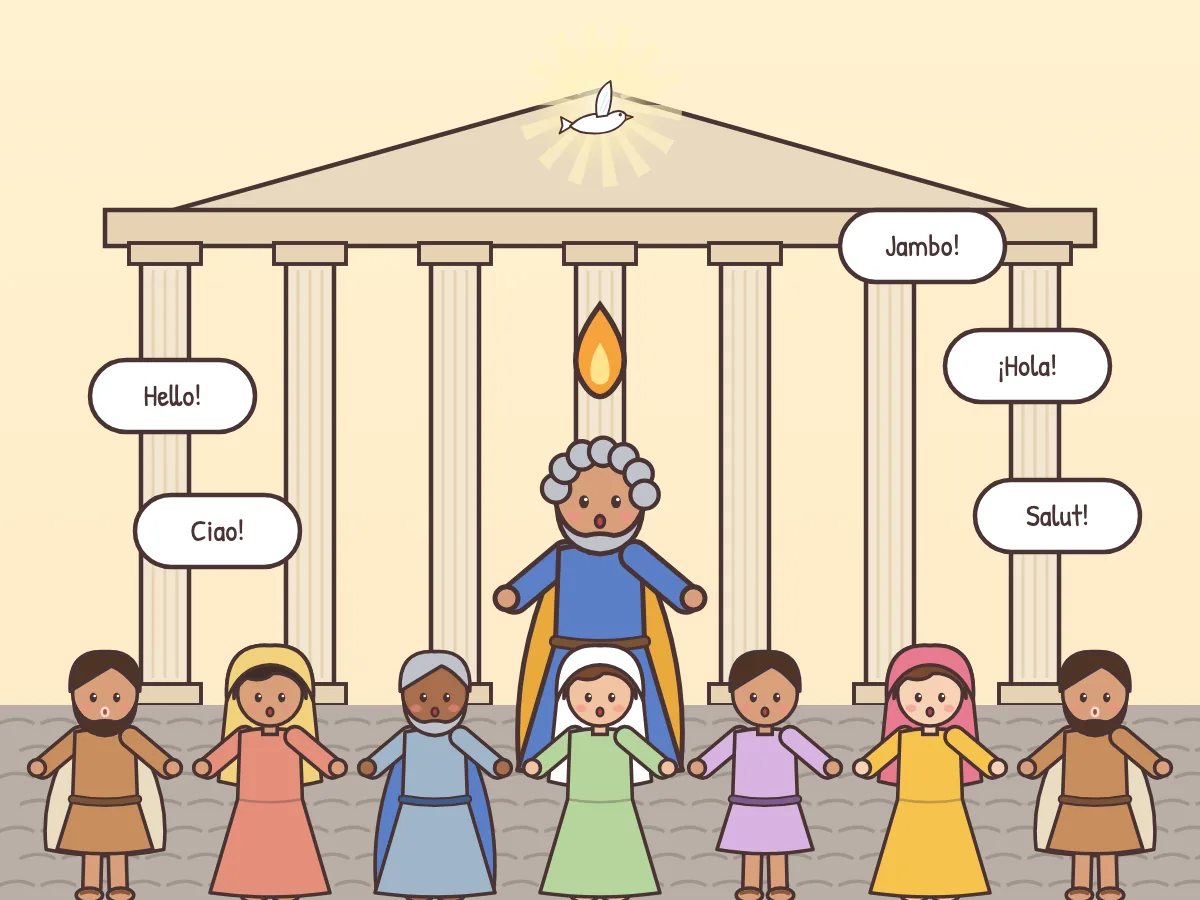
Jesus promised to send another Advocate, the Paraclete, who would teach the disciples everything, remind them of all He had said and guide them into all truth. At Pentecost the Spirit came with a mighty wind and tongues of fire, and frightened disciples became fearless preachers, understood by people from many nations.
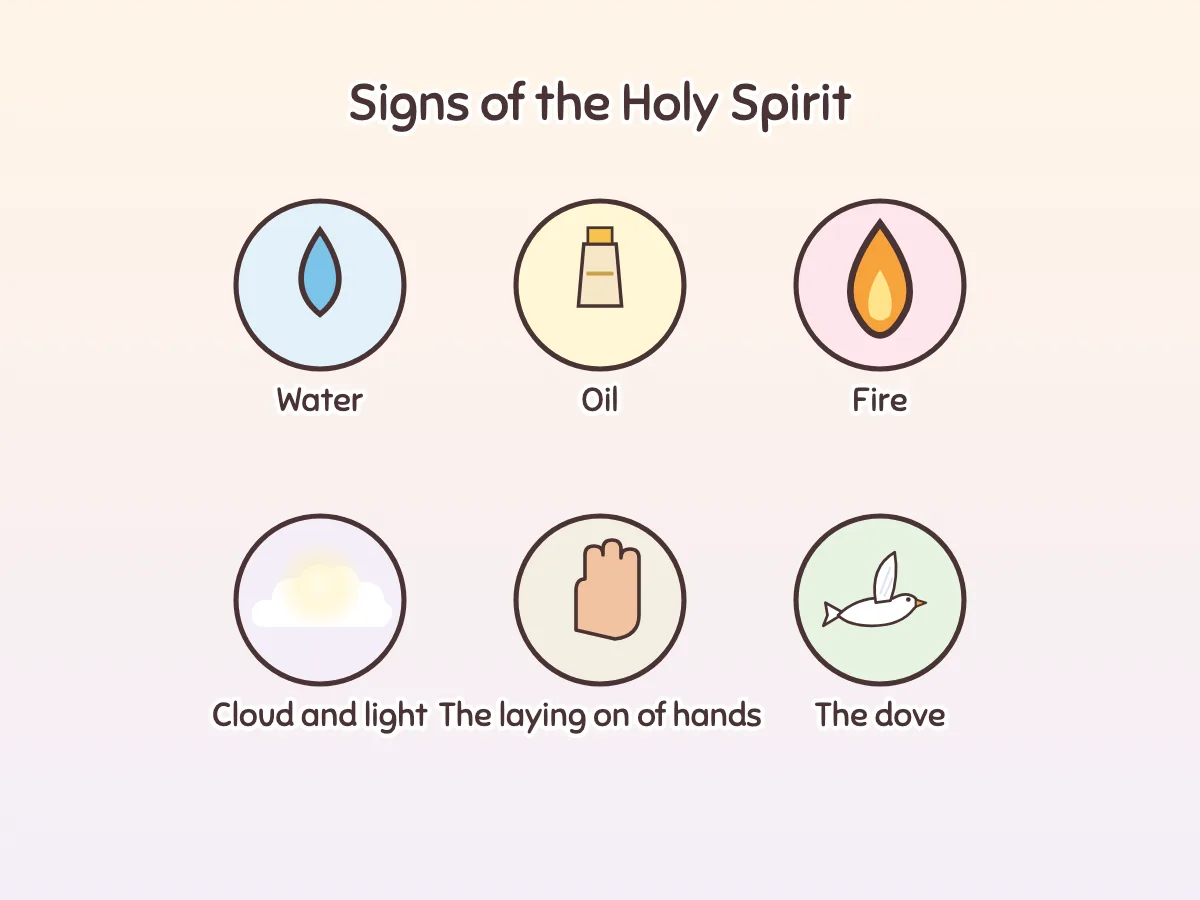
Scripture uses many symbols for the Spirit:
- Water: the Spirit gives new birth in Baptism.
- Anointing with oil: from it comes the name “Christ,” the Anointed One.
- Fire: the Spirit transforms everything He touches.
- Cloud and light: God's presence, as at Mount Sinai and the Transfiguration.
- The laying on of hands and the seal: the Spirit is given and marks us as God's own.
- The dove: peace and new creation, as at Jesus' Baptism.
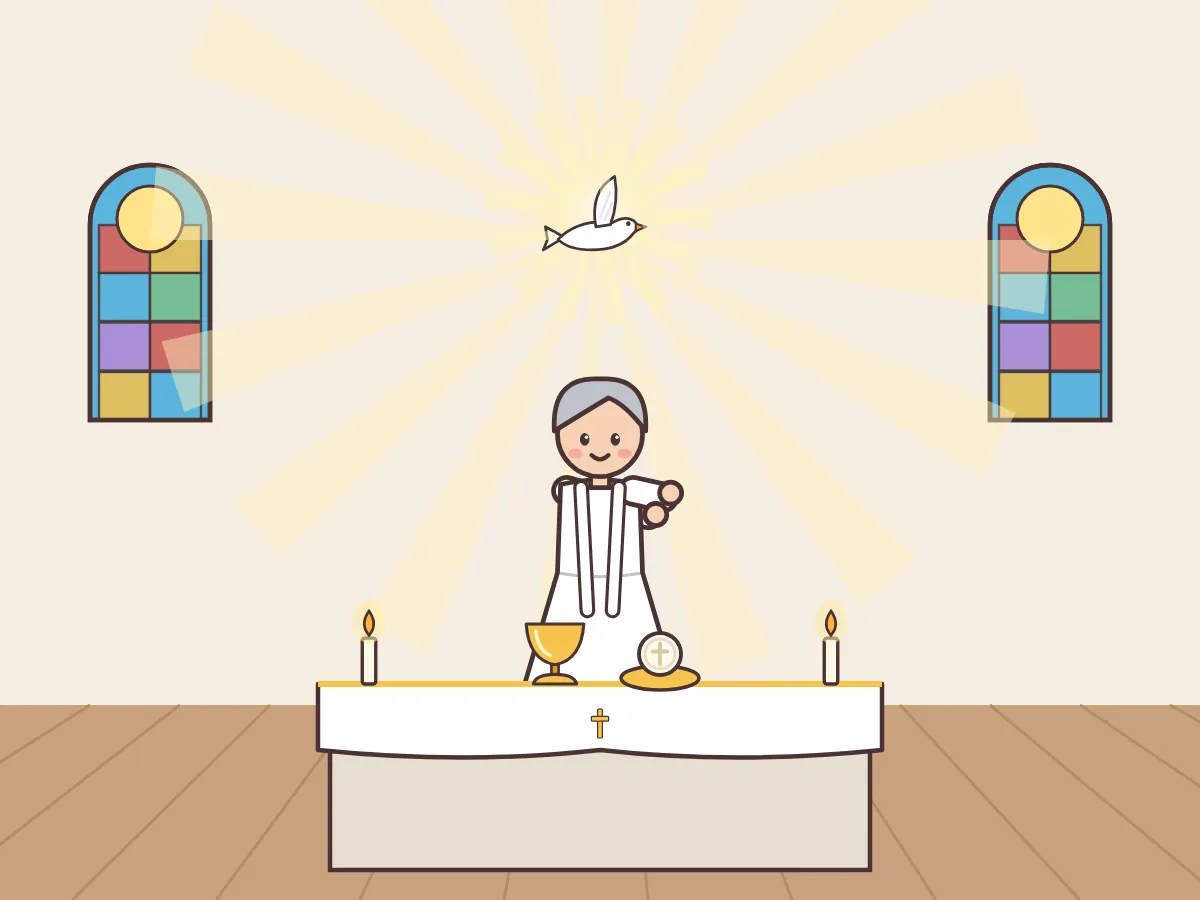
The Spirit is the soul of the Church. He makes the Church one, gives her many gifts, inspired the Scriptures, keeps the Magisterium in the truth and makes Christ present in the sacraments. At every Mass, the priest asks the Father to send the Spirit so that the bread and wine become Christ's Body and Blood.
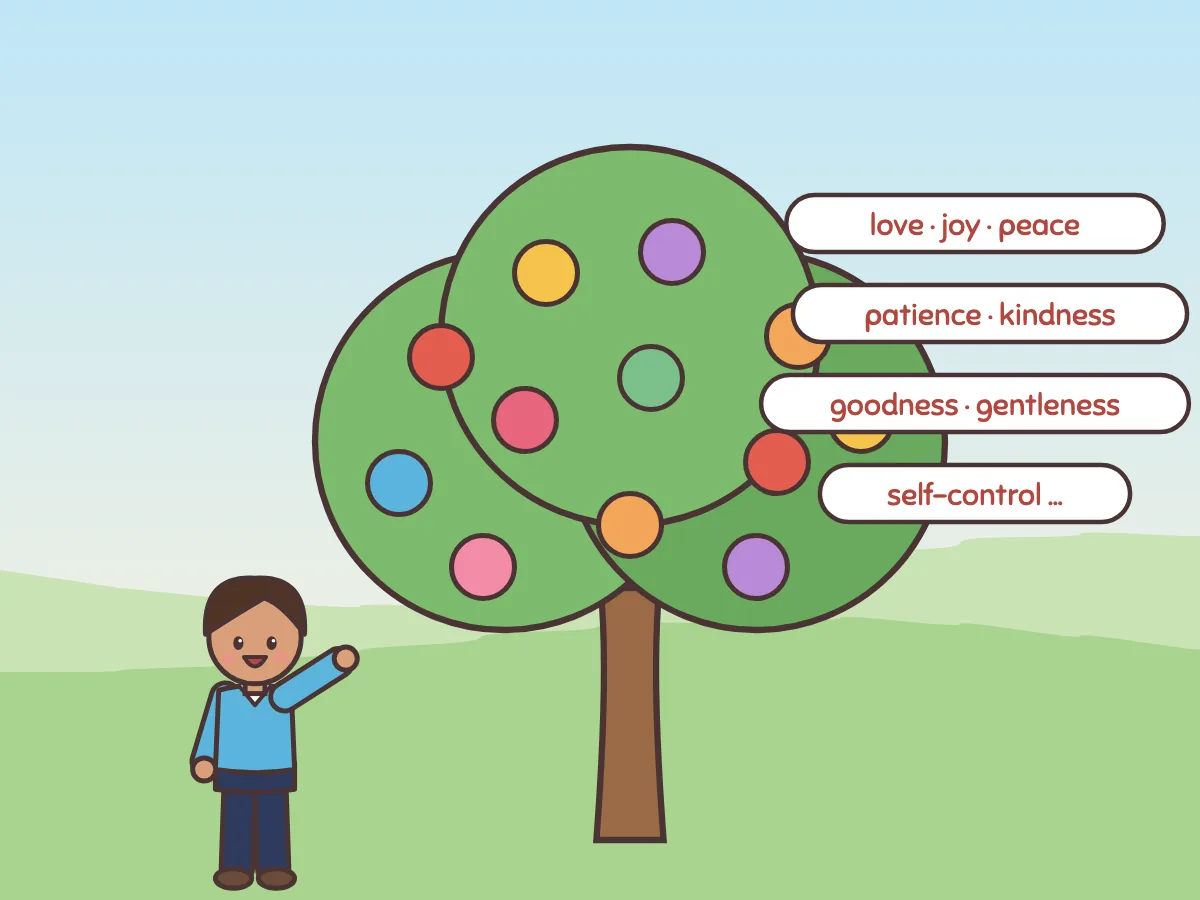
The Spirit also lives in each baptized person. He makes us children of God who cry out “Abba, Father,” prays in us when we do not know how to pray, gives us His seven gifts and makes fruit grow in us: love, joy, peace, patience, kindness, goodness, generosity, gentleness, faithfulness, modesty, self-control and chastity.
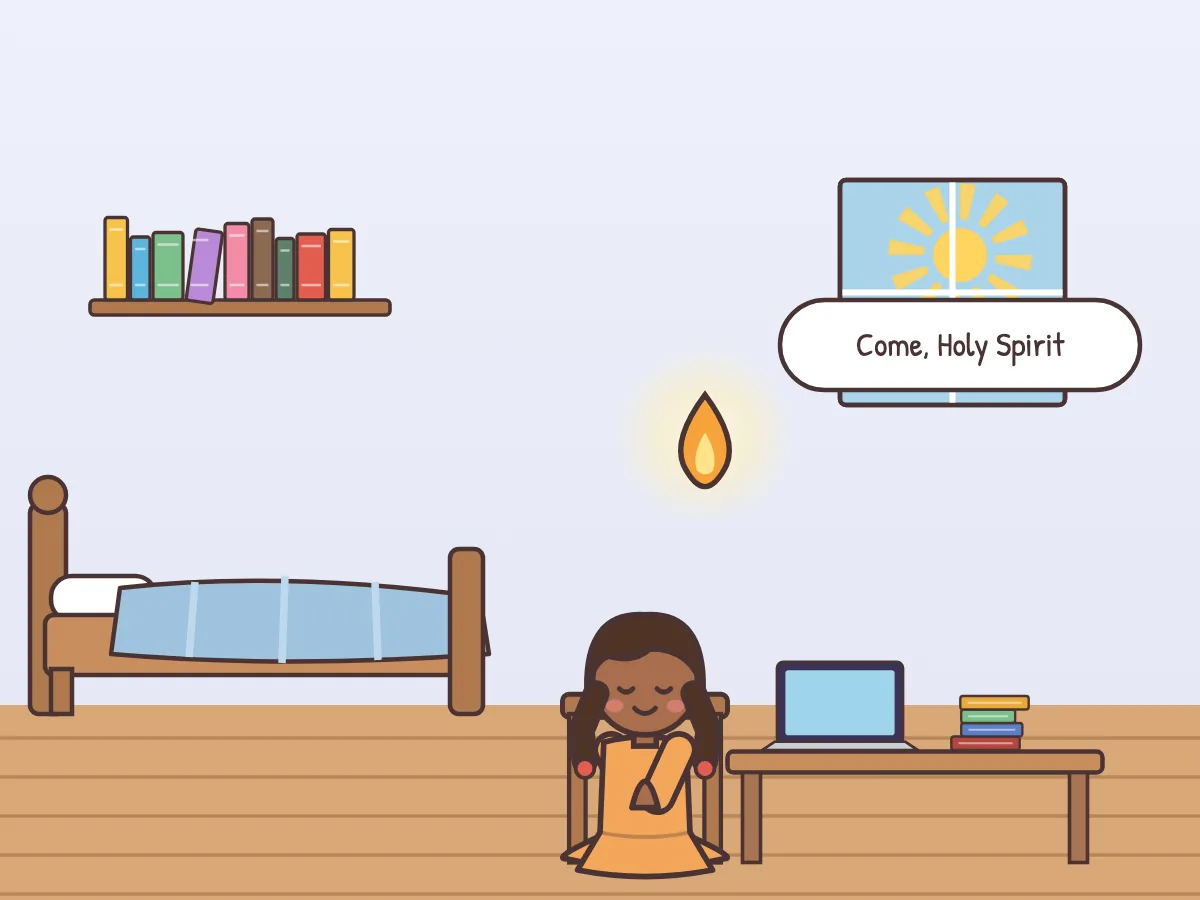
How can you tell the Spirit is at work? By the fruit. Where there is love, joy, peace and self-giving, the Spirit is working. We can grieve the Spirit by sin, or open ourselves to Him through prayer, the sacraments and listening. Many Christians begin every task with a simple “Come, Holy Spirit.”