
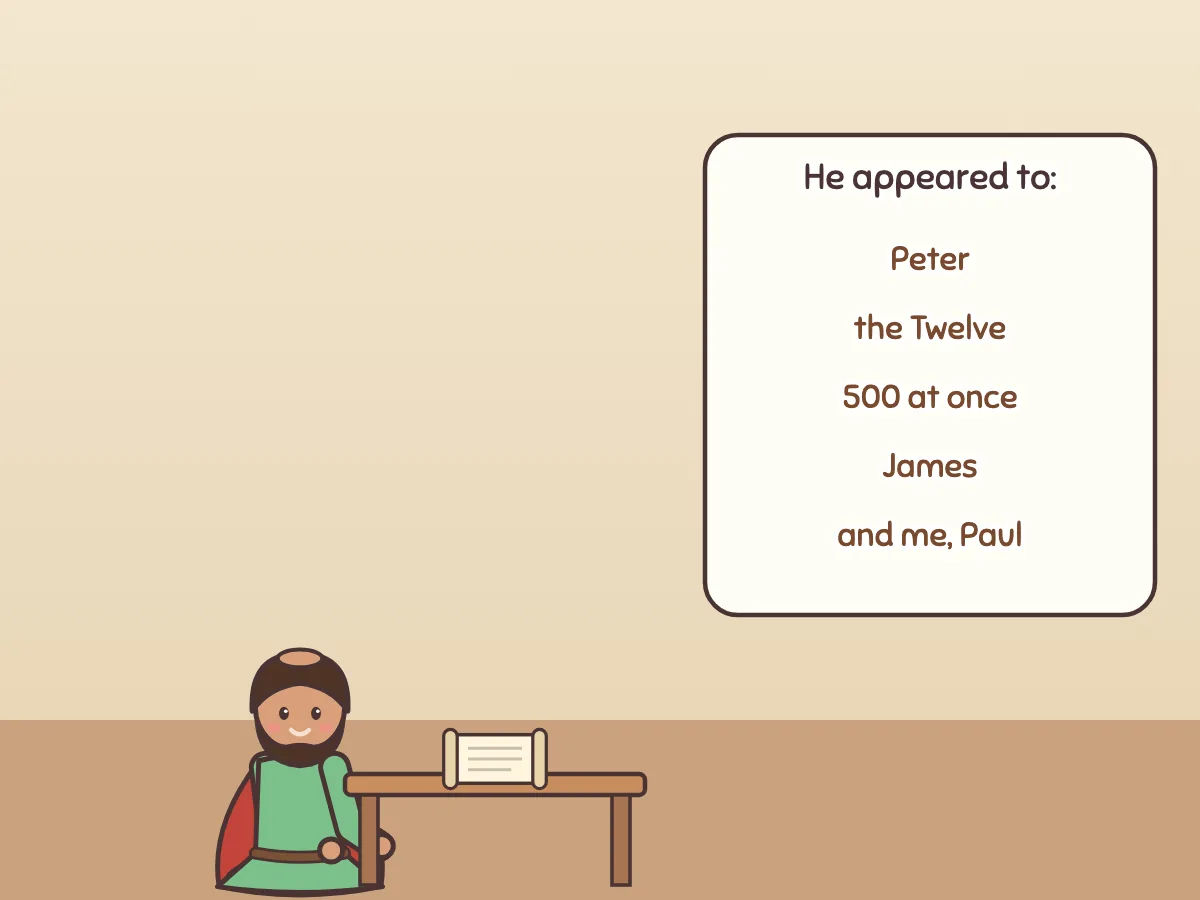
The earliest summary of the Christian faith, which Saint Paul handed on in a letter written about twenty years after Easter, says: Christ died for our sins, was buried, was raised on the third day, and appeared to Peter, to the Twelve, to more than five hundred at once, to James and finally to Paul himself. The Resurrection was at the heart of the Church's preaching from the start.
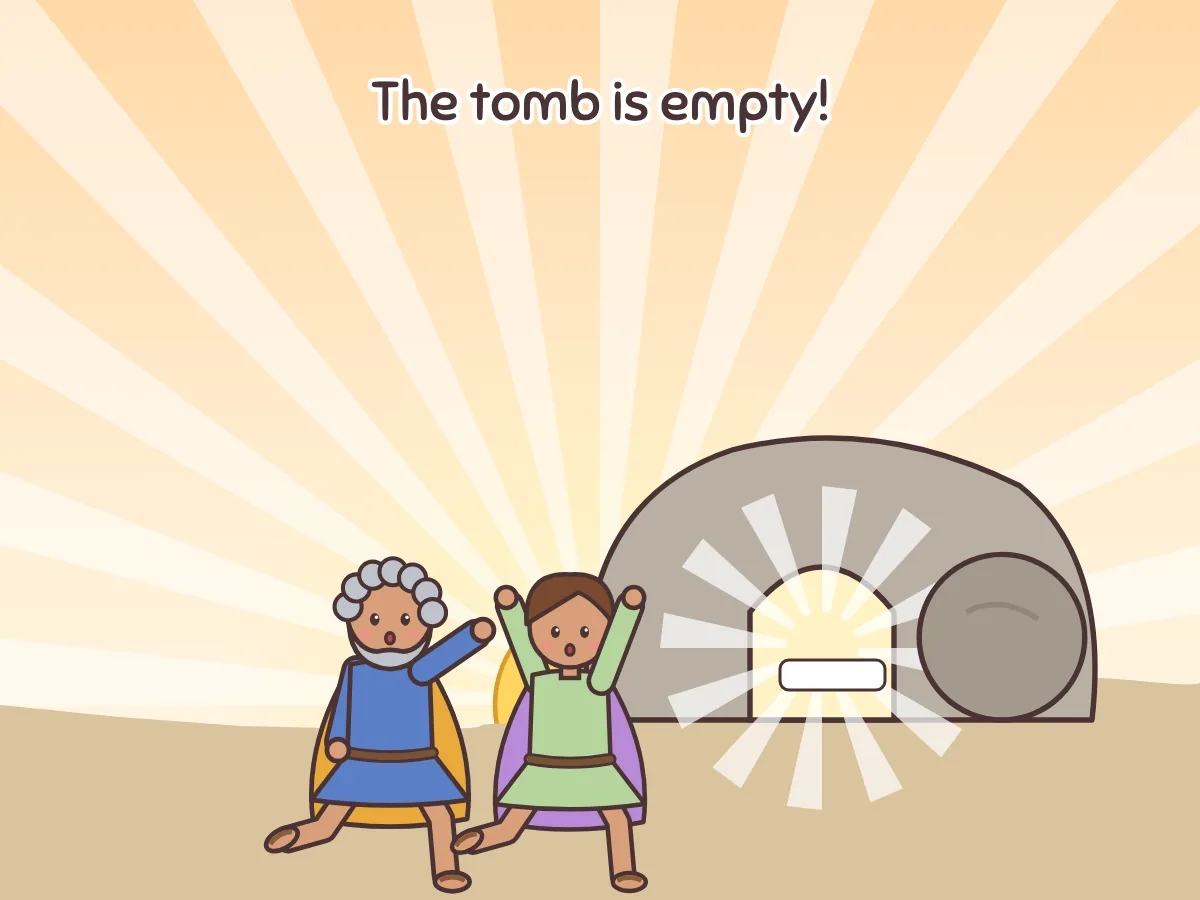
The Resurrection is a real event in history, with signs we can examine: the empty tomb and the appearances. Other explanations fall short. The disciples did not expect it, and at first they did not believe it. People do not die for a lie they invented, and hallucinations do not appear to hundreds at once, eat fish or empty a tomb.
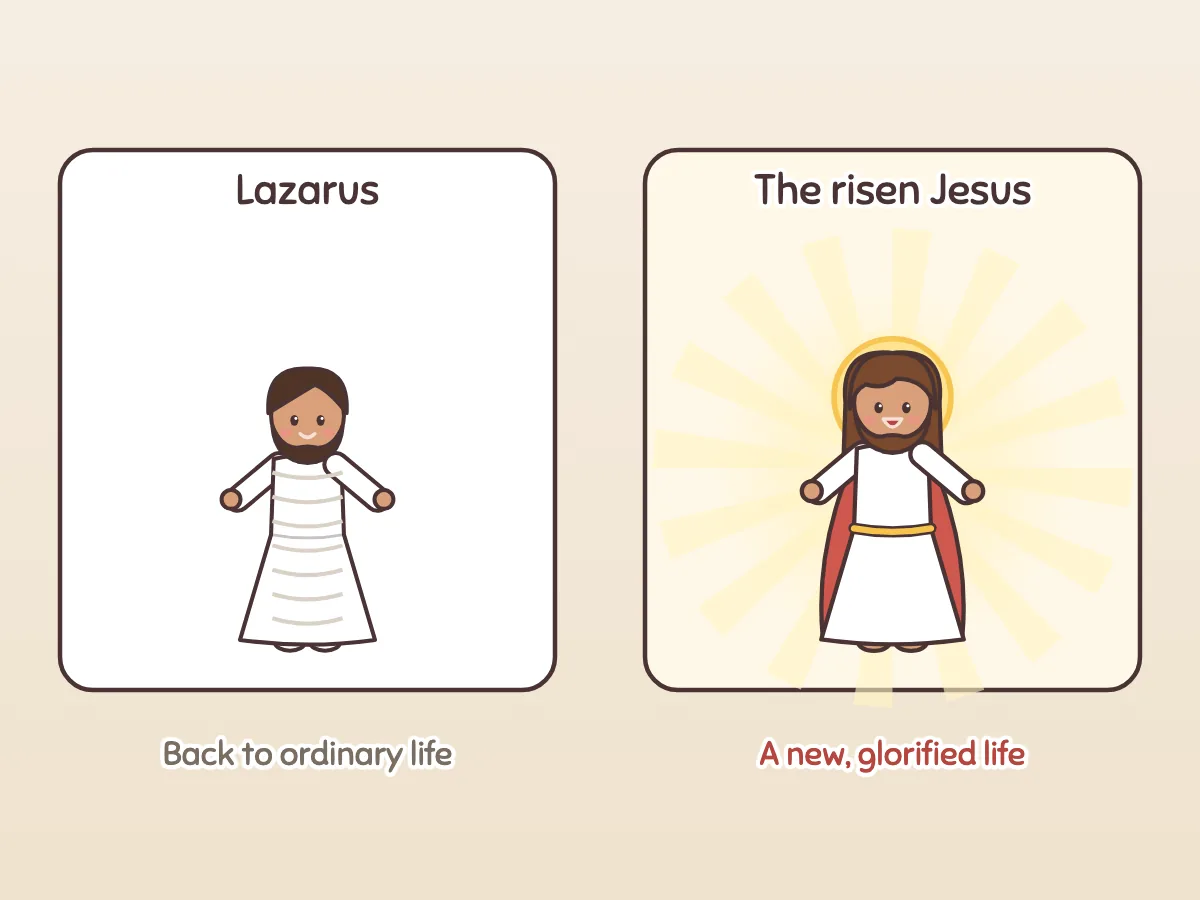
Yet the Resurrection is also more than history. Jesus did not simply come back to ordinary life, like Lazarus, who later died again. He passed through death into a new, glorified life that no one saw happen. His risen body is the beginning of a new creation.
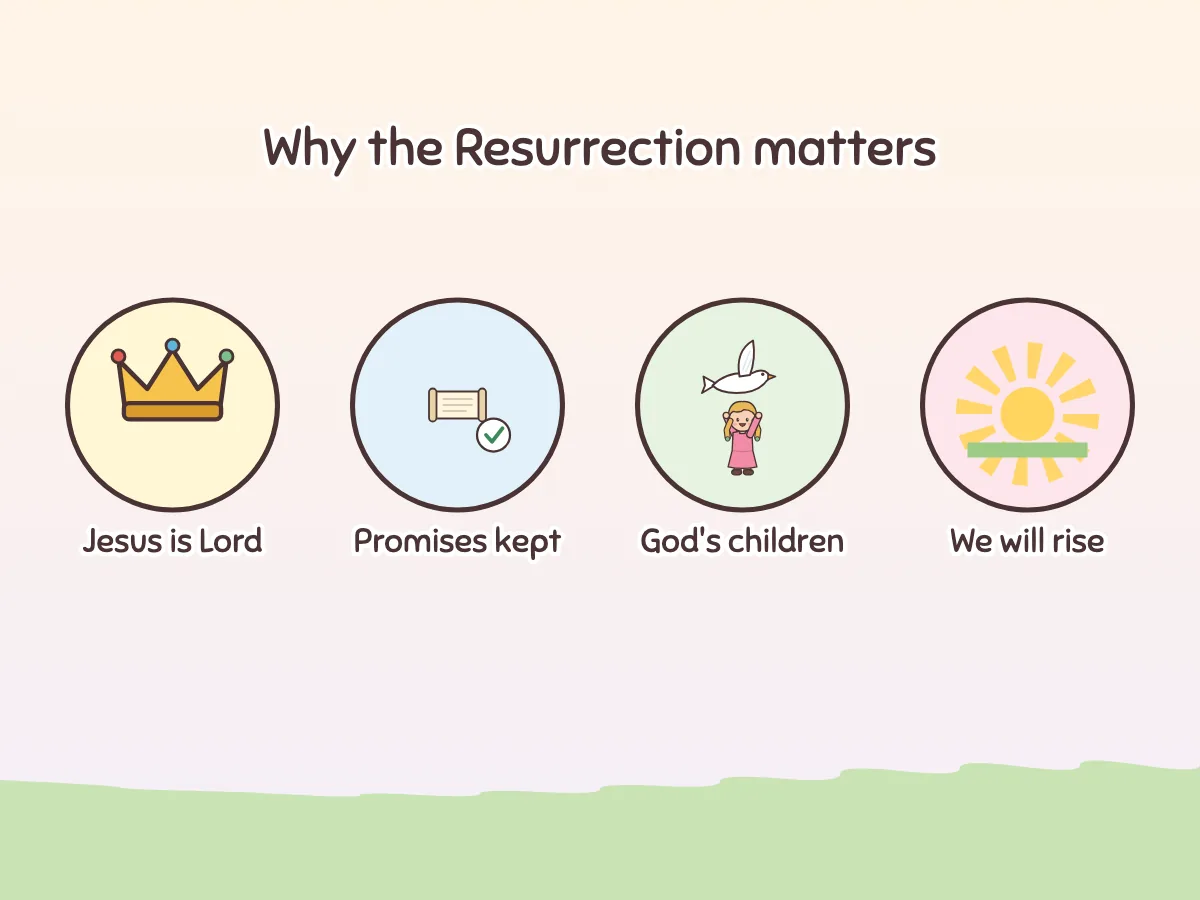
The Resurrection changes everything:
- It confirms all that Jesus did and taught, and shows that He is God.
- It fulfills the promises of the Old Testament.
- It opens a new life for us: we are made right with God and become His adopted children.
- It is the promise of our own resurrection on the last day.
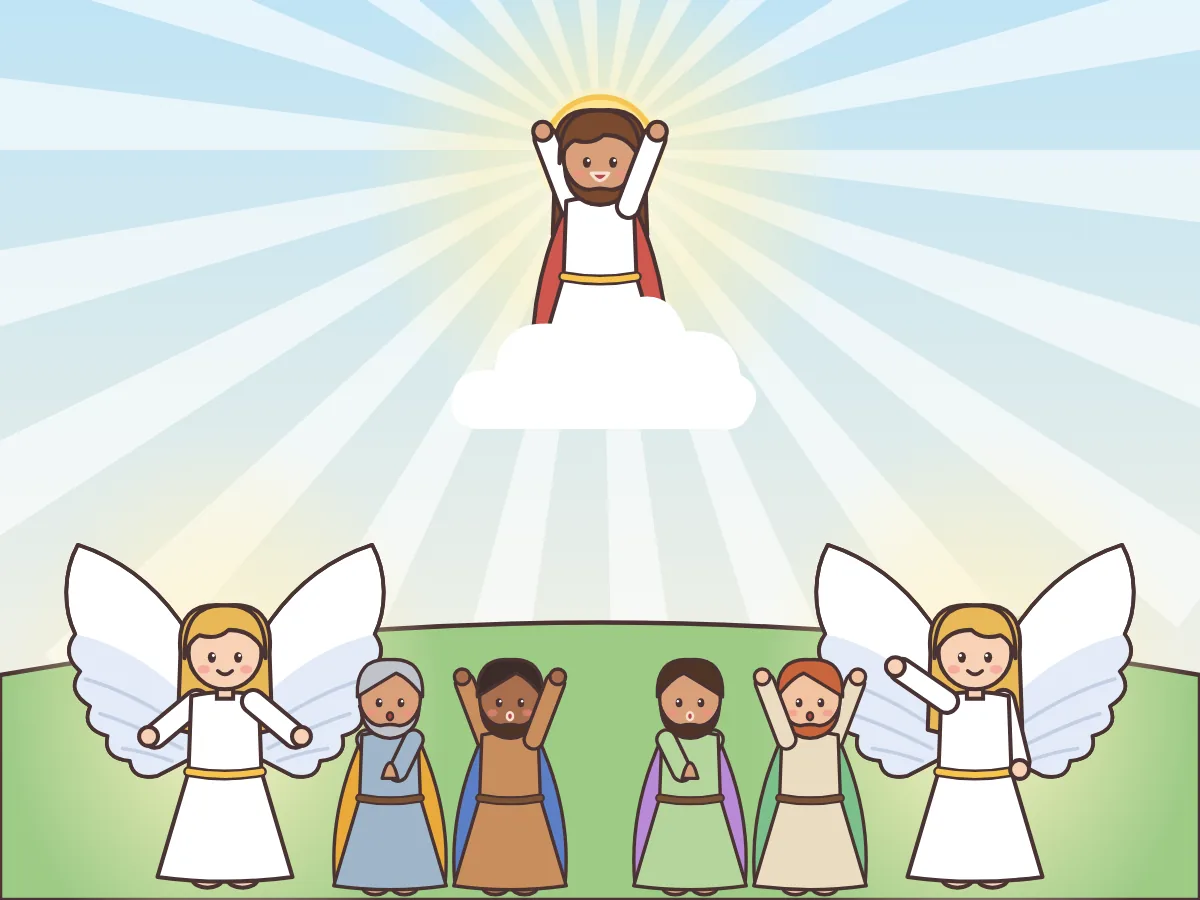
Forty days later Jesus ascended into heaven. This does not mean He went into outer space, but that His humanity entered God's glory forever. He is seated at the right hand of the Father, which means He reigns with Him, and He always intercedes for us. Where the Head has gone, the Body hopes to follow.
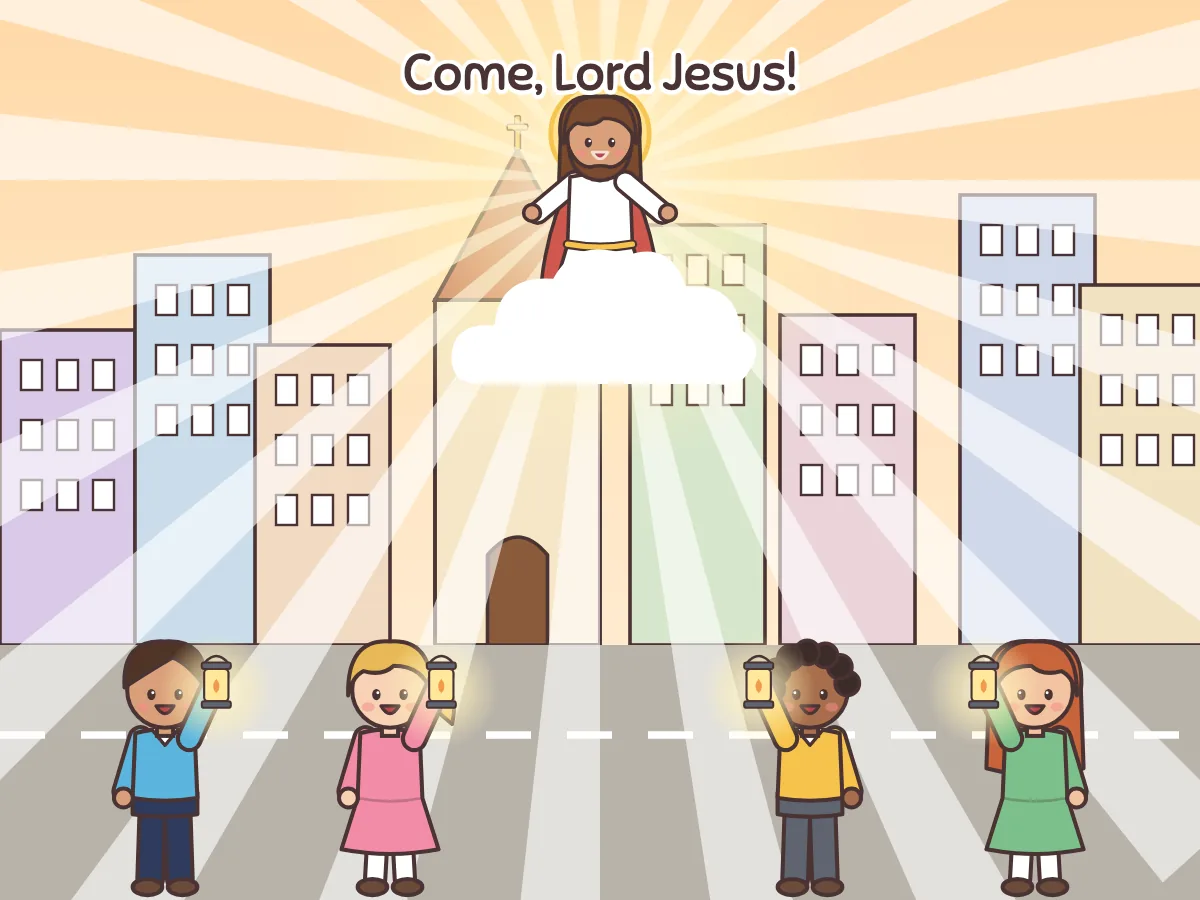
Christ will come again in glory to judge the living and the dead. No one knows the day or the hour, so Jesus told us to stay awake. Christians do not fear His coming: the Bible ends with the prayer “Come, Lord Jesus!”, and we work now to make the world ready for Him.