
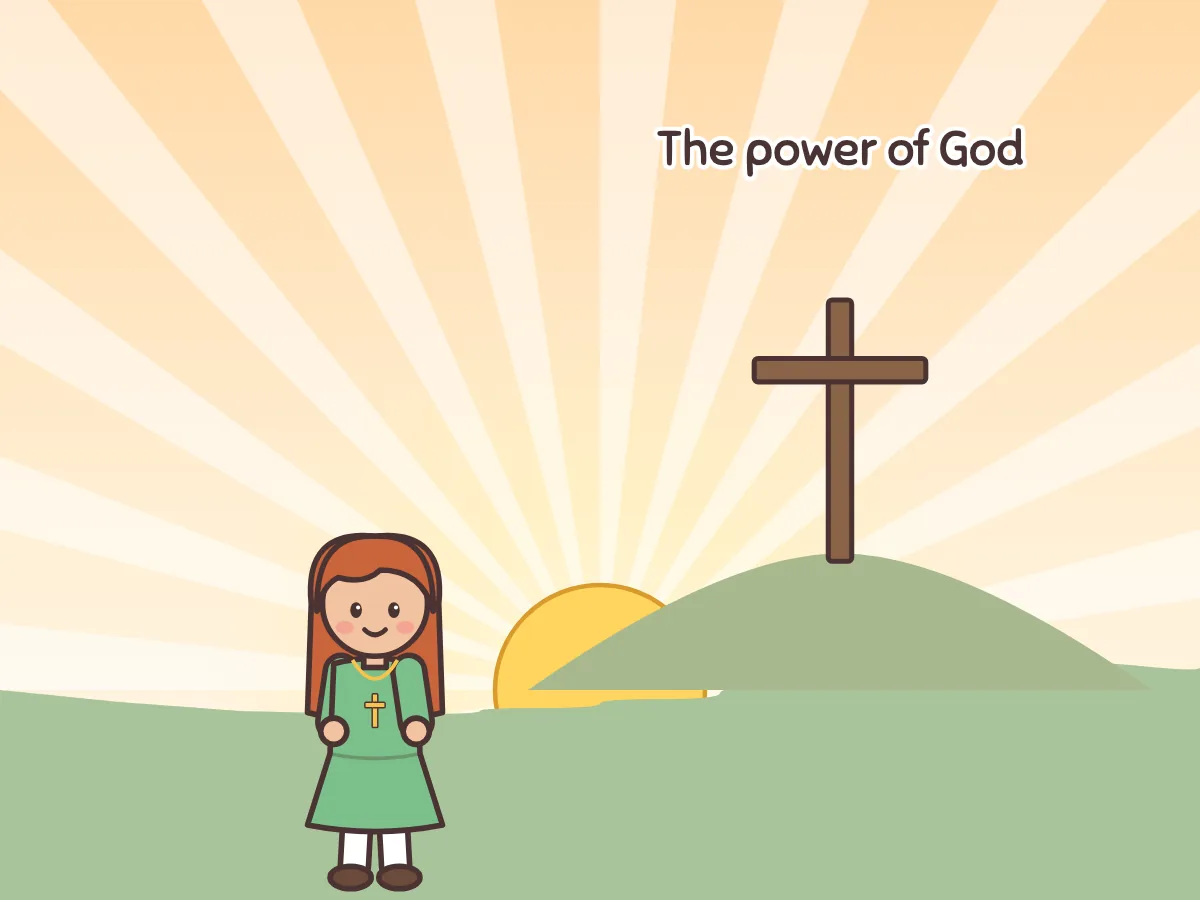
The cross was the most shameful death in the Roman world, reserved for slaves and rebels. Yet Christians put it on their churches, around their necks and on their walls. Saint Paul wrote that the message of the cross is foolishness to some, but to those being saved it is the power of God.
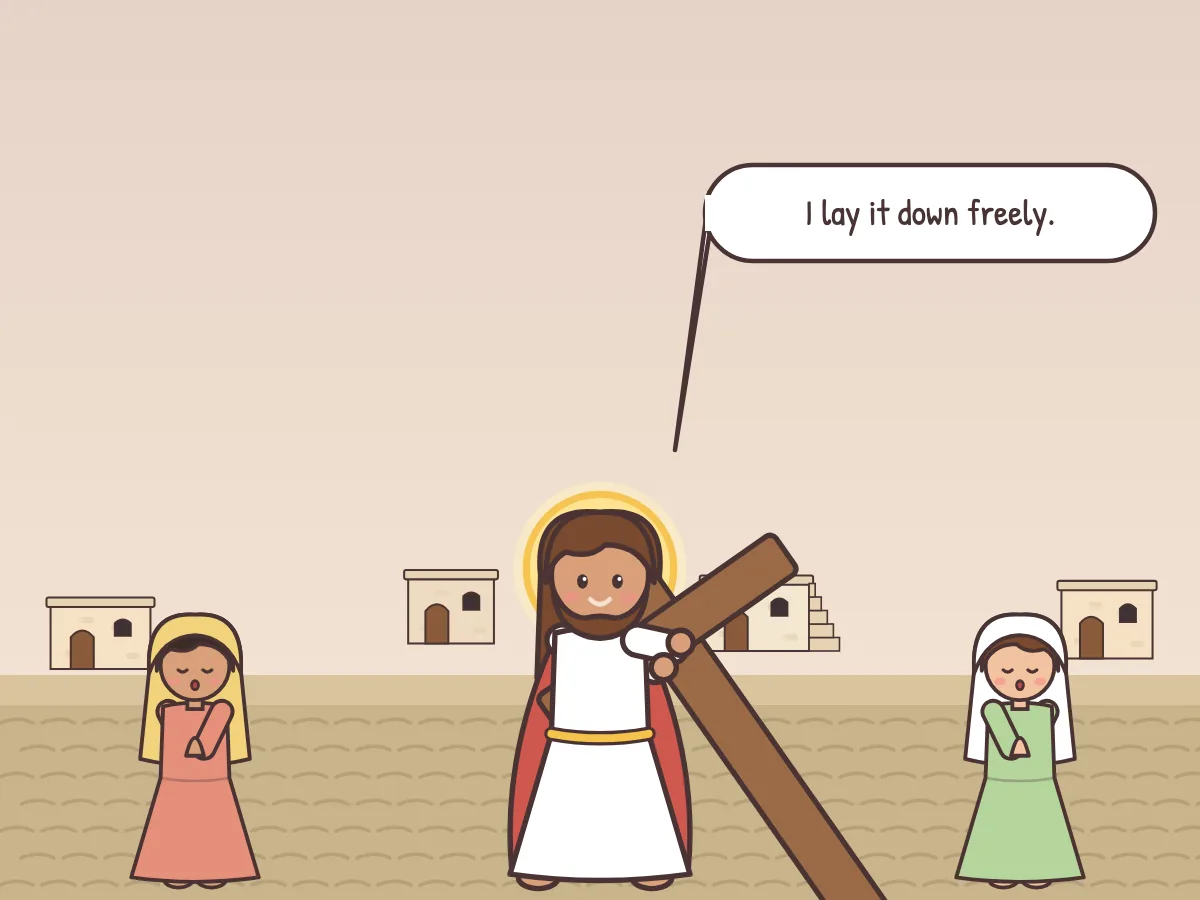
Jesus' death was not an accident, or only the result of bad politics. It was part of God's plan, foretold in the Scriptures, especially in Isaiah's Suffering Servant. Yet those who handed Him over acted freely. And Jesus Himself freely embraced His Passion: “No one takes it from me, but I lay it down of my own accord.”
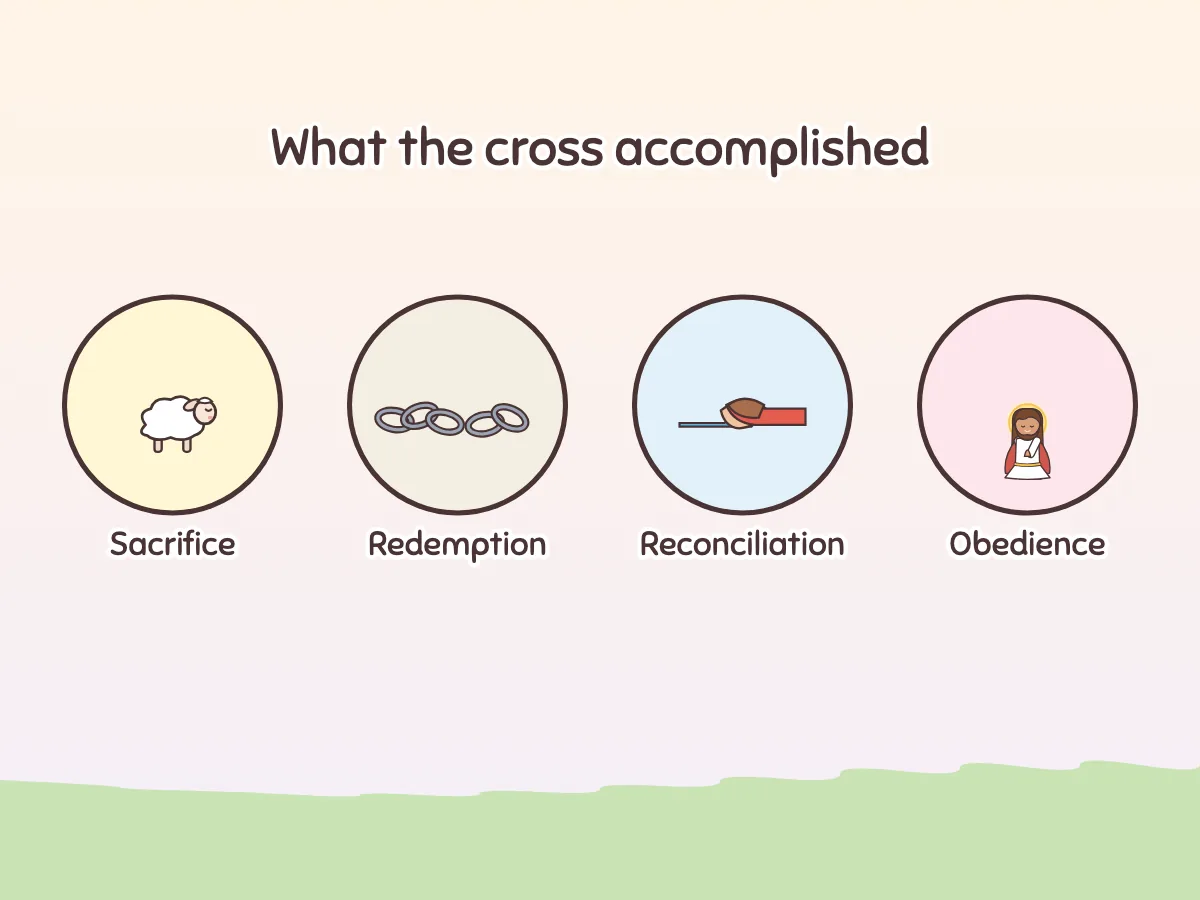
The New Testament uses several images to explain what the cross accomplished:
- Sacrifice: Jesus is the Lamb of God, whose offering of Himself fulfills all the sacrifices of the Old Covenant.
- Redemption: like a price paid to free a slave, His blood sets us free.
- Reconciliation: He makes peace between God and humanity, breaking down the wall of sin.
- Obedience: Adam's disobedience is undone by Christ's obedience unto death.
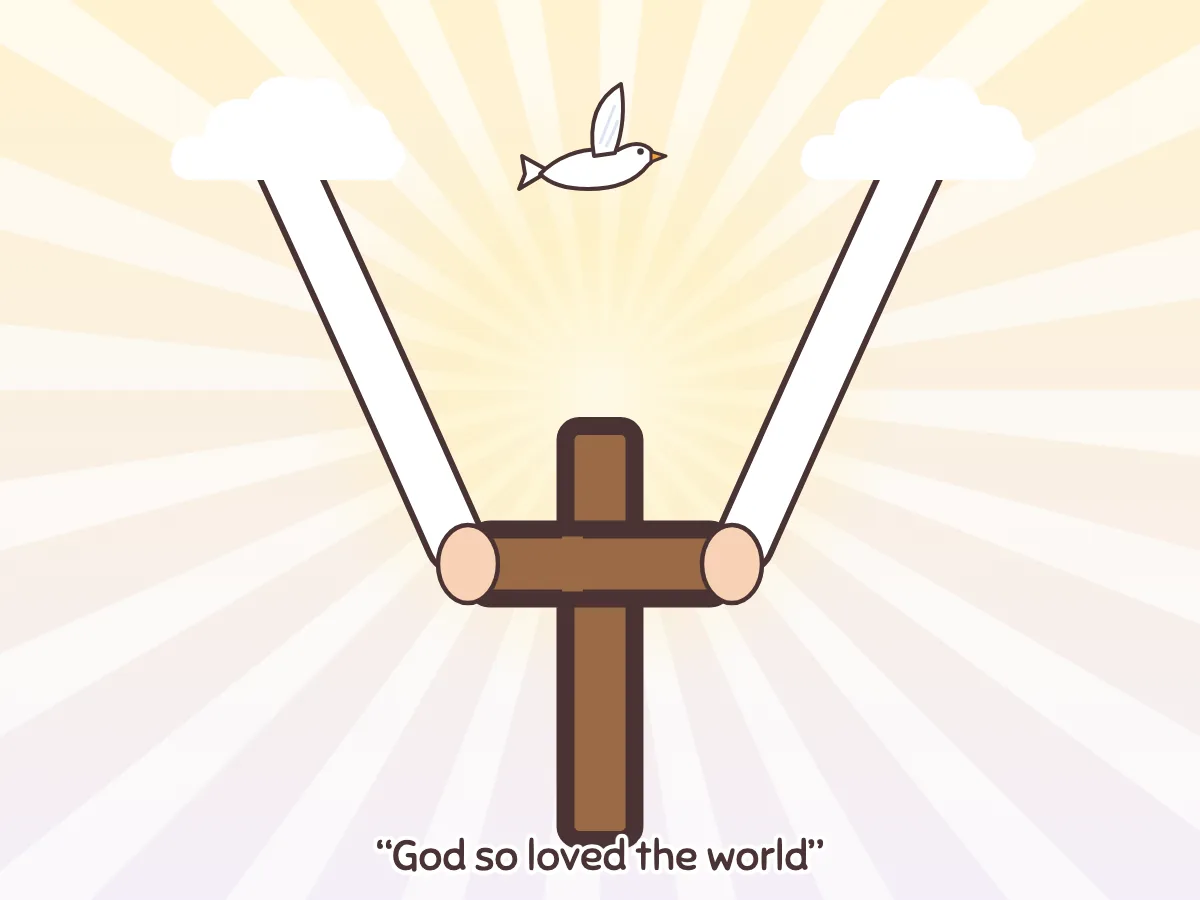
The cross does not show a Father who loves us less than the Son does. It is the Father, the Son and the Holy Spirit doing everything to save us: “God so loved the world that he gave his only Son.” The Catechism teaches that Jesus' love and obedience, offered in our name, made satisfaction for our sins; His one offering is worth more than all the sins of the world.
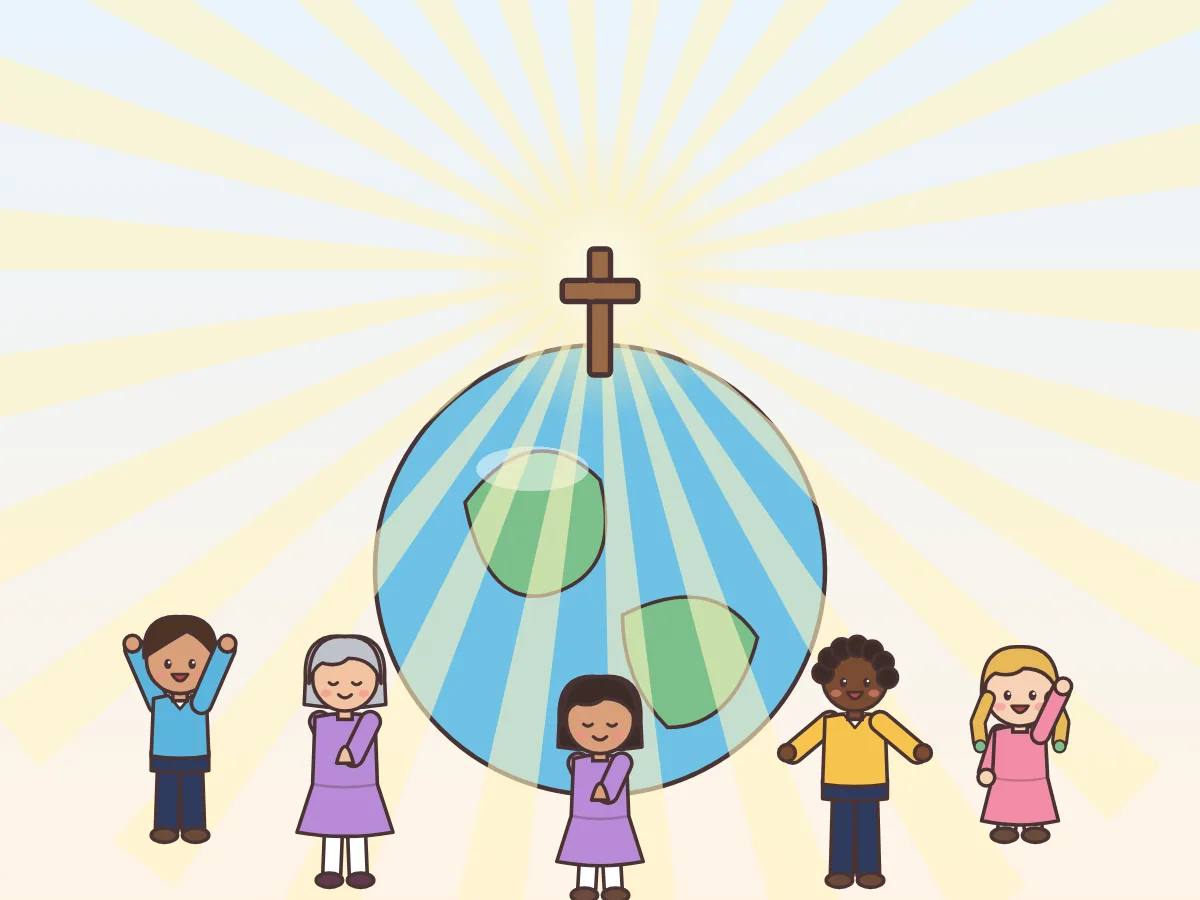
Christ died for every human being without exception. On the cross He knew and loved each of us personally. But salvation is offered, not forced: we receive it through faith, conversion and Baptism, and by uniting our lives to His.
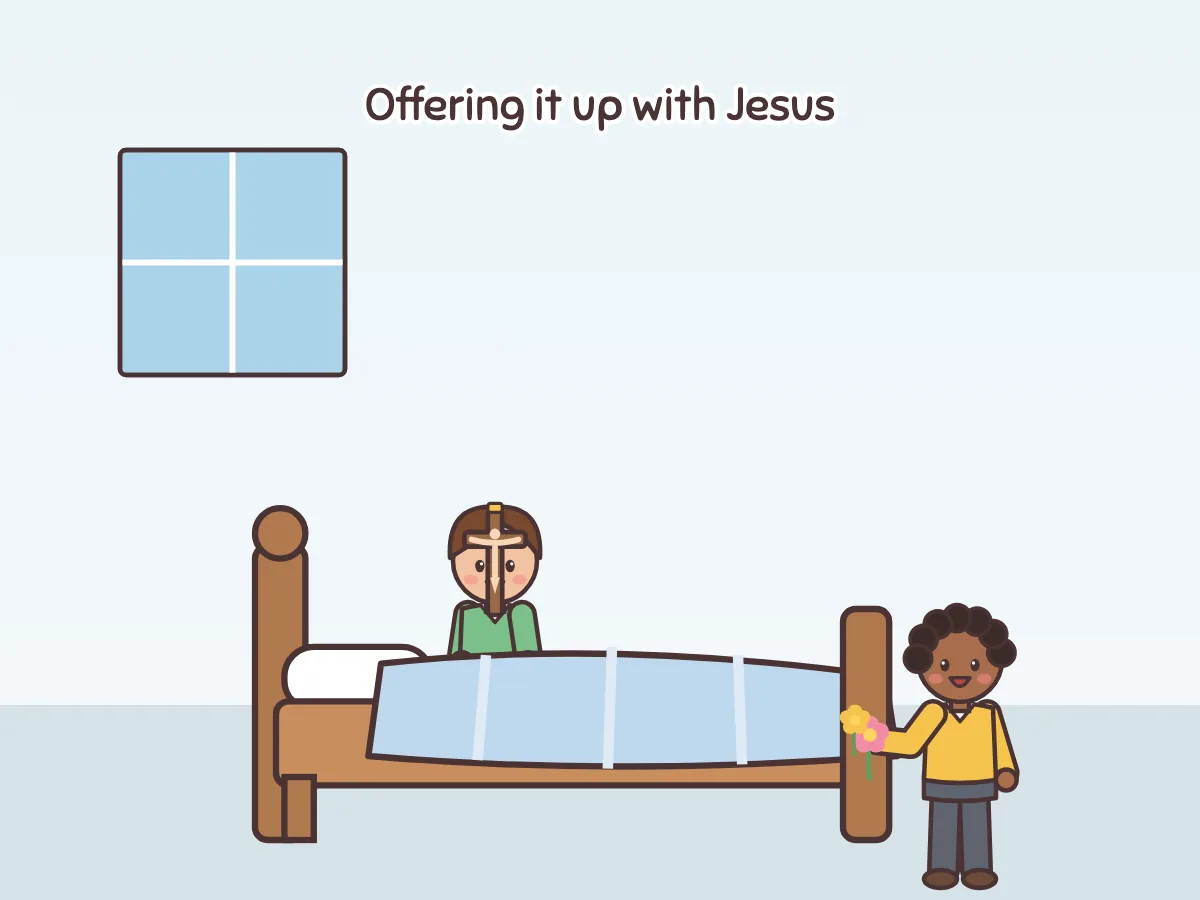
Jesus invites us to take up our cross and follow Him. When we suffer, we can unite our pain to His and offer it for others; this is what Catholics mean by “offering it up.” Suffering accepted with love becomes a share in Christ's saving work, as the saints discovered.