
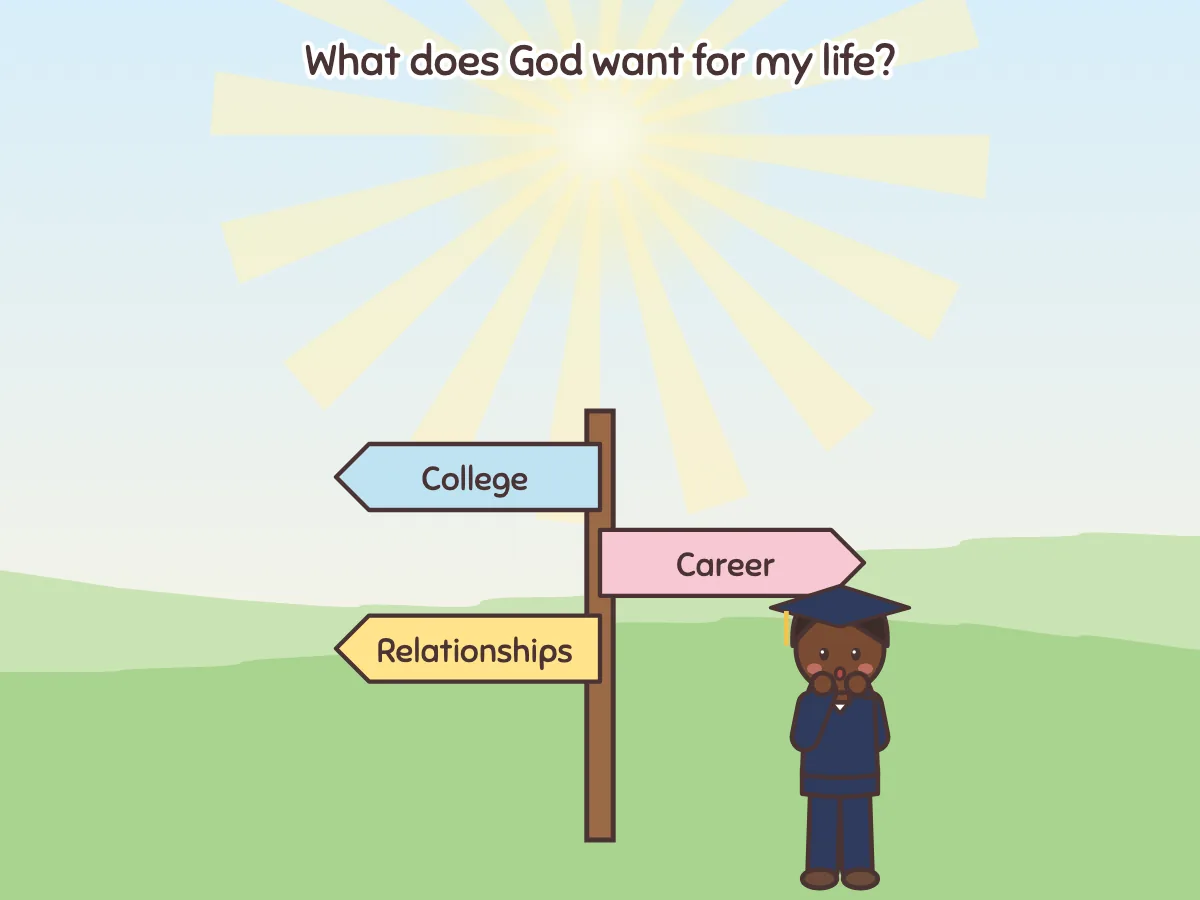
Before choosing a college, a career or a relationship, there is a deeper question: What does God want for my life? The first answer is the same for everyone: holiness. The Second Vatican Council taught the universal call to holiness: every Christian, in every state of life, is called to the fullness of love.
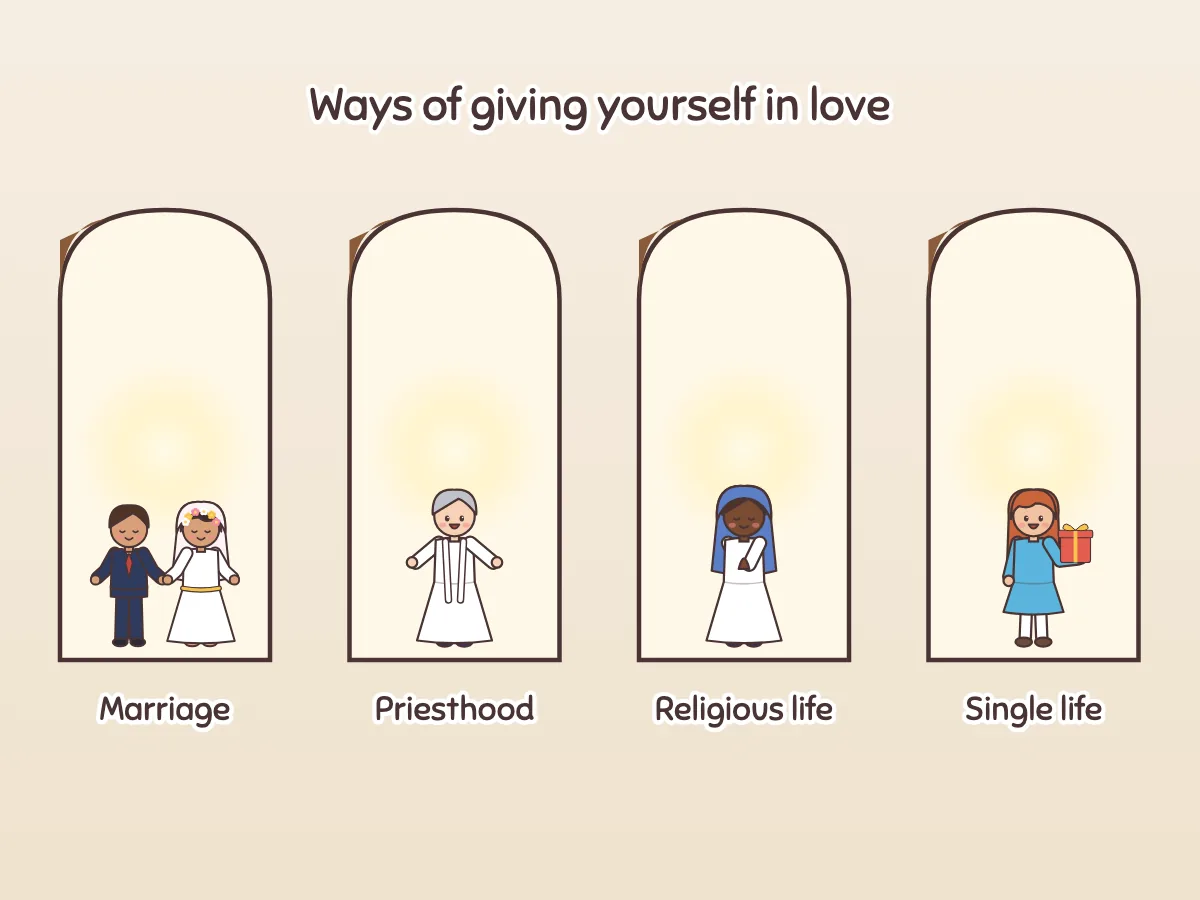
Within that call, God has a particular vocation for each person: marriage, priesthood, consecrated life, or a dedicated single life. Each is a way of giving yourself completely in love. Your career matters too, as a way to serve, but your vocation is first about whom you will love and how.
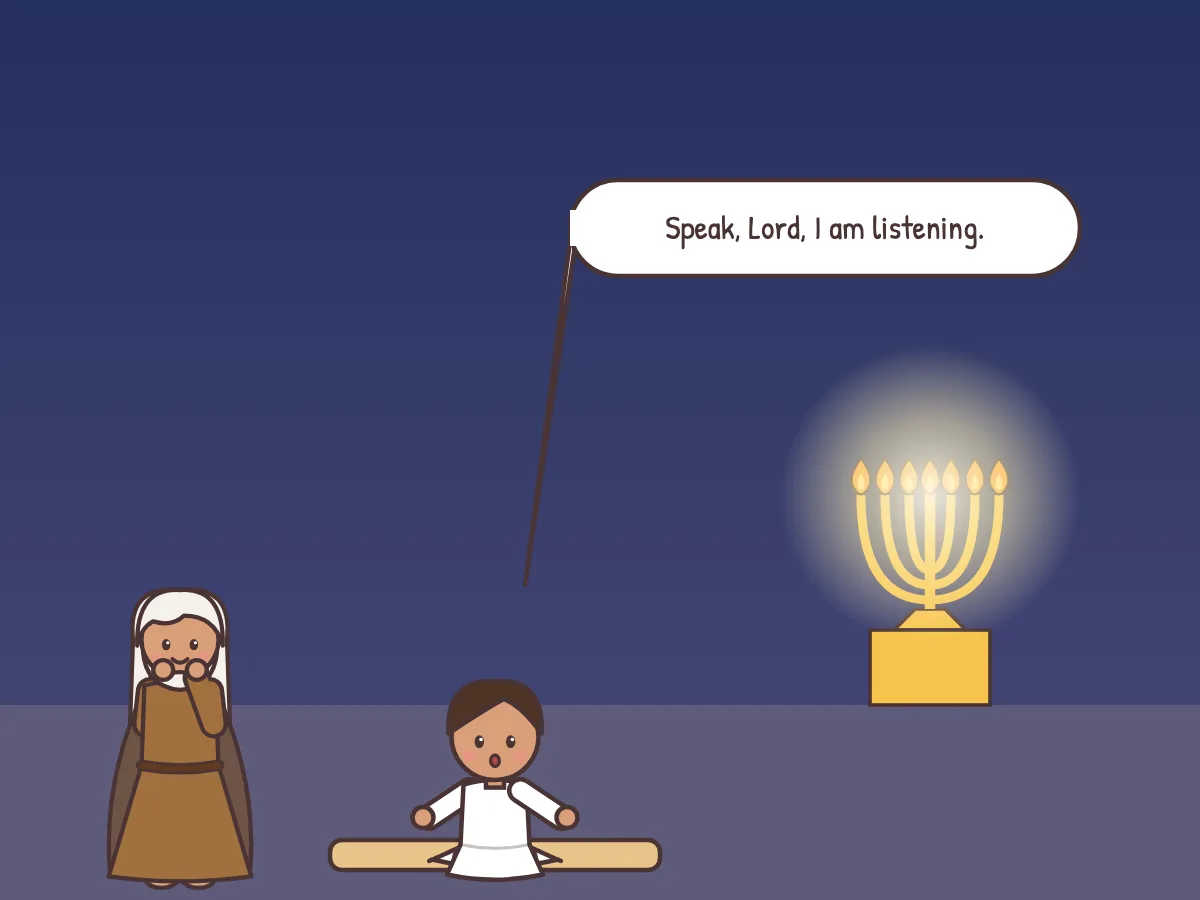
Young Samuel heard God calling in the night but did not recognize the voice. Eli the priest taught him to answer, “Speak, Lord, for your servant is listening.” Discernment begins with prayer and listening. God usually speaks quietly: through Scripture, through our desires and gifts, through other people and through circumstances.
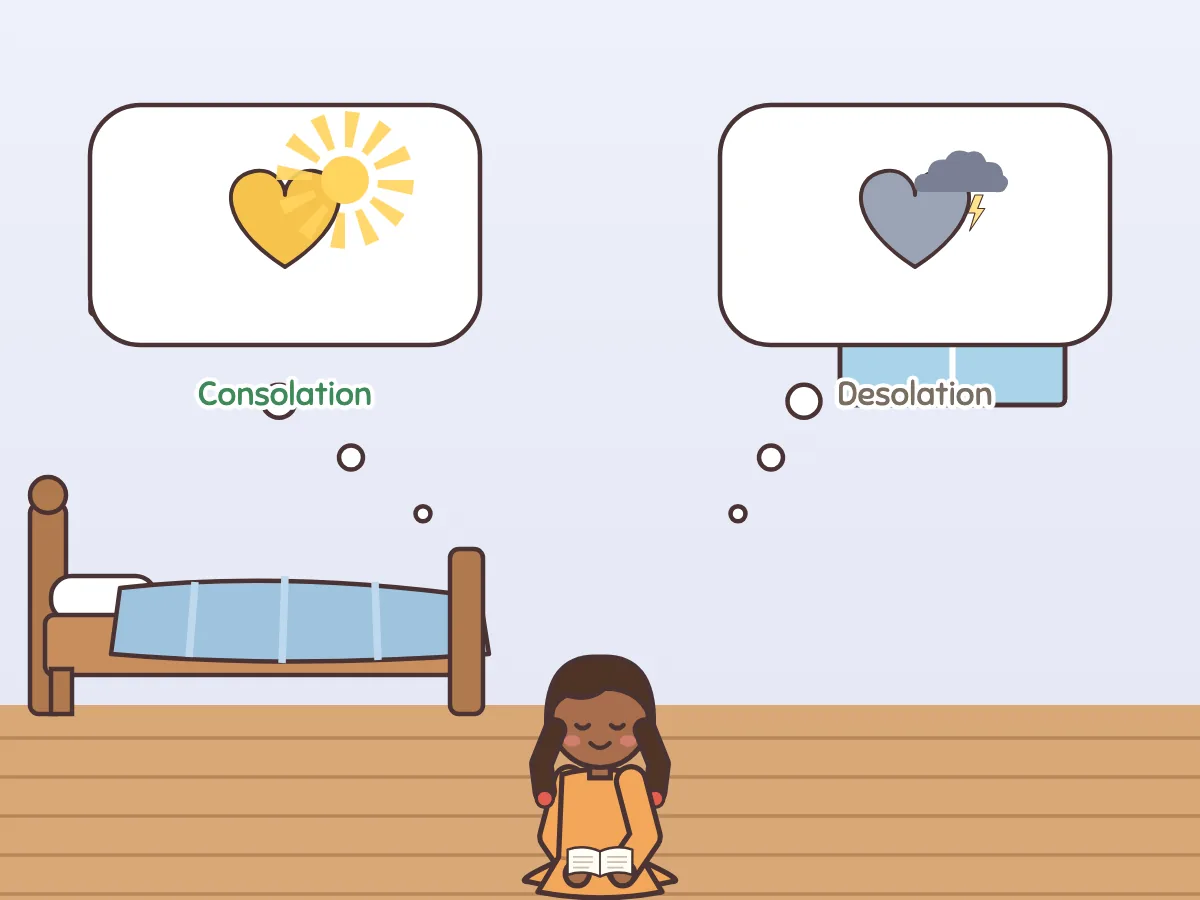
Saint Ignatius of Loyola noticed that God speaks through the movements of our hearts. Consolation is a sense of peace, joy and closeness to God that draws us toward Him; desolation is restlessness, darkness or discouragement. When weighing a decision, ask: Which choice brings lasting peace when I bring it to God in prayer? And never make a major decision in a time of desolation.
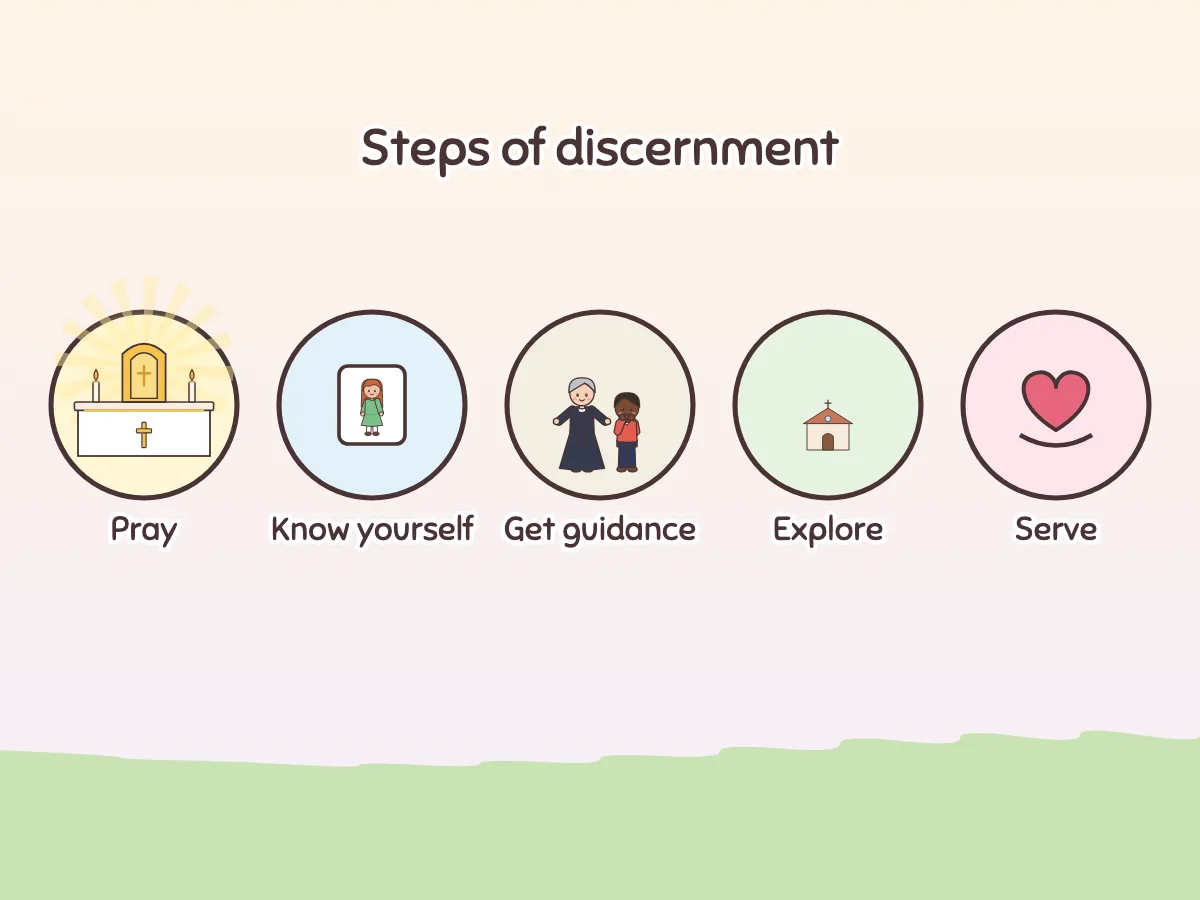
Practical steps for discernment:
- Pray every day, especially before the Blessed Sacrament.
- Get to know yourself: your gifts, desires and limits, and what gives you life.
- Talk with a spiritual director, a priest or a mature mentor.
- Learn about different vocations: visit a seminary or convent, and talk with married couples.
- Serve generously; God often shows us our calling while we are giving ourselves.

Many young people fear that God will ask for something that will make them unhappy. But God's call is always the path to our deepest joy. Pope Benedict XVI told young people that if we let Christ into our lives, we lose nothing and gain everything. Jesus says: “You did not choose me, but I chose you.”